
Plants
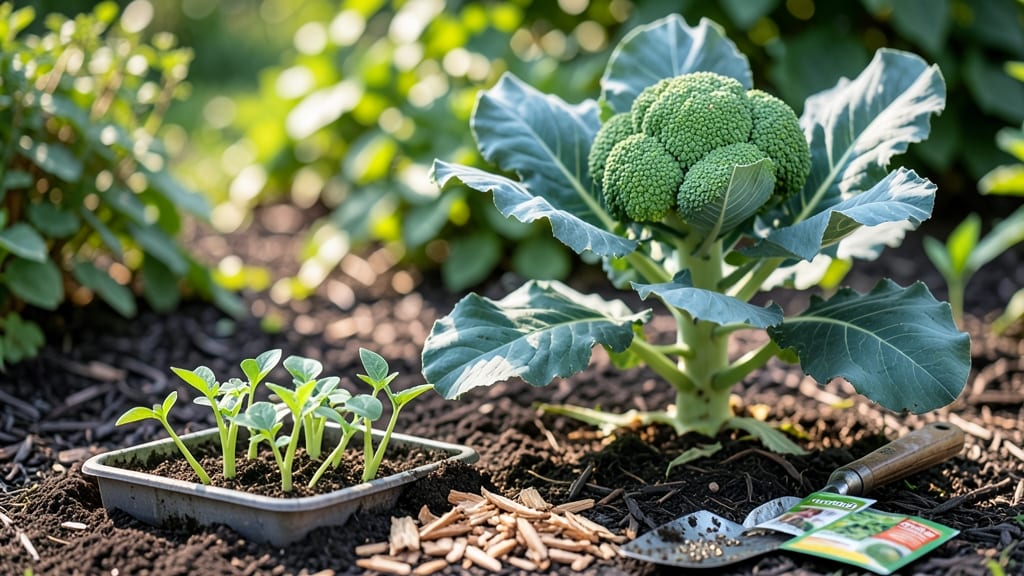
Timing your 🥦 broccoli planting in Kansas isn't just about the calendar—it's about beating frost, avoiding summer heat stress, and maximizing your harvest. Get it wrong, and you'll either lose seedlings to late freezes or watch your plants bolt into bitter flowers before you can enjoy a single head.
Most Kansas gardeners in zones 6a-6b (like central Kansas) have just a 6-week window between the last frost and when summer heat makes broccoli miserable. That means missing this window by even a few days could cost you your entire crop.
I've worked with Kansas State University Extension data to pinpoint the exact dates that give you the best shot at success—whether you're planting in spring for a summer harvest or in fall for a late-season bounty. Spoiler: It's not just about "March" or "September."
In this guide, I'll walk you through the precise planting deadlines for your zone, how to extend your growing season with simple tricks, and which broccoli varieties actually thrive in Kansas' unpredictable climate. Let's turn your garden into a zero-frost-risk zone.
Kansas broccoli planting deadlines by hardiness Zone (with frost risk charts)
Kansas spans USDA Hardiness Zones 5b to 7a, creating microclimates where last frost dates can vary by weeks. In Zone 6b (central Kansas), the average last frost date is April 15, but northern regions like Zone 5b (e.g., Hays) may see frost until May 1.
Southern areas like Zone 7a (e.g., Wichita) often warm up by March 20. Timing your broccoli planting 4-6 weeks before these dates ensures seedlings emerge safely.
For spring planting, aim for March 15 to April 30—this window balances soil warming (ideal at 45°F+) with frost risk. Fall planting should start August 1 and wrap up by September 15 to allow 60-80 days to maturity before first frost (typically October 15).
Missing these windows risks bolting (premature flowering) or frost damage.
🌱
Kansas City’s Zone 6b climate offers a 165-day frost-free window, perfect for two broccoli crops: spring and fall. Start seeds indoors 6-8 weeks before transplanting (e.g., February 1 for spring) to avoid seedling leginess.
Use row covers if planting near the last frost date—they raise soil temps by 5-8°F and protect young plants.
Soil temperature is critical: broccoli seeds won’t germinate below 45°F. Use a soil thermometer to confirm 50°F+ before planting.
In Zone 5b, wait until April 15 to ensure zero frost risk; in Zone 7a, you can plant as early as February 20 if using row covers.
For fall harvests, prioritize fast-maturing varieties (e.g., ‘De Cicco’, 60 days) to beat first frost. Plant August 1–15 for a October harvest before temps drop below 32°F. Late August plantings risk bolting if days lengthen too soon—monitor daylight hours closely.
Microclimates in Kansas add complexity: urban areas (e.g., Wichita) warm faster than rural farmland, while elevated gardens (e.g., hills) frost earlier. Test your spot by planting marigolds in late March—if they thrive, it’s safe for broccoli.
🌡️
Extend your season with succession planting: sow new seeds every 2 weeks from March
How to extend broccoli season in Kansas: succession planting & frost protection
Kansas’ short growing season means broccoli can bolt or freeze if planted at the wrong time. The key to a longer harvest is succession planting—staggering your plantings every 2-3 weeks from March to September.
This ensures fresh broccoli from June through November, even in cooler zones like Wichita (Zone 6b) or Topeka (Zone 6a).
For spring plantings, start seeds indoors 4-6 weeks before your last frost date (usually mid-March). Transplant seedlings outdoors 2-3 weeks before the last frost to avoid stunted growth. In fall, aim for late July to early August plantings so heads mature before first frost (mid-October).
🌱 Pro Tip: Use shade cloth (30-50%) during July-August to protect seedlings from intense Kansas heat, which can cause bolting. A simple row cover or lightweight fabric works perfectly.
📌 5 Steps to Extend Your Broccoli Season
- 1. Start Indoors Early: Sow seeds 4-6 weeks before last frost (mid-March) for spring harvests. Use grow lights if natural light is limited.
- 2. Succession Plant Every 3 Weeks: Set out new seedlings every 2-3 weeks from March to August for continuous harvests.
- 3. Use Frost Protection: Cover young plants with row covers or frost cloth when temps drop below 28°F to prevent damage.
- 4. Mulch Heavily: Apply 2-3 inches of straw or mulch to retain soil moisture and regulate temperatures in summer heat.
- 5. Harvest Early & Often: Pick outer leaves first to encourage side shoots, extending harvest by 2-4 weeks per plant.
If you’re in Zone 5a (northwest Kansas), opt for early-maturing varieties like ‘De Cicco’ (50 days) to avoid frost. For Zone 7a (southeast Kansas), you can push fall plantings into early September with cold frames or greenhouses to delay frost.
🌿 Warning: Avoid planting broccoli in late summer (August) if your area gets hotter than 85°F—this triggers bolting. Instead, choose heat-tolerant varieties like ‘Belstar’ or ‘Packman’ for late-season success.
For pest control, interplant broccoli with dill, mint, or onions—these deter cabbage moths and aphids, common Kansas pests. If you notice yellowing leaves, it’s often clubroot disease; improve drainage and avoid overwatering.