
Size
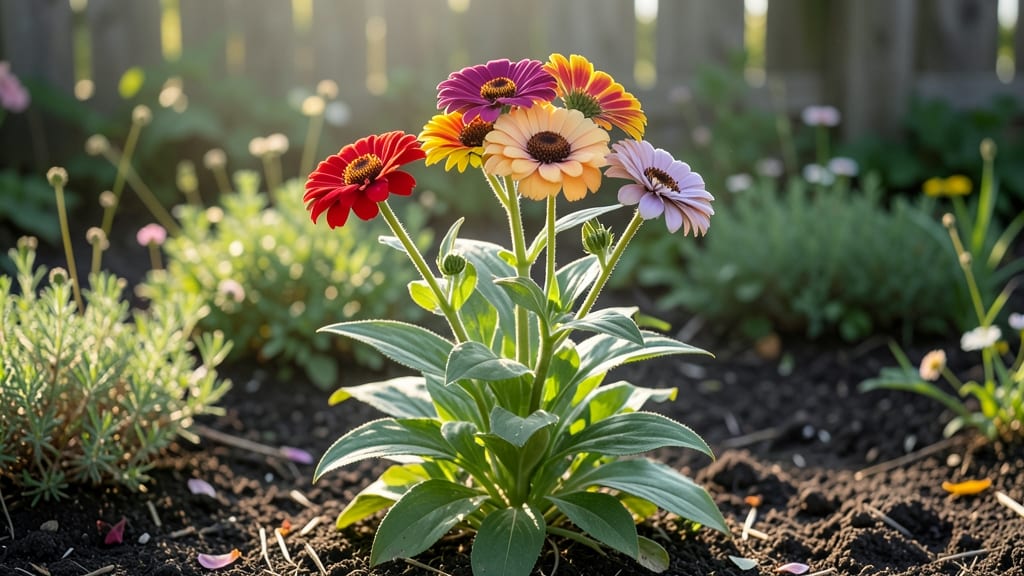
If you're wondering "how tall do zinnias grow", the answer might surprise you—these cheerful 🌸 blooms can range from tiny 6-inch munchkins to towering 4-foot giants, depending on the variety you choose.
Whether you're planning a cottage garden border or snipping stems for bouquets, knowing their mature height helps you avoid overcrowding or wasted space.
The key to getting the most out of your zinnias lies in selecting the right type for your garden's layout.
Dwarf varieties stay compact, making them perfect for container gardens or edging, while taller types reach for the sky—ideal for cut flowers or adding drama to the back of a bed. With 6a growing conditions, you'll have plenty of options to play with.
But here's the thing: even the tallest zinnias don't need much fuss to thrive. A little pruning can encourage bushier growth and prevent leggy stems from flopping over. I'll show you exactly how to keep your zinnias looking their best, no matter which height range you're working with.
Ready to transform your garden with these versatile blooms? Let's dive into the varieties, care tips, and everything else you need to know to get the perfect height for your space.


Zinnia height by variety: a complete growth chart for gardeners
Zinnias are one of the most versatile flowers in any garden, offering a stunning range of colors and heights. But if you're wondering how tall do zinnias grow, the answer depends entirely on the variety you choose.
Some stay compact enough for window boxes, while others reach towering heights perfect for cut flower arrangements. Knowing these differences helps you plan your garden layout and avoid overcrowding.
From dwarf zinnias that stay under a foot tall to tall varieties reaching 4 feet, each type has its ideal growing conditions and spacing needs.
I’ve grown zinnias for years, and I can tell you firsthand that selecting the right variety for your space makes a huge difference in blooms and maintenance. Let’s break down the height ranges and what you need to know for each category.
| Variety Type | Mature Height | Spacing Needs | Best For |
| Dwarf | 6–12 inches | 6–12 inches apart | Containers, borders, edging |
| Semi-Dwarf | 1–2 feet | 12–18 inches apart | Cut flowers, small gardens |
| Standard | 2–3 feet | 18–24 inches apart | Back of borders, cut arrangements |
| Tall | 3–4 feet | 24–36 inches apart | Cut flowers, tall garden backdrops |
For example, ‘Thumbelina’ zinnias are classic dwarf varieties that stay under 12 inches, making them perfect for window boxes or container gardens. On the other hand, ‘Benary’s Giant’ can reach up to 4 feet, giving you dramatic height for cut flower arrangements or as a striking backdrop in your garden.
If you’re growing zinnias for cut flowers, taller varieties like ‘State Fair’ or ‘Profusion’ will give you long stems for bouquets. But if you’re planting zinnias in a small space, like a patio or balcony, dwarf varieties like ‘Crystal’ or ‘Lilliput’ are ideal choices that won’t overwhelm your space.
Another factor to consider is sunlight needs. All zinnias thrive in full sun, but taller varieties may need extra support if they grow leggy. I’ve found that providing a cage or stake for taller zinnias helps keep them upright and prevents them from flopping over, especially in windy conditions.
Spacing is also critical. Overcrowding can lead to fewer blooms and increased risk of disease. For instance, tall zinnias need at least 24 inches between plants to allow air circulation and prevent competition for nutrients.
Meanwhile, dwarf varieties can be planted just 6 inches apart, making them great for filling in gaps in your garden beds.
When selecting zinnias, think about your garden’s layout and your goals. Are you aiming for a colorful border, a cut flower garden, or a container display? Knowing the mature height of each variety will help you create a cohesive and visually appealing garden design.
Finally, don’t forget that zinnias are annuals, so their height is determined in a single growing season. With the right care—including proper spacing, sunlight, and occasional pruning—you can enjoy their vibrant blooms from early summer until the first frost.
Ready to pick the perfect zinnias for your garden? Start by choosing the height that fits your space and style, and you’ll be rewarded with stunning blooms all season long! 🌸
How to control zinnia height: pruning tips for bushier blooms
If your zinnias are growing too tall or leggy, don’t worry—pruning can transform them into fuller, bushier plants with more blooms. The key is timing and technique. Start by pinching back young plants when they reach 6-8 inches tall to encourage branching. This simple step can double your flower production!
For established zinnias, focus on deadheading—removing spent blooms—every 2-3 days. This redirects energy from seed production to new flower growth. Use clean, sharp pruning shears to avoid damaging stems, and always cut just above a leaf node for best results.
🌱
Step-by-Step Pruning Guide
- Step 1: Pinch young plants at 6-8 inches to encourage branching.
- Step 2: Deadhead spent blooms daily to promote new flowers.
- Step 3: Trim leggy stems to half their height for bushier growth.
- Step 4: Support tall varieties with stakes or cages to prevent flopping.
- Step 5: Fertilize lightly after pruning to boost recovery.
Taller zinnia varieties like 'Benary’s Giant' or 'State Fair' can reach 4 feet tall but may need staking or cages to stay upright. Install supports early—once stems flop, they’re hard to revive. For compact varieties like 'Thumbelina', pruning is minimal, but deadheading keeps them tidy and encourages continuous blooms.
Pruning also extends your zinnias’ blooming season by up to 4-6 weeks. If you live in a hot climate, prune in early morning or late evening to avoid stressing the plant. Always use sterilized tools to prevent disease spread, and compost pruned stems to reduce waste.
Pro tip: If your zinnias develop long, bare stems, trim them back by one-third to stimulate new growth. This works especially well for late-season plants that start to look ragged. With the right pruning, your zinnias will stay compact, healthy, and blooming all season long!
✂️