
Size
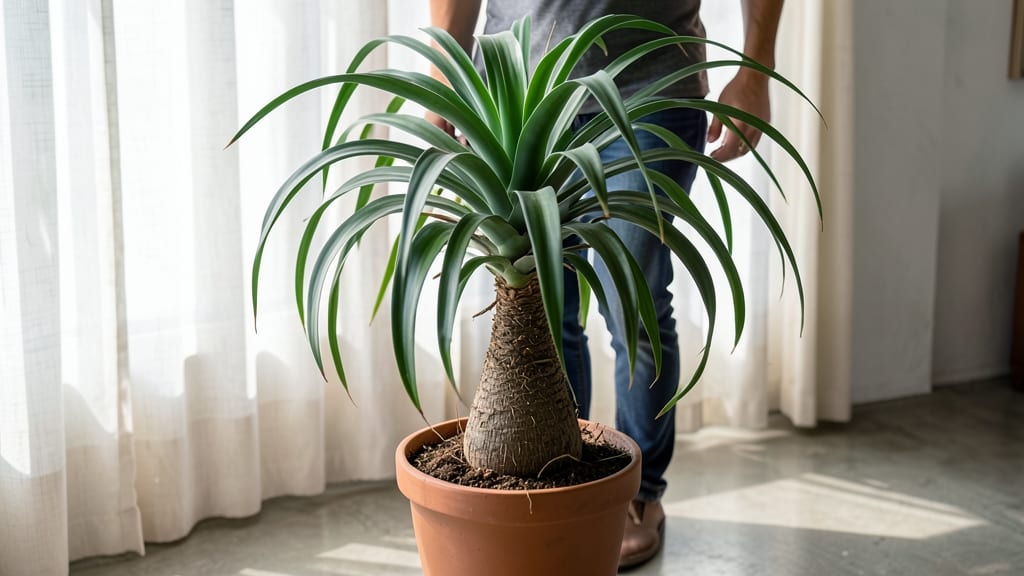
If you're wondering "how tall does ponytail palm grow", the answer might surprise you—this striking 🌵 plant can reach heights of 6 to 10 feet indoors or outdoors, depending on care and space.
What starts as a small, quirky houseplant can quickly become a towering centerpiece if left unmanaged, making size control a key factor for happy plant parents.
For those in USDA Zone 6 or beyond, outdoor ponytail palms thrive in spring planting windows (April-May) and can grow faster with plenty of sunlight. But indoors, their height depends on pot size, light exposure, and pruning habits—so don’t assume they’ll stay compact just because they’re potted.
The key to managing their growth lies in understanding their natural tendencies and making small adjustments.
Whether you’re dreaming of a 10-foot statement plant or prefer a more manageable 3-foot version, this guide will help you navigate the factors that influence height.
From sunlight needs to strategic pruning, we’ll cover everything you need to keep your ponytail palm at your ideal size—whether that’s floor-level drama or a convenient countertop companion.
Ready to learn how to shape your ponytail palm’s future? Let’s dive into the secrets of controlling its growth so you can enjoy its unique beauty without the space struggles.


Ponytail palm height guide: indoor vs outdoor growth differences
The ponytail palm (Beaucarnea recurvata) is a striking succulent that thrives both indoors and outdoors, but its maximum height varies dramatically depending on its environment. In outdoor gardens, this plant can reach an impressive 6–10 feet tall with a 3–5 foot spread, making it a bold focal point.
Indoors, however, it typically stays shorter—3–6 feet tall—unless given ideal conditions like bright light and spacious pots.
Your ponytail palm’s growth rate also depends on its age and care routine. Young plants grow slowly, adding just 6–12 inches per year in their first few years. By year three, they can surge to 2–3 feet tall if provided with full sun exposure and well-draining soil.
Without proper care, growth can stall, leaving you with a leggy, underwhelming plant.
Here’s the key difference: Outdoor ponytail palms grow taller and bushier due to unrestricted root space and natural sunlight. Indoors, their height is often limited by container size and artificial lighting, but with the right conditions, they can still become impressive statement plants.
| Factor | Indoor Growth | Outdoor Growth |
|---|---|---|
| Maximum Height | 3–6 feet | 6–10 feet |
| Growth Rate (Per Year) | 6–12 inches | 1–2 feet |
| Sunlight Needs | 4–6 hours (partial sun) | 6+ hours (full sun) |
| Pot Size Impact | Limits height (root-bound stress) | Encourages full growth |
| Water Needs | Every 3–4 weeks (deep soak) | Every 4–6 weeks (deep soak) |
One of the most critical factors in determining your ponytail palm’s height is its container size. If you keep it in a small pot, it will focus energy on storing water in its thick trunk rather than growing tall.
For indoor plants, choose a pot that’s at least 12 inches wide to encourage balanced growth. Outdoors, the plant’s roots can spread freely, allowing it to reach its full potential height.
Light exposure plays a huge role in height control. Ponytail palms grown in low-light conditions (like a north-facing window) will stretch toward light, becoming leggy and weak. To keep your plant compact, place it near a south-facing window or use a grow light for 6+ hours daily.
Outdoor plants, on the other hand, benefit from direct sunlight, which promotes thicker trunks and faster vertical growth.
Pruning is another tool to manage height, especially indoors. You can trim the top leaves to encourage bushier growth, but avoid cutting into the thick base—this is where the plant stores water.
Instead, focus on removing only the fronds at the top to slow height increase. Outdoors, pruning is less critical since the plant naturally grows taller and fuller.
If you’re worried about your ponytail palm becoming too tall for your space, consider these growth-limiting factors: smaller pots, less frequent watering, and pruning the top growth.
These adjustments can help keep your plant at a manageable 3–4 feet tall even indoors. Just remember, the thicker the trunk, the healthier—and more drought-resistant—the plant will be!
For those in USDA Zones 9–11, outdoor ponytail palms can thrive year-round, reaching their maximum height of 10 feet. In cooler climates (Zones 6–8), bring potted plants indoors before the first frost to preserve their size and prevent winter damage.
With the right care, your ponytail palm can be both a space-saving indoor plant and a dramatic outdoor specimen.
🌵
Ponytail palm height guide: indoor vs outdoor growth differences
The ponytail palm (Beaucarnea recurvata) is a slow-growing succulent that can reach dramatically different heights indoors versus outdoors. In ideal outdoor conditions, it typically grows 6–10 feet tall, while indoor specimens usually max out around 3–6 feet due to limited space and lighting.
Understanding these differences helps you plan for its growth and choose the right environment.
Outdoor ponytail palms thrive in USDA Zones 9–11 and can grow taller with ample sunlight, space, and proper soil drainage. Indoors, their growth is constrained by pot size, light exposure, and humidity levels. The key difference lies in how these factors interact with the plant’s natural growth habits.
| Factor | Indoor Growth | Outdoor Growth |
|---|---|---|
| Max Height | 3–6 feet | 6–10 feet |
| Growth Rate | Slow (6–12 inches/year) | Moderate (1–2 feet/year) |
| Light Needs | Bright indirect light (south window) | Full sun (6+ hours daily) |
| Pot Size Impact | Root-bound = stunted growth | Unrestricted root spread = taller growth |
| Water Needs | Every 3–4 weeks (drought-tolerant) | Every 4–6 weeks (deep watering) |
Outdoor ponytail palms grow taller because they receive more direct sunlight and have unrestricted root space. In containers, their growth slows significantly, but you can still achieve a 6-foot indoor specimen with proper care. The plant’s thick, water-storing trunk expands as it matures, which directly affects its height potential.
For indoor cultivation, place your ponytail palm near a south-facing window to maximize light exposure. If natural light is insufficient, supplement with a grow light for 6–8 hours daily. This mimics outdoor conditions and encourages healthier, slower growth rather than the rapid stretching seen in low-light environments.
Outdoors, these plants develop a wider, more robust trunk due to better airflow and nutrient access. They also benefit from well-draining soil mixed with sand or gravel, which prevents root rot and supports taller growth.
If you’re growing yours outdoors, ensure it’s planted in well-amended soil with full sun exposure.
Regardless of where you grow your ponytail palm, pruning and repotting play crucial roles in managing its height. Regular maintenance keeps it healthy and within your desired size limits. For example, trimming the top leaves encourages bushier growth, while repotting every 2–3 years prevents root-bound stress that stunts height.