
Plants
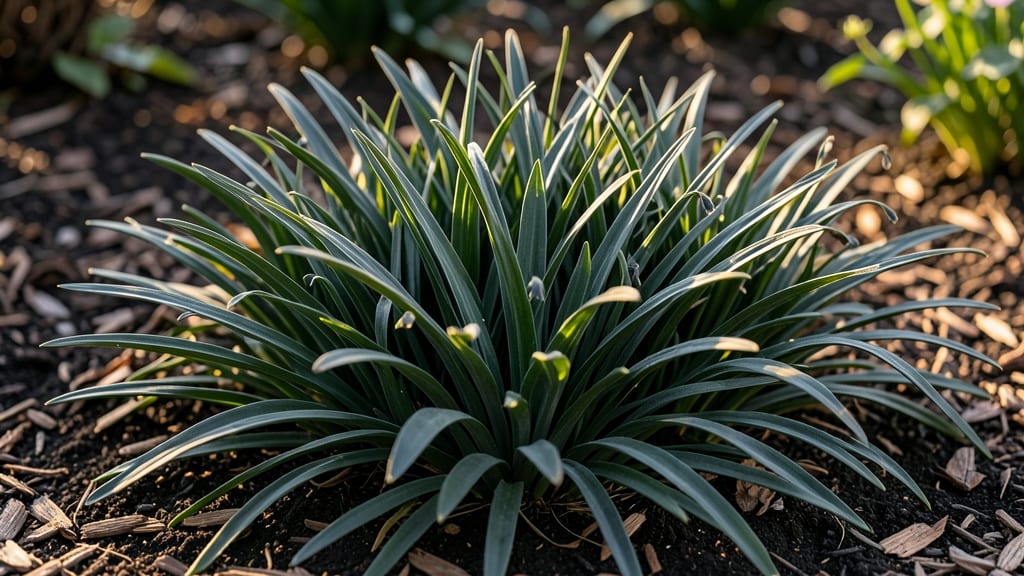
If you're wondering how tall does dwarf mondo grass grow, the answer is simpler than you might think—this low-growing beauty stays between 3 and 6 inches tall, making it perfect for tight spaces or shady corners where taller plants can't thrive.
Unlike its taller cousins, dwarf mondo grass (Ophiopogon japonicus 'Nana') spreads horizontally instead of shooting up, creating a dense, carpet-like ground cover that’s ideal for borders, slopes, or under trees.
Whether you're designing a Zen garden or filling gaps in a rockery, its compact height means no surprises—just reliable, lush coverage.
But here’s the thing: its height isn’t set in stone. Factors like sunlight, soil drainage, and even your climate zone (like USDA Zone 6a) can nudge it toward the higher or lower end of that range.
Too much shade? It might stay on the shorter side. Too much water? You could see a little extra spread—but never towering growth.
Ready to transform your shady spots? I’ll walk you through everything you need to know to keep your dwarf mondo grass exactly where you want it—no overgrowth, no guesswork. Let’s dive in.


Dwarf mondo grass height range: what to expect in different growing conditions
Dwarf mondo grass (Ophiopogon japonicus 'Nana') is a compact, shade-loving ground cover that typically matures between 3 to 6 inches tall—making it perfect for tight spaces, borders, or under trees. Unlike its taller cousins, this variety stays low and dense, spreading horizontally instead of shooting upward.
Most gardeners see their dwarf mondo grass reach its full mature height within 1 to 2 years after planting, though growth slows significantly after the first year. The 3-inch mark is common in cooler climates (USDA zones 7–8), while 5–6 inches may occur in warmer zones (9–10) with ideal conditions.
Here’s how sunlight, soil, and climate influence its height—critical factors that can push it toward the higher or lower end of the range:
| Factor | Effect on Height | Notes |
|---|---|---|
| Sunlight | 3–4" (partial shade) vs. 4–6" (full shade) | Too much sun = leggy growth; too little = slower spread. |
| Soil Drainage | 3–5" (well-drained) vs. 2–3" (poor drainage) | Waterlogged soil stunts growth; sandy soil encourages taller blades. |
| Climate (USDA Zones) | 3–4" (Zones 7–8) vs. 5–6" (Zones 9–10) | Warmer zones = faster growth; cooler zones = slower but denser. |
| Fertilization | 4–5" (fertilized) vs. 2–3" (none) | Over-fertilizing = taller but less dense; balance is key. |
For example, in Pacific Northwest gardens (Zone 8), dwarf mondo grass often stays 3–4 inches tall due to cooler summers and consistent rainfall. In contrast, Florida’s humid climate (Zone 10) can push it closer to 5–6 inches if given rich, moist soil.
Always amend heavy clay soil with compost to prevent stunted growth.
One common misconception is that dwarf mondo grass will "fill in" quickly like other ground covers. In reality, its horizontal spread (12–18 inches per year) often outpaces vertical growth.
This makes it ideal for suppressing weeds while keeping a neat, low-profile look—perfect for rock gardens, pathways, or as an edging plant.
If you’re planting near sidewalks or patios, aim for the lower end of the height range (3–4 inches) by providing partial shade and well-draining soil. For shady woodland gardens, the 5–6 inch range is more typical, especially if the area stays moist year-round.
Pro tip: Measure your space before planting. A 6-inch height might seem small, but dwarf mondo grass forms a dense mat, so account for its 12–18 inch spread annually. Use landscape fabric under new plantings to control early spread if needed.
🌿
Dwarf mondo grass height range: what to expect in different growing conditions
Dwarf mondo grass (Ophiopogon japonicus 'Nana') typically reaches a mature height of 3 to 6 inches, making it one of the shortest ornamental grasses available. This compact size is what makes it so popular for shady gardens, borders, and slopes where taller plants would overpower the space.
Unlike its standard counterpart, dwarf mondo stays low to the ground, forming dense, carpet-like mats instead of vertical clumps.
Under ideal conditions—partial to full shade, well-draining soil, and consistent moisture—you can expect your dwarf mondo to hit its full height within 1 to 2 years.
In cooler climates like USDA zones 7–9, growth may be slightly slower, while in warmer zones (10+), it can spread more aggressively if not managed. The key to maintaining its signature 3–6 inch height lies in understanding how your local climate and care habits influence its growth.
🌱 Dwarf Mondo Grass Growth Summary
| Growth Stage | Height Range | Time to Reach |
|---|---|---|
| Year 1 | 3–4 inches | Spring–Fall |
| Year 2+ | 4–6 inches | Mature (1–2 years) |
| Spread | 12–18 inches wide | Aggressive in ideal conditions |
| Climate Impact | Cooler zones: slower growth | Warmer zones: faster spread |
Sunlight plays a critical role in dwarf mondo’s height. While it thrives in shade, too little light can stunt its growth, keeping it under 3 inches tall. Conversely, bright indirect light (like morning sun) encourages it to reach the upper end of the 6-inch range.
If planted in full sun, especially in hot climates, the grass may struggle, turning brown and growing unevenly. Always prioritize dappled shade for consistent, lush growth.
Soil drainage is another make-or-break factor for maintaining dwarf mondo’s ideal height. Poor drainage leads to root rot, which can cause the grass to stay shorter than expected or develop yellow patches.
Amend heavy clay soil with compost or sand to ensure water flows freely. In containers, use a well-draining potting mix with perlite to prevent waterlogging, which can also stunt growth.
One common misconception is that dwarf mondo grass will stay perpetually small without intervention. In reality, it spreads aggressively via underground rhizomes, which can make it appear taller if left unchecked. To keep it at 3–6 inches, divide clumps every 2–3 years or trim back overgrowth in early spring.
This not only controls height but also rejuvenates the plant for denser, healthier growth.
For gardeners in USDA zones 7–10, dwarf mondo is a year-round performer, though growth slows in winter. In colder zones (6), it may go dormant but will bounce back in spring. To encourage optimal height and spread, fertilize lightly in early spring with a balanced 10-10-10 formula.
Avoid heavy feeding, as this can lead to taller, leggier growth that loses its compact charm.
If you’re planning a ground cover project, aim to plant dwarf mondo grass 12–18 inches apart to allow room for its natural spread. Over time, it will fill in gaps seamlessly, creating a lush, weed-suppressing carpet—all while staying neatly within its 3–6 inch height range.
For slopes or erosion-prone areas, its low profile makes it an excellent choice for stabilization without overwhelming the landscape.