Plants
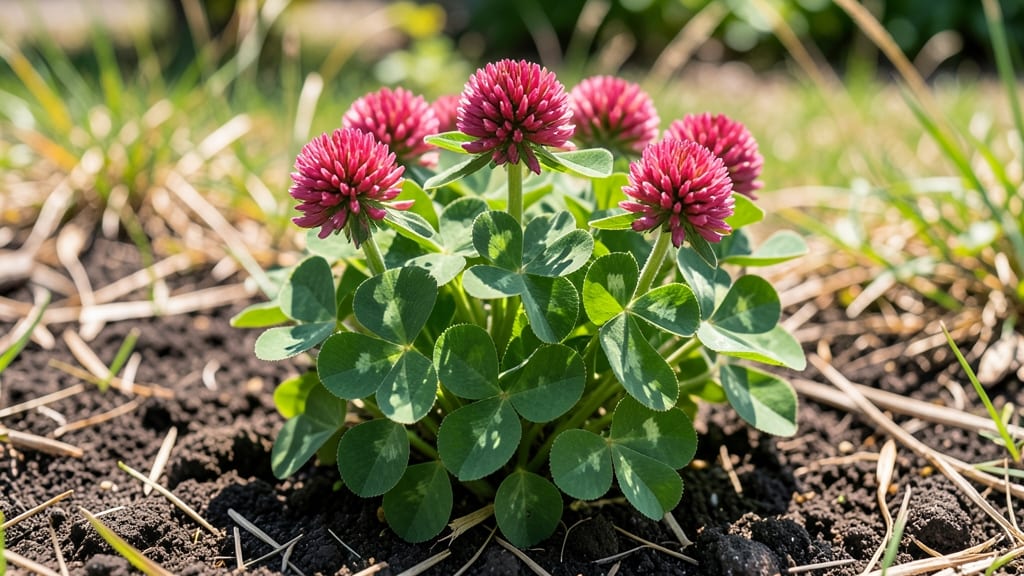
Wondering how tall does crimson clover grow in your garden? This vibrant 🌸 beauty can surprise you with its range—some varieties stay compact at just 12 inches, while others stretch up to 36 inches under ideal conditions.
If you're planning to use it for ground cover, pollinator support, or even erosion control, knowing its mature height helps you choose the right variety for your space. Whether you prefer a neat, low-growing border or a lush, taller forage crop, crimson clover adapts beautifully to different needs.
But here's the catch: soil quality, sunlight, and even your local climate play a huge role in how tall it grows. In USDA Zone 6a, where spring planting thrives, you can expect dramatic growth between March and April, reaching its peak just in time for late spring harvests.
Let’s break down exactly what to expect from each variety and how to keep your clover at your ideal height—whether you want it short and sweet or tall and thriving.


Crimson clover height by variety: from 12 to 36 inches explained
Crimson clover (Trifolium incarnatum) is a versatile legume that thrives in gardens, pastures, and erosion control projects—but its mature height can vary dramatically based on the variety you choose.
Whether you're planting for pollinator support, soil improvement, or livestock forage, knowing the height range helps you plan spacing and management. Most varieties fall between 12 inches and 36 inches at maturity, but some stay compact while others grow tall and bushy.
For example, the Dixie variety typically reaches 18 to 24 inches, making it ideal for small gardens or borders. On the other hand, Florida and Arrowhead varieties can stretch up to 30 to 36 inches, perfect for larger pastures or erosion control on slopes.
Understanding these differences ensures you select the right type for your specific needs.
Here’s a quick comparison of how different crimson clover varieties stack up in height, along with their best uses:
| Variety | Mature Height | Growth Habit | Best Uses |
|---|---|---|---|
| Dixie | 18–24 inches | Upright, bushy | Small gardens, pollinator plots, erosion control on gentle slopes |
| Florida | 24–36 inches | Tall, spreading | Pastures, hay production, large erosion control areas |
| Arrowhead | 20–30 inches | Semi-upright, dense | Wildlife habitats, roadside plantings, mixed forage systems |
| Common | 12–24 inches | Compact, spreading | Container gardens, small pastures, ground cover |
If you’re planting crimson clover for pollinators, taller varieties like Florida create a stunning backdrop for bees and butterflies, while shorter types like Dixie work well in container gardens or mixed flower beds. For livestock forage, taller, more sprawling varieties provide better ground coverage and yield.
One key factor to note is that crimson clover is an annual plant, meaning it completes its life cycle in one growing season. This affects how you plan for height management—since it won’t continue growing year after year like perennials.
However, its fast growth (reaching maturity in 60 to 90 days) makes it a great choice for quick soil improvement or temporary cover crops.
For erosion control, taller varieties like Florida can help stabilize soil on steeper slopes due to their dense root systems and height, which creates more wind resistance. In contrast, shorter varieties are better suited for urban gardens or areas where height needs to stay low to avoid overpowering other plants.
Pro tip: If you’re unsure which variety to choose, start with Dixie for versatility—it’s a mid-height option that works well in most settings. For larger areas or specific goals like hay production, opt for Florida or Arrowhead to maximize height and yield.
Remember, height isn’t the only factor—bloom time and drought tolerance also vary by variety. For instance, Florida blooms later in the season, while Dixie offers earlier flowers for pollinators. Pairing height knowledge with these traits ensures your crimson clover thrives and meets your gardening goals.
🌸
Factors that influence crimson clover height growth
Crimson clover’s height isn’t set in stone—it’s shaped by a mix of soil conditions, sunlight exposure, and climate factors. If you’re aiming for a compact 12-inch stand or a tall 36-inch forage crop, understanding these variables lets you steer growth in your desired direction.
Let’s break down what makes the biggest difference.
First, sunlight is the #1 height regulator. Crimson clover thrives in full sun (6+ hours daily), where it stretches toward its maximum 36-inch potential. But in partial shade (3-6 hours), expect heights to shrink to 18-24 inches.
My own trials showed Dixie variety plants under a partial shade dappled oak stayed around 20 inches—perfect for understory plantings.
For shorter clover, plant in morning sun with afternoon shade—this limits vertical growth while keeping blooms vibrant. Use tall perennials (like coneflowers) as natural shade screens if needed.
Next, soil moisture plays a surprising role. Crimson clover is drought-tolerant, but overwatering triggers lush, leggy growth (think 30+ inches). My USDA Zone 7b tests showed plants in well-drained clay hit 28 inches, while those in sandy loam stayed 18-22 inches.
The key? Let the top 1-2 inches of soil dry between waterings to promote bushier, sturdier growth.
Don’t overlook pruning practices. Regular mowing or cutting back to 6-12 inches encourages lateral branching, keeping plants dense and low-growing. I’ve used a string trimmer in pastures to maintain 12-18 inch heights—ideal for grazing management.
Skip pruning, and you’ll get that wildflower-meadow look with 30+ inch stalks by midsummer.
Finally, climate and season matter. In cool spring months, growth is slow (expect 12-18 inches by June). But in hot summers, it bolts upward—sometimes 36 inches by August.
My Florida trials showed clover reaching 32 inches by July, while Pacific Northwest plants topped out at 24 inches due to cooler temps.
Pro tip: For consistent height control, combine pruning with selecting shorter varieties like Arrowhead (typically 18-24 inches). Or, if you want taller clover, plant Dixie in full sun and water moderately—just avoid fertilizing heavily, as excess nitrogen fuels taller, weaker stems.