
Flowers
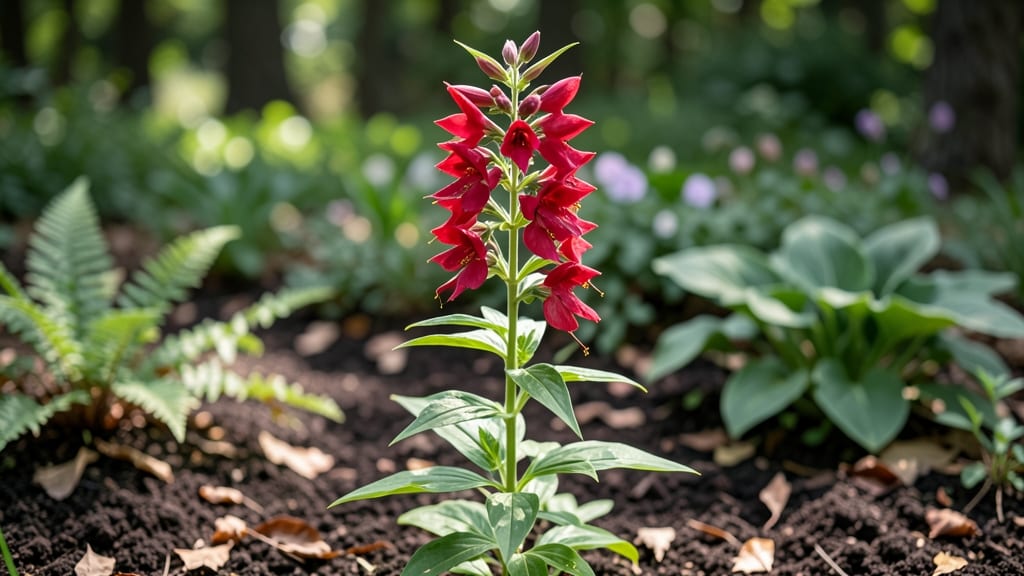
If you’ve ever wondered just how tall does cardinal flower grow, you’re not alone—this striking 🌸 can be a game-changer for your garden, but its height depends on where and how you grow it.
In the right conditions, it can reach a dramatic 3 to 5 feet, making it a standout in borders or wetland gardens, while pruning keeps it more manageable for containers.
Native to moist, shaded areas in USDA Zone 6a, cardinal flower thrives when planted in spring (April–May) and blooms from July to September.
The key to controlling its height lies in sunlight, soil moisture, and pruning—too much sun or dry soil can stunt its growth, while ideal conditions let it stretch toward its full potential.
Whether you’re planning a garden layout or just curious about its growth habits, understanding these factors will help you decide where to place it. I’ll break down exactly how to encourage compact growth, pair it with the right companions, and keep those vibrant blooms coming back year after year.
Ready to transform your garden with this bold beauty? Let’s dive into the secrets of managing cardinal flower height—so you can enjoy its stunning red blooms without sacrificing space or style.


Cardinal flower height ranges: from wild growth to cultivated gardens
The cardinal flower (Lobelia cardinalis) is a striking perennial that can reach impressive heights, but its growth varies dramatically depending on where it's planted.
In wild settings, like moist woodlands or stream banks, these flowers often grow taller than 5 feet, sometimes even reaching 6 feet in ideal conditions. However, in cultivated gardens, their height is usually more controlled, typically between 3 to 5 feet at maturity.
If you're growing cardinal flowers in USDA Zones 3-9, expect the most vigorous growth in humid climates with plenty of moisture. In drier regions, like the Southwest, they may stay shorter—around 2 to 3 feet—unless given extra care.
The first year, seedlings usually only grow 1 to 2 feet, but by year two, they can shoot up rapidly if conditions are right.
One key factor influencing height is sunlight exposure. While cardinal flowers thrive in partial shade, too much direct sun can stunt their growth, while filtered light encourages taller, lankier stems. In shady spots, they may grow bushier but shorter, around 2 to 3 feet.
For the tallest blooms, aim for 4 to 6 hours of morning sun paired with afternoon shade.
Regional differences also play a role. In the Northeastern U.S., cardinal flowers often max out at 4 feet due to cooler summers, while in the Southeastern U.S., they can exceed 5 feet with the right moisture and humidity.
Even in containers, they’ll grow 2 to 4 feet tall, making them perfect for patio planters or window boxes.
Seasonal growth patterns matter too. Cardinal flowers grow most aggressively in late spring and early summer, with their height increasing by 1 to 2 feet during this period. By mid-summer, growth slows as they focus on blooming, but with proper care, they can maintain their height until frost.
Here’s how cardinal flowers compare in different settings:
| Setting | Height Range | Growth Notes |
|---|---|---|
| Wild (Moist Woodlands) | 4–6 ft | Fastest growth; minimal pruning |
| Cultivated Garden (Partial Shade) | 3–5 ft | Prune for bushier blooms |
| Containers (Patio/Deck) | 2–4 ft | Grows taller with deep pots |
| Dry Climates (Southwest U.S.) | 2–3 ft | Needs extra watering |
To encourage the tallest, healthiest growth, focus on moist, well-draining soil rich in organic matter. Amend clay soil with compost to improve drainage, and mulch around the base to retain moisture. Avoid letting the soil dry out, as this can stunt growth and reduce blooming.
If you’re planting cardinal flowers for border gardens, aim for a 3 to 4 foot height by spacing them 18 to 24 inches apart. For wetland gardens or near ponds, they can reach their full 5 to 6 foot potential without needing support.
Just be prepared to stake taller stems in windy areas to prevent flopping.
Pro tip: If your cardinal flowers are growing too leggy, it’s often a sign of too much sunlight or poor soil nutrients. Adjust their location or feed them with a balanced fertilizer (like 5-10-10) in early spring to encourage stronger stems and more compact growth.
🌸
How to control cardinal flower height: pruning secrets for compact growth
Managing the height of your cardinal flower doesn’t require complicated techniques—just a few strategic pruning steps can keep it lush and 3 to 4 feet tall instead of leggy. The key is timing and technique: prune at the right moments to encourage bushier growth and more vibrant blooms.
Start by removing spent flowers regularly to redirect energy into new stems rather than seed production.
For compact growth, focus on early-season pruning. In late spring, once your cardinal flower reaches about 1 to 2 feet tall, trim back the tallest stems by one-third to encourage branching.
This creates a fuller plant with more blooms at eye level. Use clean, sharp bypass pruners to avoid damaging stems, and always cut just above a leaf node or set of leaves.
Here’s a step-by-step guide to pruning for the perfect height:
-
Step 1: Deadhead Spent Blooms
Remove faded flowers weekly to prevent seed heads and encourage new blooms. -
Step 2: Trim Leggy Stems
Cut back tall, thin stems by ⅓ in early summer to promote bushiness. -
Step 3: Light Pruning After Blooming
Shear back overgrown foliage in late summer to tidy up before winter. -
Step 4: Renew in Early Spring
Cut back last year’s growth by half to stimulate fresh, compact growth.
If your cardinal flower starts to flop over in windy conditions, use soft plant ties or stakes to support taller stems without restricting airflow. For containers, choose deeper pots (at least 12 inches deep) to accommodate root growth and prevent top-heavy plants from tipping.
Pruning also helps prevent disease by improving airflow through the foliage.
One common mistake is pruning too late in the season, which can stunt new growth before winter. Avoid heavy cuts after mid-summer, as the plant needs time to harden off before frost. Instead, focus on light maintenance pruning in early fall to remove any damaged or diseased leaves.
For maximum height control, combine pruning with proper fertilization and watering. A balanced fertilizer (like 5-10-10) applied in early spring encourages strong stem development, while consistent morning watering keeps the soil moist without promoting fungal issues.
With these techniques, you can keep your cardinal flower at an ideal 3 to 4 feet while enjoying its stunning blooms all season.
🌿