
How To
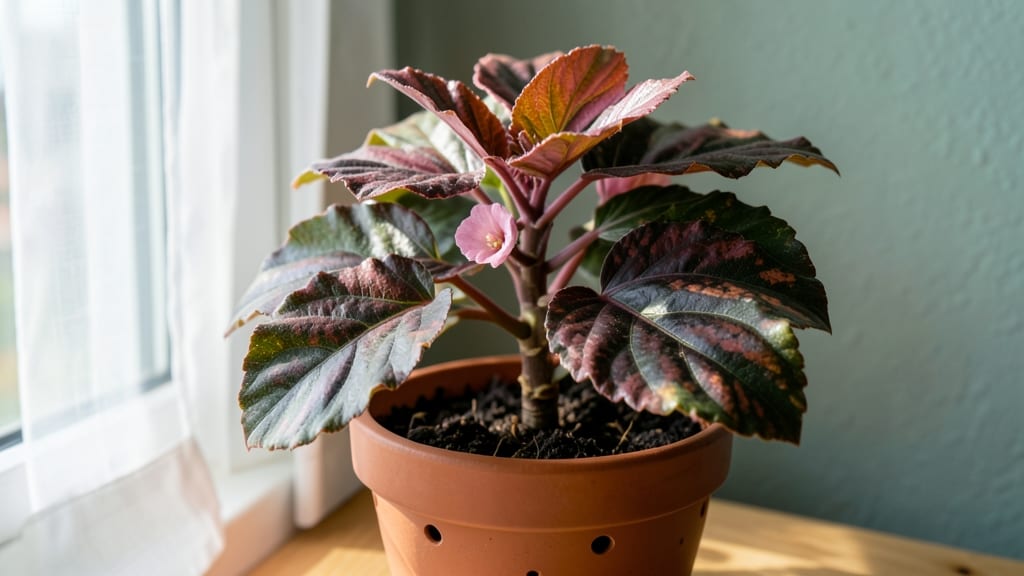
If you’ve ever wondered how tall does a begonia grow and whether your 🌸 begonia will stay compact enough for a desk or stretch toward the ceiling, the answer depends more on the variety than you might think.
Some stay as small as 6 inches, while others can reach 2 feet or more—making them perfect for everything from windowsills to vertical gardens.
Begonias aren’t one-size-fits-all, and their height can vary dramatically based on whether you’re growing a trailing type, a bushy rex, or a towering cane variety. The key to controlling their growth lies in understanding their natural tendencies and how your care habits—like pruning and light exposure—play a role.
Whether you’re dreaming of a miniature plant for your office or a bold statement piece for your living room, knowing how tall your begonia will grow helps you plan the perfect spot.
Let’s break down the different types, their typical heights, and the simple tricks to keep them at your ideal size.
From dwarf varieties that barely peek over a 12-inch mark to varieties that can top 3 feet, begonias offer something for every space. Ready to find the perfect fit for your home? Let’s dive into the details.


Begonia height variations: from dwarf to towering types
Begonias are one of the most diverse plant families, with heights ranging from 6 inches to over 6 feet tall. The key to predicting your begonia's growth lies in its variety and growth habit.
Some stay compact enough for desk gardens, while others need vertical space or garden beds. Let’s break down the most popular types and their mature sizes so you can choose the perfect fit for your space.
First, understand that begonias fall into three main growth categories: compact types (under 12 inches), medium-height varieties (12–24 inches), and tall, structural growers (24+ inches). The Rex begonia, for example, rarely exceeds 12 inches, while angel wing begonias can stretch to 3 feet with proper care.
Knowing these ranges helps you plan your garden layout or container choices.
Here’s where things get exciting: some begonias grow trailing or cascading, adding spillover height of 2–3 feet even if their upright stems are shorter. Others, like tuberous begonias, focus on leafy mounds rather than vertical growth, staying between 10–18 inches tall.
Whether you want a windowsill showstopper or a tropical corner centerpiece, the right variety makes all the difference.
🌱
| Variety | Growth Habit | Mature Height | Best For |
|---|---|---|---|
| Rex Begonia | Compact, bushy | 6–12 inches | Desk gardens, shelves |
| Wax Begonia | Upright, clustered | 12–18 inches | Hanging baskets, window boxes |
| Angel Wing Begonia | Tall, architectural | 24–36 inches | Vertical gardens, tropical corners |
| Cane Begonia | Tall, woody stems | 3–6 feet | Outdoor beds, large containers |
| Trailing Begonia | Cascading, sprawling | 12–24 inches (spread) | Hanging planters, shelves |
| Tuberous Begonia | Mounding, bushy | 10–18 inches | Garden beds, containers |
The Rex begonia is a favorite for small spaces thanks to its velvety leaves and dwarf stature. These plants thrive in 6-inch pots and rarely exceed 12 inches, making them perfect for office desks or bathroom shelves.
Their foliage colors range from deep purples to silvery hues, adding visual interest without taking up much room.
On the opposite end, cane begonias are the tallest varieties, often reaching 6 feet or more in ideal conditions. These woody-stemmed beauties need support or trellises to prevent flopping.
If you love dramatic foliage, varieties like Begonia masoniana or Begonia coccinea will give you that tropical statement you’re craving.
Don’t overlook trailing begonias either—they might not grow tall, but their sprawling habit can create a waterfall effect in hanging baskets. With proper care, they can trail 2–3 feet, making them ideal for vertical gardens or balcony railings.
Pair them with petunias or ferns for a lush, layered display.
🪴
If you’re growing begonias outdoors, container size matters. A 5-gallon pot works for compact varieties, while taller types need 10+ gallons to support their roots. Always use well-draining soil mixed with perlite or orchid bark to prevent root rot. For outdoor garden beds,
Factors that determine how tall your begonia will grow
Your begonia’s height isn’t set in stone—it’s shaped by a mix of genetics, light exposure, and your care habits. Even the same variety can grow taller in a sunroom than on a shady windowsill.
Understanding these factors lets you steer your plant toward your desired size, whether that’s a compact desk companion or a lush, statement-making plant.
Genetics play the biggest role. Some begonias, like Rex begonias, stay under 12 inches, while cane-type begonias can stretch to 6 feet or more with ideal conditions. Even within a single variety, growth habits can vary—some stay bushy and compact, while others send up long, leggy stems. Always check your specific begonia’s expected mature height when choosing plants!
Light is another game-changer. Most begonias thrive in bright, indirect light, but too much direct sun can stress them, leading to stunted growth or sunburn. Too little light, however, encourages long, weak stems as the plant stretches toward any available brightness.
Aim for 4-6 hours of filtered light daily to keep your begonia balanced and healthy.
Key Factors Influencing Begonia Height
- Genetics: Variety determines max height (e.g., Rex = 12", Cane = 6+ ft).
- Light: Too little = leggy growth; too much = stress or stunting.
- Pruning: Pinch back tips to encourage bushiness or let grow for height.
- Container Size: Small pots = smaller plants; large pots = taller growth.
- Season: Spring/summer = rapid growth; fall/winter = dormancy.
Pruning is your secret weapon for controlling height. If you want a bushier, more compact begonia, pinch off the top sets of leaves when the plant is young. This encourages lateral growth, creating a fuller, shorter plant. For taller growth, avoid heavy pruning and let the stems elongate naturally. Just be prepared to stake or support taller varieties like angel wing begonias to prevent flopping.
Container size also impacts height. Begonias grown in small pots (6-8 inches) will naturally stay shorter and more compact, while those in large containers (12+ inches) have room to grow taller.
If you’re growing begonias in garden beds, their height can vary even more—tuberous begonias might reach 18-24 inches, while trailing types can spill over edges, creating a ground-hugging display instead of vertical growth.
Finally, seasonal changes affect growth rates. Begonias grow most rapidly during spring and summer, when warmth and longer daylight hours fuel their development. In fall and winter, growth slows or even stops, especially in cooler climates.
If you’re growing begonias indoors, supplement with grow lights during winter to maintain steady growth and prevent height loss.
By tweaking these factors—light, pruning, container size, and seasonal care—you can shape your begonia’s height to fit your space perfectly. Whether you dream of a tiny terrarium gem or a room-filling tropical giant, the power is in your hands! 🌿