Size
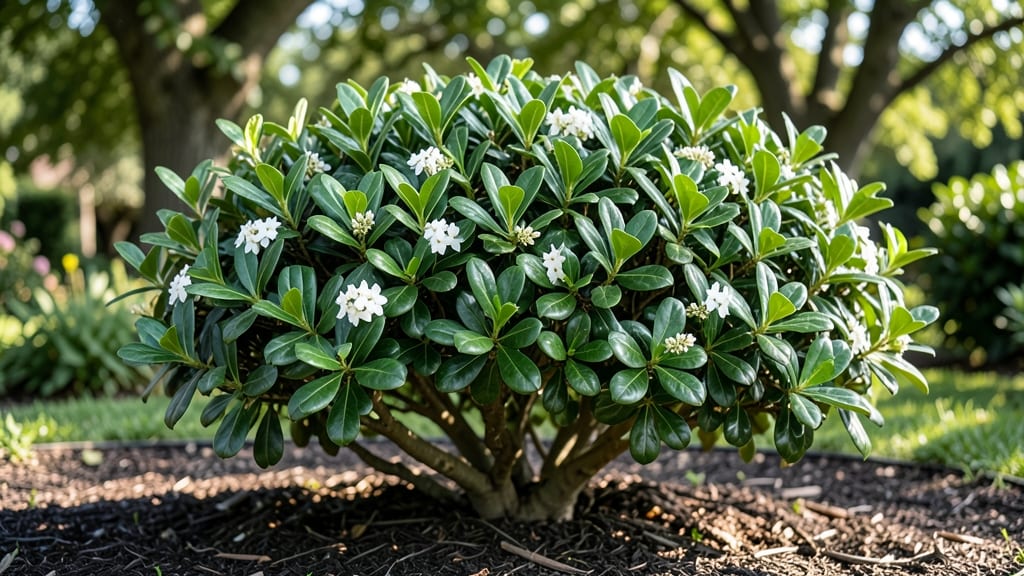
If you're planning to add a Wax Leaf Ligustrum 🌿 to your yard, knowing how tall it’ll grow is the first step to avoiding a hedge that outgrows your space—or worse, your patience.
These shrubs can reach anywhere from 10 to 15 feet at maturity, depending on the variety, making them a versatile choice for hedges, privacy screens, or even standalone statement plants.
But here’s the catch: without proper planning, even a 6-foot dwarf variety can stretch taller than expected if left unchecked. The good news? With the right pruning techniques and spacing, you can easily control its growth to fit your garden’s layout—whether you want a compact border or a towering backdrop.
Let’s break down what to expect from each type and how to keep it in check.
For homeowners in USDA Zone 6a, timing matters too. Planting in April or May gives your Wax Leaf Ligustrum the best start, but even then, its growth rate can surprise you.
Some varieties grow 2–3 feet in their first year, while others take longer to fill out. Understanding these patterns helps you prepare for maintenance before it becomes a chore.
Ready to make an informed choice? I’ll walk you through the height ranges of popular varieties, pruning tips to maintain your desired size, and even how to spot when your shrub is getting too tall.
By the end, you’ll know exactly how to keep your Wax Leaf Ligustrum looking its best—no regrets, just lush greenery.


Wax leaf ligustrum mature height ranges by popular varieties
If you're planning to add wax leaf ligustrum (Ligustrum japonicum) to your landscape, knowing its mature height is essential for spacing and design. This versatile shrub comes in several varieties, each with distinct growth habits.
The standard wax leaf ligustrum typically reaches 10–15 feet tall, but some dwarf varieties stay under 6 feet, making them perfect for smaller gardens.
Your choice of variety directly impacts how much space your ligustrum will occupy. For example, the 'Recurvifolium' variety grows wider than tall, while 'Excalibur' leans toward a more upright form. Understanding these differences helps you select the right type for your yard and avoid overcrowding.
Here’s a quick comparison of popular wax leaf ligustrum varieties and their mature heights:
| Variety | Mature Height | Spread | Pruning Needs |
|---|---|---|---|
| 'Recurvifolium' | 6–10 ft | 8–12 ft | Light pruning to shape |
| 'Excalibur' | 10–15 ft | 6–8 ft | Regular pruning to control height |
| 'Golden Excalibur' | 10–12 ft | 6–8 ft | Prune to maintain golden foliage |
| 'Dwarf Wax Leaf' | 3–6 ft | 4–6 ft | Minimal pruning needed |
When planting, consider the mature height and spread of your chosen variety to ensure it fits your space. For example, the 'Excalibur' variety can easily outgrow a small backyard, while the 'Dwarf Wax Leaf' is ideal for containers or foundation plantings.
Always check the label at the nursery for exact specifications.
Even if you love the look of a taller variety, you can control its height with regular pruning. Pruning not only keeps your ligustrum manageable but also encourages denser foliage.
I recommend pruning in late winter or early spring before new growth begins. This timing helps the plant recover quickly and maintain its shape.
Another factor influencing height is your climate zone. Wax leaf ligustrum thrives in USDA zones 6–9, where it grows vigorously. In warmer zones, it may grow taller and faster, while cooler climates can slow its growth slightly. Always monitor your plant’s progress and adjust pruning as needed.
If you’re unsure which variety to choose, start with a medium-height option like 'Recurvifolium'. It offers a balance between manageable size and striking foliage. Plus, its wider spread makes it great for hedges or privacy screens without overwhelming smaller gardens.
For those with limited space, consider container gardening. Dwarf varieties like 'Dwarf Wax Leaf' thrive in large pots, allowing you to enjoy their beauty on patios or balconies. Just ensure the container is at least 18 inches wide and deep to accommodate root growth.
Remember, the key to managing wax leaf ligustrum height is proactive care. Regular pruning, proper spacing, and choosing the right variety will keep your shrub healthy and within your desired size limits. With the right approach, you can enjoy a lush, well-managed ligustrum that fits perfectly in your landscape.
How to control wax leaf ligustrum growth for small gardens
If you love the look of wax leaf ligustrum but worry about it outgrowing your space, don’t fret! With the right techniques, you can keep even taller varieties under control—especially in small gardens. The key is proper spacing and strategic pruning.
For example, if you plant a 'Golden Excalibur' (which can reach 12 feet), spacing it 8–10 feet from structures or other plants gives it room to grow while preventing crowding.
For dwarf varieties like 'Dwarf Wax Leaf', you can get away with closer spacing—just 4–6 feet apart. This works beautifully for foundation plantings or container gardens.
The goal is to give roots enough room to establish without sacrificing your garden’s layout. Always measure twice before planting to avoid surprises!
Here’s a step-by-step guide to managing your wax leaf ligustrum’s height in limited spaces:
-
Step 1: Choose the Right Variety
Pick a dwarf or semi-dwarf type if space is tight. 'Recurvifolium' (6–10 ft) is a great middle-ground option. -
Step 2: Plant with Proper Spacing
Follow variety guidelines—taller types need 8–10 feet of clearance; dwarfs thrive at 4–6 feet. -
Step 3: Prune in Late Winter
Cut back 1/3 of the plant’s height before new growth starts. Use clean, sharp shears to avoid damage. -
Step 4: Shape Regularly
Trim 2–3 times per year to maintain your desired height. Focus on removing overlong branches first. -
Step 5: Fertilize Lightly
Use a balanced 10-10-10 fertilizer in spring and summer to encourage controlled growth, not rapid height spikes.
Pruning isn’t just about cutting back—it’s about encouraging bushier growth. When you prune, always cut just above a leaf node or bud. This promotes new branches, making your ligustrum fuller and more compact.
Avoid "topping" (cutting the very top), as this can stress the plant and lead to uneven regrowth.
Another trick for small gardens? Container gardening. Dwarf varieties like 'Dwarf Wax Leaf' thrive in 18-inch-wide pots with drainage holes. Just ensure the container is deep enough (at least 12 inches) to support root growth.
Place it in full sun and water deeply every 5–7 days during dry spells.
If your ligustrum starts to lean or stretch toward the light, it’s a sign it needs more space. In this case, transplanting might be necessary—though it’s best to do this in early spring when the plant is still dormant.
Dig a hole twice as wide as the root ball and amend the soil with compost to help it recover quickly.
Remember, wax leaf ligustrum is highly adaptable. With consistent care, you can keep even the tallest varieties manageable. Start with the right variety, prune regularly, and watch your garden stay lush without sacrificing space. Your neighbors will envy your perfectly proportioned shrubs!