How To
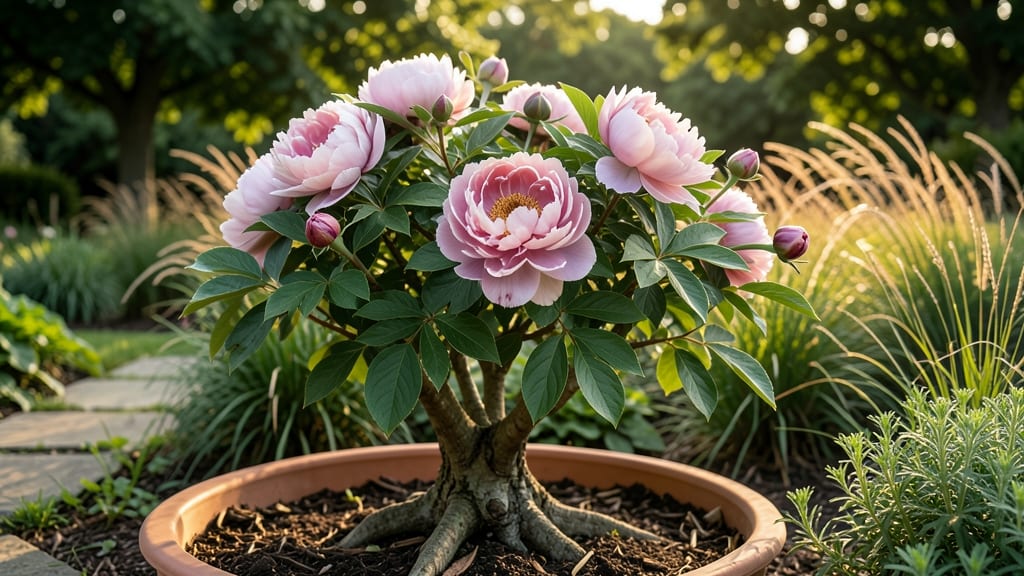
If you’ve ever wondered how tall do tree peonies grow, the answer might surprise you—these stunning shrubs can range from compact 2-foot dwarfs to towering 8-foot giants, depending on the variety.
Whether you're dreaming of a dramatic garden focal point or a space-saving border plant, tree peonies offer something for every landscape.
The key to their height lies in the cultivar you choose, with some varieties maturing at just 3 feet while others stretch toward the sky like living sculptures. Even their growth rate varies, so knowing what to expect helps you plan your garden layout with confidence.
I’ll break down the height ranges you can anticipate and how to pick the perfect size for your space.
But it’s not just about the cultivar—soil quality, sunlight exposure, and even pruning habits can influence how tall your tree peonies grow over time. Let’s explore the factors that shape their height and how you can manage them to fit your garden vision.
From dwarf varieties perfect for containers to giant types that steal the show in large landscapes, tree peonies bring beauty at every scale. Ready to discover which height range works best for your garden? Let’s dive in.


Tree peony height ranges by cultivar: from dwarf to giant varieties
Tree peonies (Paeonia suffruticosa) are shrubby perennials that can transform your garden into a floral masterpiece, but their mature heights vary dramatically depending on the cultivar. Some stay compact enough for small gardens, while others grow tall enough to anchor a landscape as a focal point.
Understanding these height differences helps you plan your garden layout and choose the perfect variety for your space.
Most tree peonies reach maturity between 3 to 8 feet, but some dwarf varieties stay under 3 feet, while giants can exceed 8 feet.
The key to selecting the right cultivar lies in knowing how each type grows over time—whether it’s a slow climber or a rapid vertical grower.
For example, the ‘Shin-Ya’ cultivar remains under 3 feet, making it ideal for containers or small gardens, while ‘Maxima’ can tower up to 8 feet, perfect for large landscapes.
Here’s how tree peonies are typically categorized by height, along with specific cultivars and their mature sizes to help you visualize their potential in your garden:
| Height Category | Cultivar Examples | Mature Height (ft) | Growth Rate |
|---|---|---|---|
| Dwarf | ‘Shin-Ya’, ‘Koi-Nodoki’, ‘Little Red’ | 2–3 ft | Slow to moderate |
| Semi-Dwarf | ‘Sarah Bernhardt’, ‘Karl Rosenfield’, ‘Hiro’s Beni’ | 3–4 ft | Moderate |
| Standard | ‘Bowl of Beauty’, ‘Coral Charm’, ‘Alice Harding’ | 4–5 ft | Moderate to fast |
| Giant | ‘Maxima’, ‘Red Chimes’, ‘Suzie’ | 6–8+ ft | Fast |
When planning your garden, consider not just the mature height but also the spread of each cultivar. For instance, ‘Maxima’ may grow to 8 feet tall, but its spread can reach 5 feet, requiring ample space.
In contrast, ‘Little Red’, a dwarf variety, stays under 3 feet with a spread of just 2 feet, making it perfect for small gardens or containers.
Another factor to consider is the growth rate. Dwarf varieties like ‘Koi-Nodoki’ grow slowly, taking 3 to 4 years to reach their mature height.
Meanwhile, giant varieties like ‘Red Chimes’ can grow 2 to 3 feet per year, reaching their full height in just 2 to 3 years. This means if you’re impatient for blooms, faster-growing cultivars will deliver results sooner.
For gardeners with limited space, dwarf and semi-dwarf cultivars are excellent choices. They thrive in containers, window boxes, or small garden beds while still providing stunning blooms. For example, ‘Sarah Bernhardt’ (semi-dwarf) produces large, fragrant flowers on a 3-foot-tall shrub, making it a standout in mixed borders.
If you’re designing a backyard focal point, giant varieties like ‘Suzie’ will draw the eye with their 6-foot height and vibrant pink blooms.
It’s also worth noting that tree peonies grow vertically over time, so their height increases gradually. In their first year, most cultivars grow only 1 to 2 feet, while in the second year, they can add another 1 to 2 feet.
By the third year, they often reach half their mature height, and by the fourth or fifth year, they’ll be at full bloom potential. This gradual growth makes them easier to manage in smaller spaces during their early years.
If you’re unsure which cultivar to choose, start with a medium-height variety like ‘Bowl of Beauty’, which grows to 4 to 5 feet and offers versatility for both borders and larger garden areas.
This gives you flexibility to adjust your garden design as the plant matures while still providing dramatic, long-lasting blooms that last 1 to 2 weeks in late spring.
Finally, remember that pruning and care can influence height over time. While you can’t drastically alter a cultivar’s mature height, proper pruning techniques and soil conditions can encourage healthier, more controlled growth.
For example, light pruning in early spring can help shape the plant and prevent it from becoming too leggy, while rich, well-draining soil promotes stronger stems and fuller blooms.
With so many options, tree peonies can fit into almost any garden design—whether you’re working with a small urban patio or a sprawling backyard. The key is selecting the right cultivar height for your space and giving it the care it needs to thrive. 🌸
Tree peony height ranges by cultivar: from dwarf to giant varieties
Tree peonies (Paeonia suffruticosa) are stunning shrubs that can transform your garden with their lush foliage and show-stopping blooms. But their mature heights vary dramatically—from compact dwarf varieties perfect for small spaces to towering giant cultivars that make bold statements.
Understanding these height ranges helps you choose the right type for your garden design and space constraints.
Most tree peonies reach maturity between 3 to 8 feet, but some dwarf varieties stay under 3 feet tall, while giants can exceed 8 feet. The key to predicting height lies in selecting the right cultivar, as genetics play the biggest role in determining size.
However, factors like pruning, soil quality, and sunlight exposure can also influence how tall your tree peony grows over time.
Here’s a quick breakdown of tree peony height classifications to help you plan your garden layout:
| Height Classification | Mature Height Range | Example Cultivars | Best For |
|---|---|---|---|
| Dwarf | 2–3 feet | 'Koi No Niwa', 'Shin-Shu' | Containers, small gardens, borders |
| Semi-Dwarf | 3–4 feet | 'Benshi', 'Haku-Yu' | Mixed borders, foundation plantings |
| Standard | 4–6 feet | 'Sarah Bernhardt', 'Kifu' | Back of borders, focal points |
| Giant | 6–8+ feet | 'Shin-Shu', 'To-Go' | Large gardens, specimen planting |
For gardeners with limited space, dwarf varieties like 'Koi No Niwa' are ideal—they stay under 3 feet and thrive in containers or small garden beds. These cultivars also produce proportionally large blooms despite their compact size, making them a stunning choice for urban gardens or balconies.
If you’re aiming for a dramatic focal point, consider giant cultivars like 'To-Go', which can reach heights of 8 feet or more and create a breathtaking backdrop for other plants.
When planning your garden, consider not just the height of the tree peony but also its spread. Most cultivars grow 3–5 feet wide, so ensure you leave enough space for them to flourish without crowding other plants.
For example, a 6-foot-tall tree peony like 'Sarah Bernhardt' will need at least 4–5 feet of clearance on all sides to avoid competition for nutrients and sunlight.
One common misconception is that all tree peonies grow to the same height. In reality, their size is largely determined by their genetics, but you can influence their growth with proper pruning techniques and soil amendments.
For instance, if you want to keep a standard-height cultivar like 'Kifu' slightly shorter, prune it back by one-third after flowering to encourage bushier growth.
Conversely, if you’re growing a giant cultivar and want to maximize its height, avoid heavy pruning and ensure it receives full sunlight and well-draining soil.
Tree peonies are a fantastic investment for any garden, offering decades of blooms with minimal maintenance. Whether you choose a compact dwarf for your patio or a towering giant for your backyard, understanding their height ranges will help you create a cohesive and stunning landscape design.