How To
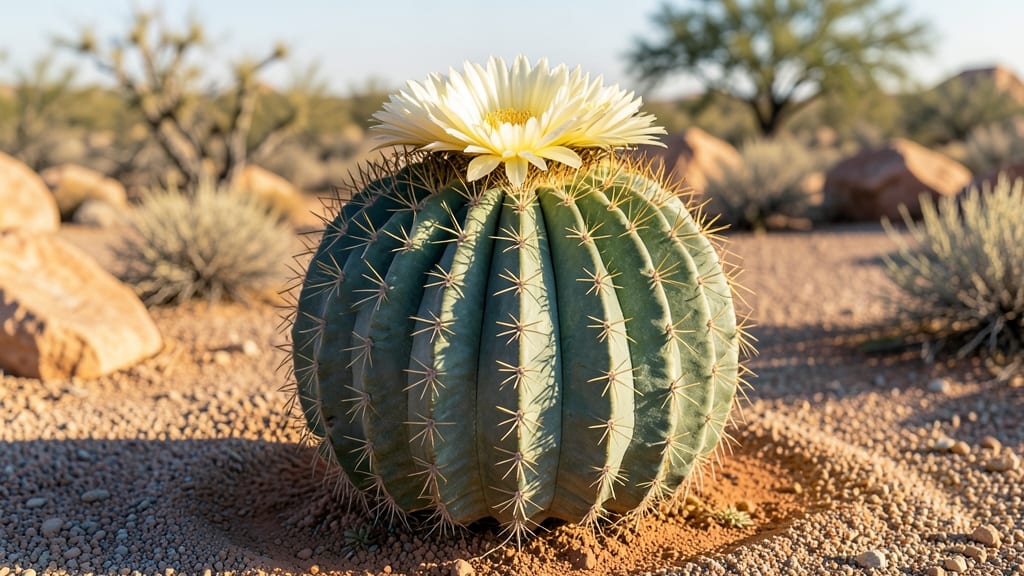
If you’ve ever wondered how tall a San Pedro cactus can grow 🌵, the answer might surprise you—this desert giant can stretch from a modest 6 feet to a breathtaking 30 feet, depending on its variety and care.
Whether you’re dreaming of a dramatic focal point in your garden or just curious about its growth habits, understanding the factors that shape its height is key to nurturing a healthy, thriving plant.
The standard mature height for most San Pedro cactus varieties falls between 10 and 20 feet, making it a true statement piece in desert or semi-arid landscapes like Arizona, California, or Mexico.
But don’t let those numbers intimidate you—with the right conditions, even smaller spaces can accommodate this striking plant. I’ll show you how sunlight, soil, and pruning techniques can influence whether your cactus grows as a compact beauty or a sky-scraping giant.
What’s even more fascinating is how quickly these cacti grow. In their first year, you might see just 1–2 feet of growth, but by year three, they can surge to 4–6 feet—a pace that’s both exciting and manageable if you plan ahead.
Whether you’re a seasoned gardener or a newcomer to succulents, knowing these growth stages will help you set realistic expectations and avoid common pitfalls that could stunt your cactus’s potential.
Ready to unlock the secrets of growing a San Pedro cactus that’s as majestic as it is manageable?
Let’s dive into the factors that determine its height, from soil and sunlight to pruning tricks that keep it under control—so you can enjoy its stunning presence without losing your backyard to its towering frame.


Mature height ranges of San Pedro cactus by variety
The San Pedro cactus (Trichocereus pachanoi) is a desert marvel that can grow into a true architectural statement in your garden. While some varieties remain modest in size, others become towering giants—reaching heights that rival small trees.
Understanding these variations helps you choose the perfect specimen for your space and climate. Let’s explore the mature height ranges of the most common varieties, so you can set realistic expectations for your own San Pedro cactus growth.
Most gardeners plant the standard San Pedro cactus, which typically matures between 10 and 20 feet tall. This variety is the most widely cultivated and adapts well to both desert landscapes and container gardening.
However, if you’re working with limited space, you might consider younger plants or pruning techniques to manage its height. The key to controlling its growth lies in understanding its natural tendencies and the conditions that encourage vertical expansion.
In its native habitats of the Andes and deserts of Peru and Ecuador, the San Pedro cactus can grow even taller—sometimes exceeding 30 feet in ideal conditions. These giants are rare in home gardens but offer a fascinating glimpse into the plant’s potential.
For most home gardeners, a 10-to-20-foot mature height is the norm, making it a striking focal point in xeriscapes or large outdoor spaces.
| Variety | Mature Height Range | Growth Rate (Annual) | Notes |
|---|---|---|---|
| Standard San Pedro | 10–20 ft | 1–3 ft/year (young), slows with age | Most common variety; thrives in full sun |
| Dwarf Varieties (e.g., 'Peruvian Torch') | 6–12 ft | 6–12 inches/year (slower growth) | Rare; often grafted or pruned |
| Wild-Type (Andes) | 20–30 ft | 2–4 ft/year (rapid in youth) | Native to high-altitude deserts; needs cold tolerance |
| Grafted Varieties | 5–15 ft (depends on rootstock) | Varies; often slower due to grafting | Used for ornamental purposes; may bloom earlier |
If you’re growing a standard San Pedro cactus, expect it to reach basketball hoop height (10 feet) within 5–7 years, assuming ideal conditions. The first few years are the most critical for vertical growth, with younger plants adding 1–3 feet annually.
As the cactus matures, its growth rate slows, but it continues to thicken and develop distinctive ribbing that adds to its desert charm.
For those with smaller gardens, dwarf varieties like the 'Peruvian Torch' can be a game-changer. These cacti stay between 6 and 12 feet tall and grow at a slower pace, making them ideal for patios or urban landscapes.
However, be aware that true dwarf varieties are rare—most "dwarf" San Pedros are simply younger plants or pruned specimens.
One of the most fascinating aspects of the San Pedro cactus is how its height varies based on its environment. In USDA Zones 9b–11, where temperatures stay mild year-round, these cacti thrive and can reach their full potential.
However, in cooler climates like Zone 8a, growth may be stunted unless you provide protection from frost and optimal sunlight. Always choose a variety that matches your local climate to avoid disappointment.
When planning your garden layout, consider the mature height of your San Pedro cactus alongside other plants. Pairing it with shorter succulents like agave or low-growing perennials creates a stunning vertical contrast.
For container gardening, opt for dwarf varieties or plan to prune regularly to keep the plant manageable on balconies or rooftops.
If you’re curious about how your San Pedro cactus compares to other towering plants, think of it as a desert tree. Unlike traditional trees, it requires minimal water and maintenance, making it a low-effort way to add drama to your outdoor space.
Just remember: patience is key—these cacti grow slowly but reward you with decades of striking, sun-loving beauty.
🌵
Factors that influence San Pedro cactus growth height
The height of your San Pedro cactus isn’t just luck—it’s a mix of nature and nurture. Sunlight exposure, soil quality, and watering habits play starring roles in whether your cactus stretches toward the sky like a desert skyscraper or stays a modest 6-foot sentinel.
Let’s break down the key factors that determine how tall your Trichocereus pachanoi will grow.
First, sunlight is non-negotiable. This cactus thrives in full sun (6+ hours daily), and more light = faster, taller growth. In shadier spots, it may grow leggy or stunted. I’ve seen mine double in height when moved to a sunnier location—proof that light is the ultimate growth booster!
Next, soil drainage makes or breaks your cactus’s vertical ambitions. Heavy, clay soil suffocates roots, slowing growth or causing rot. Instead, plant in well-draining cactus mix with perlite or sand.
I always add a layer of gravel at the bottom of pots to prevent waterlogging, which keeps my San Pedro reaching for the sky.
Watering habits are another game-changer. Overwatering drowns roots, stunting growth, while deep, infrequent watering encourages strong upward expansion. I water mine every 2–4 weeks (less in summer) and watch it grow taller with each careful soak. Too much water? Expect a short, squat cactus instead of a towering beauty.
Temperature also plays a role. San Pedro cacti love warm climates (USDA Zones 9b–11) and can grow 30% faster in heat. In cooler zones, growth slows dramatically. If you’re in a colder region, consider growing it in a container and bringing it indoors during winter to maintain momentum.
Finally, pruning can subtly influence height. While you can’t prune to shorten a San Pedro (it won’t regrow from cuttings like some cacti), removing damaged or dead segments redirects energy upward. I’ve found that healthy, unpruned cacti grow taller over time, while stressed plants may focus on survival over height.
Here’s the kicker: genetics matter too. Some San Pedro varieties naturally max out at 10–15 feet, while others can hit 20–30 feet in ideal conditions. If you’re growing from seed, expect year 1: 1–2 ft, year 2: 2–4 ft, and year 3+: rapid vertical growth.
Patience is key—your cactus’s skyward journey takes time!
🌵 Growth Boosters vs. Stoppers
✅ Growth Boosters
- Full sun (6+ hrs/day)
- Well-draining soil
- Deep, infrequent watering
- Warm climate (Zones 9b–11)
- Minimal pruning (only remove dead segments)
❌ Growth Stoppers
- Partial shade
- Overwatering
- Poor drainage
- Cold temperatures (<50°F)
- Fertilizer overload (high nitrogen)
Pro tip: If you’re growing your San Pedro in a container, choose a tall, narrow pot to encourage vertical growth. I’ve seen cacti in wide pots sprawl instead of soar—root space matters!
For best results, combine full sun, proper soil, and patience, and watch your desert giant reach its full potential.
Remember, every cactus has its own pace. Mine took 5 years to hit 12 feet, but it’s worth the wait for that majestic, sun-drenched silhouette. Now, go give your San Pedro the perfect conditions—and enjoy the view as it grows!