
Size
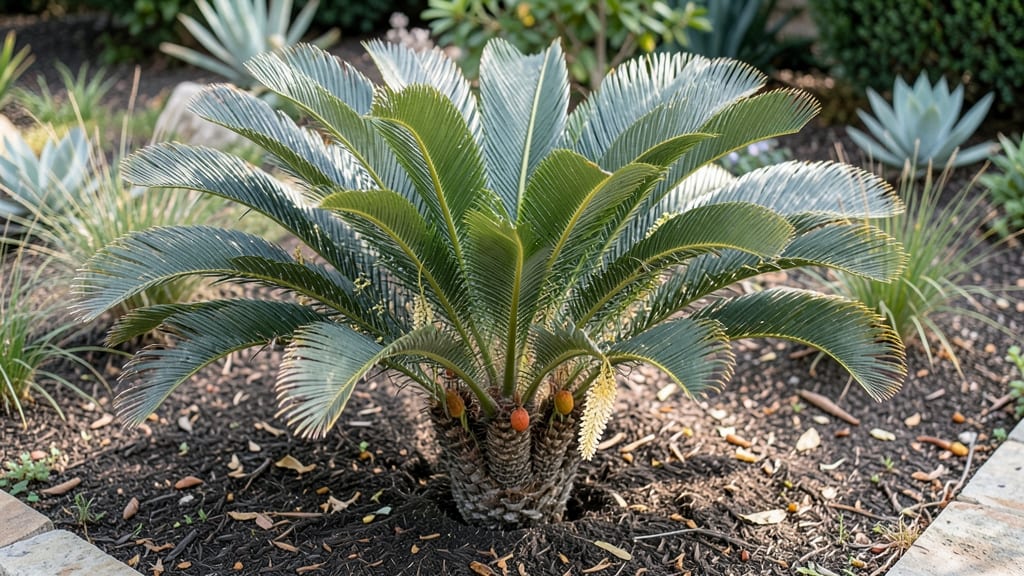
If you're wondering how tall do Phoenix Roebelenii palms grow, you're not alone—this tropical beauty is a favorite for its compact size and lush appeal. 🌴 Known as the dwarf date palm, it typically matures between 10 and 15 feet, making it perfect for home gardens where space is limited.
But here's the catch: its growth rate and final height can vary based on where you live and how you care for it.
Unlike some towering palms, the Phoenix Roebelenii stays manageable, yet it still needs room to thrive. In ideal conditions—think USDA Zone 10-11 with plenty of sunlight—it grows faster, while cooler climates might slow its progress.
Whether you're planting it in the ground or a large container, understanding these growth patterns helps you plan for the perfect spot.
What’s even more interesting is how its height changes over time. In the first few years, it grows just 1-2 feet per year, but once it hits maturity, those fronds can add up quickly.
If you're eyeing one for your yard, knowing these stages will help you avoid surprises down the line.
Ready to bring this palm into your space? I’ll break down everything you need to know—from variety-specific heights to tips for keeping it at your desired size. Let’s get started!


Phoenix roebelenii palm height by variety: exact growth ranges and mature sizes
The Phoenix roebelenii, often called the dwarf date palm, is a popular choice for tropical landscapes—but its height can vary dramatically depending on the cultivar and growing conditions.
While most mature between 10 and 15 feet, some varieties stay shorter, making them perfect for containers or small yards. Let’s break down the exact height ranges you can expect for each type.
Under ideal conditions—full sun, well-draining soil, and warm climates—this palm grows steadily. However, container-grown specimens often stay smaller due to root restrictions. For example, a 5-gallon pot might limit height to just 6-8 feet over 10 years, while in-ground plants can reach their full potential.
Here’s a quick comparison of common Phoenix roebelenii varieties and their mature heights:
| Variety | Mature Height (ft) | Growth Rate (ft/year) | Best For |
|---|---|---|---|
| Standard Phoenix roebelenii | 10–15 ft | 6–12 inches | Outdoor landscapes, large containers |
| 'Tiny Tower' | 6–10 ft | 4–8 inches | Small yards, patio planters |
| 'Pygmy Date' | 8–12 ft | 5–10 inches | Mediterranean climates, urban gardens |
| Container-Grown (5+ gal) | 4–8 ft | 3–6 inches | Balconies, patios, indoor bright spaces |
🌱 Note: Heights assume optimal care. Poor soil or shade can reduce growth by 30–50%.
If you’re planting near structures like roofs, power lines, or decks, always check local height restrictions. A 15-foot palm can easily outgrow its welcome in tight spaces, leading to costly pruning or removal down the line.
One key factor affecting height is the trunk diameter. A thicker trunk (3+ inches) often correlates with faster vertical growth. Measure your palm’s trunk annually—if it’s growing ½ inch wider per year, expect steady height increases of 6–12 inches annually.
For container gardening, upgrade pots every 2–3 years to accommodate root growth. A 15-gallon container can support a 6–8 foot palm, while 20+ gallons may allow heights up to 10 feet. Just ensure the container has drainage holes to prevent root rot.
In cooler climates (USDA Zone 9), growth slows significantly. Expect 20–30% slower height gains compared to tropical zones. If you’re in Zone 9, consider microclimates near south-facing walls or use grow lights in winter to extend the growing season.
Pro tip: If you want to slow down height growth, limit fertilizer to half-strength in spring. Over-fertilizing with nitrogen can spur rapid but top-heavy growth, making the palm more prone to wind damage.
Remember, Phoenix roebelenii palms are slow to mature—it can take 5–10 years to reach full height. Patience pays off, though, as their arching fronds and rugged trunks add year-round interest to any landscape.
Phoenix roebelenii palm height by variety: exact growth ranges and mature sizes
The Phoenix roebelenii, or dwarf date palm, is a versatile plant, but its height can vary significantly depending on the cultivar and growing conditions. While most mature between 10 and 15 feet, some varieties stay shorter, making them ideal for containers or small gardens.
Understanding these differences helps you pick the perfect palm for your space.
For example, the 'Tiny Tower' cultivar often maxes out around 8-10 feet, while standard types can reach 12-15 feet in ideal climates.
Even within the same species, factors like soil quality, sunlight exposure, and container size play a huge role in determining how tall your palm will grow.
Here’s a quick comparison of what to expect from different Phoenix roebelenii varieties at maturity:
| Variety | Mature Height Range | Best For |
|---|---|---|
| 'Tiny Tower' | 8–10 ft | Containers, small yards |
| Standard Type | 10–15 ft | Landscaping, larger gardens |
| 'Pygmy Date' | 6–10 ft | Indoor/outdoor pots, patios |
If you’re planting outdoors in USDA Zone 10-11, your palm will likely hit its maximum height faster due to year-round warmth and longer growing seasons. In cooler zones, growth slows, and the palm may stay shorter unless you provide extra care, like winter protection or container growing.
One key trick to estimating height is checking the trunk diameter. A thicker trunk usually means faster vertical growth. For example, a 4-inch diameter trunk often correlates with a palm nearing 10 feet tall.
Keep this in mind when selecting a spot—you don’t want your palm outgrowing its surroundings!
For container growers, height can be managed more easily. A 15-gallon pot will keep most varieties under 8 feet, while a 30-gallon pot allows for full growth. Just ensure the container has drainage holes to prevent root rot, which can stunt growth.
No matter the variety, pruning old fronds (every 1-2 years) encourages healthier growth upward. Just avoid over-pruning, as this can stress the palm and slow its height progression. With the right care, your Phoenix roebelenii will thrive at just the right height for your space! 🌿