
Size
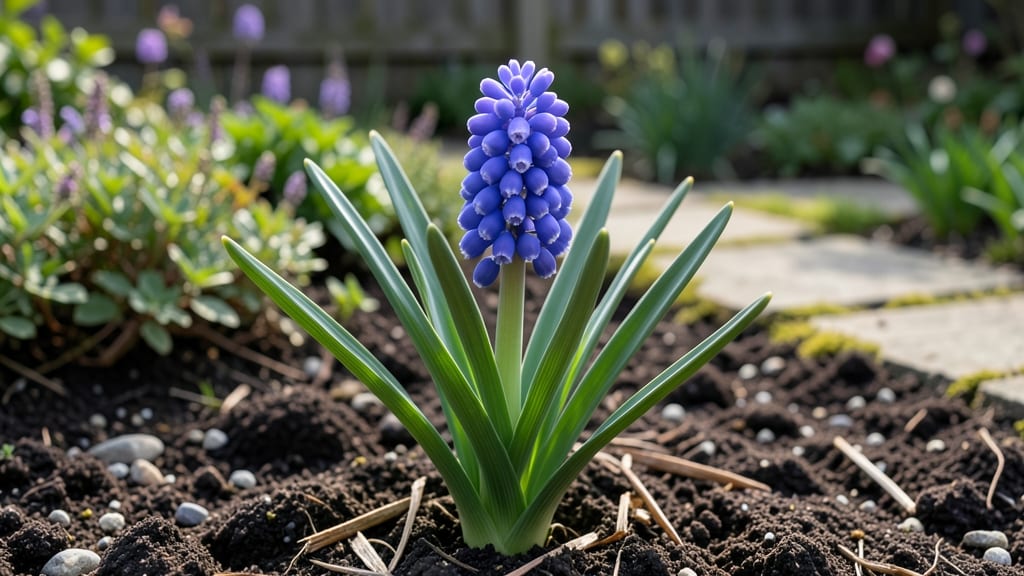
If you're wondering how tall do grape hyacinths grow, the answer might surprise you—these tiny powerhouses pack a punch of color in just 6 inches or less!
With their delicate 🌸 grape-like blooms, they’re perfect for small gardens, containers, or even tucked into rock crevices where bigger plants can’t fit.
These perennials thrive on being left alone, forming dense clumps over time without needing constant attention. The key to keeping them compact? Planting them in well-draining soil and giving them a little shade to prevent leggy growth.
Plus, their early spring blooms mean you’ll get a head start on seasonal color before most other flowers even think about waking up.
Whether you’re a beginner gardener or a seasoned pro, grape hyacinths are a game-changer for adding texture and charm to tight spaces. I’ll show you exactly how to encourage their best growth—so you can enjoy these cheerful blooms year after year with minimal effort.
Ready to transform your garden into a springtime paradise? Let’s dive into how to keep these little beauties thriving at their ideal height—without taking over your space.


Grape hyacinth height guide: what to expect by variety
If you're wondering how tall grape hyacinths grow, the answer is simple: these tiny powerhouses stay compact, typically reaching just 4 to 6 inches at maturity.
Their delicate, grape-like clusters of flowers may be small, but they pack a punch with vibrant colors and early-spring blooms that brighten any garden. The key to their charm lies in their clumping growth habit, making them perfect for borders, rock gardens, and containers.
While most varieties stay under 6 inches tall, their spread can reach 6 to 12 inches wide, creating a lush carpet of foliage and flowers. This makes them ideal for filling gaps in your garden without overwhelming nearby plants.
Whether you're working with a small balcony garden or a sunny windowsill, grape hyacinths adapt beautifully to confined spaces.
Grape hyacinth height can vary slightly depending on the variety, but most stay within this 4- to 6-inch range. For example, Muscari armeniacum often tops out at around 5 inches, while Muscari botryoides may reach 6 inches. Even in their second or third year, they rarely exceed 8 inches, making them one of the most low-maintenance perennials for small gardens.
🌱 Grape Hyacinth Height Comparison by Variety
| Variety | Height Range | Spread | Best For |
|---|---|---|---|
| Muscari armeniacum | 4–5 inches | 6–8 inches | Rock gardens, containers |
| Muscari botryoides | 5–6 inches | 8–10 inches | Borders, woodland gardens |
| Muscari latifolium | 6–8 inches | 10–12 inches | Woodland edges, shady spots |
| Muscari neglectum | 3–4 inches | 4–6 inches | Tiny containers, fairy gardens |
All varieties thrive in USDA Zones 4–9 with minimal care.
One of the most appealing aspects of grape hyacinths is their consistent height year after year. Unlike some perennials that grow taller with age, grape hyacinths maintain their 4- to 6-inch stature, making them reliable for long-term garden planning.
This predictability is especially useful if you're designing a low-maintenance garden or a pollinator-friendly space, as their early blooms provide nectar for bees before many other flowers emerge.
For gardeners with limited vertical space, grape hyacinths are a dream. Their height makes them perfect for underplanting taller perennials, such as ferns or hostas, or for adding color to rock gardens where every inch counts.
Even in containers, they stay well-behaved, rarely needing staking or support. Their self-contained growth habit means they won’t sprawl or become invasive, making them a low-stress addition to any garden.
If you're growing grape hyacinths in containers or hanging baskets, you can expect their height to remain slightly shorter than in-ground plants due to root restriction.
In these settings, they often top out at 3 to 5 inches, creating a spilling cascade of color that’s perfect for balconies or patios. Just ensure your container has well-draining soil and adequate drainage holes to prevent root rot.
Another factor that influences grape hyacinth height is sunlight exposure. While they tolerate partial shade, planting them in full sun can slightly increase their height—though they’ll still stay under 8 inches.
In shadier conditions, they may grow a bit shorter but will still produce abundant blooms. This adaptability makes them a versatile choice for gardens with varying light conditions.
When planting grape hyacinths, spacing them 3 to 4 inches apart ensures they have room to clump naturally without competing for space. Over time, their dense foliage will fill in, creating a lush, textured ground cover.
If you’re planting them in groups or drifts, you’ll achieve a more dramatic effect while keeping their individual heights in check.
For those who love early-spring color, grape hyacinths are a must-have perennial. Their 4- to 6-inch height ensures they won’t overwhelm other plants, while their pro
Grape hyacinth height guide: what to expect by variety
Grape hyacinths (Muscari) are famous for their tiny stature, but not all varieties grow the same height. Most stay between 6–12 inches tall, making them ideal for small gardens or containers.
The dwarf varieties like Muscari botryoides typically max out at 6 inches, while standard types like Muscari armeniacum reach 8–12 inches. Their compact size means they won’t overwhelm your space but will still deliver a stunning display of grape-like blooms in early spring.
What makes grape hyacinths unique is their clumping habit. Over time, they form dense clusters, spreading 6–12 inches wide while maintaining their low height. This makes them perfect for edging pathways or filling gaps between larger plants.
Unlike taller perennials, they won’t block sunlight or shade out neighbors—just the opposite! Their delicate foliage and flowers add texture without stealing the spotlight.
If you’re wondering how to control their height, the answer lies in planting depth and sunlight. Deeper planting (3–4 inches) encourages stronger roots and shorter stems, while too much direct sun can make them leggy.
For the shortest blooms, aim for partial shade and well-draining soil. This ensures they stay true to their 6-inch charm rather than stretching toward the sky.
| Variety | Height Range | Spread | Best For |
|---|---|---|---|
| Muscari botryoides | 6 inches | 6–8 inches | Rock gardens, containers |
| Muscari armeniacum | 8–12 inches | 8–12 inches | Borders, woodland gardens |
| Dwarf hybrids | 4–6 inches | 4–6 inches | Fairy gardens, window boxes |
The dwarf varieties are my personal favorites for containers or fairy gardens—they’re so small, you can fit them into crevices or even hanging baskets!
For example, Muscari botryoides stays under 6 inches, while its cousins like Muscari azoricum might stretch to 10 inches but still remain low enough to peek over garden walls.
If you’re planning a layered garden, use the taller types as a mid-level accent behind shorter perennials like ajuga or heuchera.
One common mistake is assuming all grape hyacinths are the same height. Blue varieties like Muscari armeniacum tend to be slightly taller (up to 12 inches), while white or pink varieties often stay shorter (6–8 inches).
Check the tag when buying bulbs—this small detail can make a big difference in how your garden looks! For instance, a white grape hyacinth in a container will create a soft, airy contrast to bold foliage plants like heuchera.
To keep them at their ideal height, avoid over-fertilizing with nitrogen—this encourages leafy growth at the expense of blooms. Instead, use a balanced fertilizer (5-10-10) in early spring to support both foliage and flowers without making them leggy.
With the right care, you’ll enjoy their compact charm for years, with minimal maintenance required.
Now that you know the height ranges, you can confidently plan where to place these little bloomers. Whether you’re tucking them into a rock garden, lining a pathway, or filling a container, grape hyacinths will add a burst of color without stealing the show.