
Size
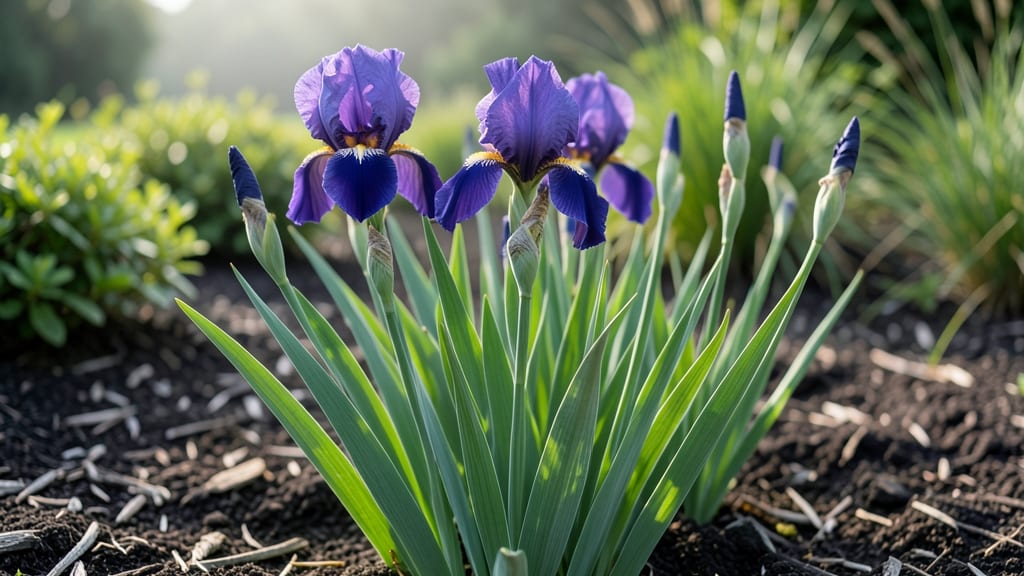
If you’ve ever wondered how tall do Dutch iris grow before their showstopping blooms appear, you’re not alone—this is the first question gardeners ask before planting.
These 🌷 Dutch iris can vary dramatically, from compact 12-inch dwarfs to towering 24-inch giants, and getting the spacing right is key to avoiding a crowded, floppy mess.
The secret to their height lies in the variety you choose, but even within the same type, environmental factors like sunlight and soil play a huge role. Too much shade? Expect shorter stems.
Poor drainage? Your irises might struggle to reach their full potential. I’ll break down the exact height ranges for popular varieties—so you can pick the perfect fit for your garden’s layout and style.
Once you know the height, spacing becomes your next game-changer. Planting too close can lead to competition, while giving them room to breathe ensures those elegant blooms stand tall and proud.
Whether you’re working with 6-inch dwarfs or 2-foot standards, I’ll share the spacing rules that keep your Dutch iris thriving—and looking their best.
Ready to turn your garden into a Dutch iris paradise? Let’s dive into the heights, spacing, and care tips that’ll have your irises reaching for the sky—without the guesswork.


Dutch iris height ranges by popular variety (with exact measurements)
Dutch iris plants are famous for their compact yet striking stature, but their height varies wildly depending on the variety and growing conditions. Most mature between 12 to 36 inches, with some dwarf types barely reaching your knees and others towering near your waist.
Knowing these ranges helps you plan bed layouts, companion plants, and support structures before they bloom.
For example, the 'White Queen' stays modest at 12–18 inches, perfect for container gardens or edging, while 'Purple Parade' stretches to 24–30 inches, ideal for cut-flower arrangements.
Even within the same variety, sunlight exposure and soil quality can push heights up or down by 20–30%. Let’s break down the most popular types and their exact measurements.
If you’re growing taller varieties like 'Royal Purple', expect them to reach shoulder height—ideal for backdrop planting or pairing with shorter perennials like lavender. Meanwhile, dwarf types like 'Blue Magic' thrive in containers or rock gardens, where their low stature prevents flopping in windy areas.
Always check the specific variety’s label for precise expectations.
Height isn’t just about aesthetics—it directly impacts bloom production and plant health. For instance, overcrowded tall irises (like 'Purple Parade') may produce fewer flowers due to competition for nutrients.
Conversely, undersized dwarf irises in poor soil might struggle to reach even their minimum height potential. Let’s explore how to optimize spacing next.
Another key factor is growth habit. Dutch iris typically form clumps rather than spreading rhizomes, which means they won’t overtake your garden like bearded iris varieties. However, taller stems need staking—especially in windy or rainy climates—to prevent flopping or snapping under bloom weight.
I’ll share my go-to support methods later in this guide.
For container growers, choose dwarf varieties to avoid root-bound stress. A 12-inch pot works well for 'White Queen', while 18-inch
Optimal spacing requirements to prevent overcrowding & maximize blooms
Dutch iris thrive when given just the right amount of space to spread their rhizomes and grow upright without competing for nutrients. Spacing too close leads to stunted growth, while over-spreading creates a cluttered look.
For most varieties, aim for 6–12 inches apart in the garden bed, but this varies by height and growth habit.
Taller varieties like 'Purple Parade' (24–30 inches) need 10–12 inches of space to avoid flopping stems, while dwarf types such as 'Little Gem' (12–18 inches) can comfortably sit 4–6 inches apart. Clumping varieties (like 'White Queen') benefit from wider spacing to prevent congestion, while rhizomatous types (like 'Blue Flag') spread aggressively and may need dividing every 3–4 years.
In containers or small gardens, Dutch iris can tolerate slightly closer spacing (3–4 inches apart), but ensure the pot has drainage holes and is at least 12 inches deep to accommodate their rhizomes. Wind-prone areas also require extra space—plant taller varieties near sheltered borders or use stakes for support.
🌱 Dutch Iris Spacing Guide
| Variety Type | Mature Height | Spacing (Inches) | Notes |
|---|---|---|---|
| Dwarf (e.g., 'Little Gem') | 12–18" | 4–6" | Ideal for borders, rock gardens |
| Standard (e.g., 'White Queen') | 18–24" | 6–8" | Best in clusters for full blooms |
| Tall (e.g., 'Purple Parade') | 24–30" | 10–12" | Stake if in windy areas |
| Containers | Varies | 3–4" | Use well-draining mix |
Proper spacing isn’t just about aesthetics—it also boosts bloom production. When rhizomes are crowded, they divert energy to leaf growth instead of flowers. After planting, mulch lightly with gravel or bark (not organic mulch) to prevent rot and keep rhizomes exposed for airflow.
For reblooming varieties, maintain consistent spacing year-round. If you notice yellowing leaves or sparse blooms, it’s a sign your Dutch iris need more room. Divide clumps every 3–4 years in early spring to refresh growth and prevent overcrowding.
🌷