
Size
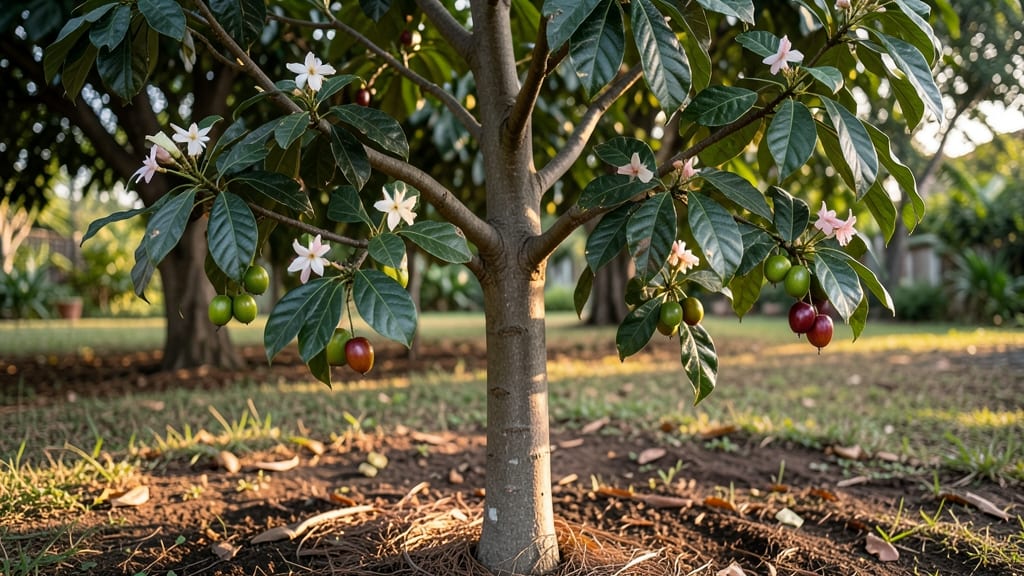
If you’ve ever wondered how tall do coffee trees grow, you’re about to discover just how dramatically they can vary—from waist-high bushes to towering giants that dwarf your house. ☕ The coffee tree you envision might look nothing like the one thriving in your backyard or container, depending on the variety and care you provide.
Most coffee trees, like the beloved Coffea arabica, can reach heights of 20 to 40 feet when grown in their native tropical climates.
But here’s the twist: with the right pruning and cultivation, you can keep them compact—even as small as 8 to 12 feet—perfect for urban gardens or patios. The key lies in understanding your tree’s needs and growth habits.
Whether you’re dreaming of a lush coffee grove or just a single potted plant on your balcony, knowing the height range helps you plan space, sunlight, and maintenance. Let’s break down how these tropical beauties grow—and how you can shape their size to fit your lifestyle.
From dwarf varieties that fit snugly in containers to robust standard trees that thrive in spacious gardens, we’ll cover everything you need to know. Ready to turn your coffee dreams into a reality? Let’s get started.


Coffee tree height variations by variety and growing conditions
Coffee trees are famous for their striking heights, but their mature size depends heavily on the species and growing conditions. The two most popular types—Coffea arabica (Arabica) and Coffea canephora (Robusta)—exhibit dramatic differences in stature.
Arabica varieties typically reach 20-30 feet in tropical climates, while Robusta trees can tower up to 40 feet under ideal conditions. However, with proper pruning and container cultivation, even these giants can be managed in smaller spaces.
In home gardens, especially in USDA Zones 10-12, coffee trees rarely reach their full potential. Most backyard growers work with dwarf or semi-dwarf varieties, which stay between 8-18 feet tall.
These compact options are perfect for urban balconies or greenhouse setups, where space is limited but the dream of homegrown coffee remains alive.
Climate plays a pivotal role in height development. In tropical rainforests, coffee trees grow unchecked, reaching their maximum height. But in cooler microclimates or container gardens, growth slows significantly.
For example, a standard Arabica might only reach 10-15 feet in a 5-gallon pot compared to 25 feet in a tropical plantation.
Pruning is another game-changer. Regular structural pruning can keep trees at waist height (3-5 feet) while maintaining productivity. Many growers use the "espalier method", training branches horizontally along trellises or walls to control height while maximizing fruit yield.
This technique is especially popular in small-space gardening and indoor cultivation.
Here’s how height varies by variety and growing method:
| Variety | Mature Height (Feet) | Growing Conditions | Pruning Impact |
|---|---|---|---|
| Coffea arabica (Arabica) | 20-30 ft | Tropical, full sun | Can be pruned to 6-10 ft |
| Coffea canephora (Robusta) | 30-40 ft | Humid, high rainfall | Pruned to 8-12 ft for containers |
| Dwarf Arabica (e.g., 'Nana') | 6-10 ft | Containers, partial shade | Minimal pruning needed |
| Semi-Dwarf Robusta | 12-18 ft | Greenhouse, controlled light | Pruned for bushier growth |
One common misconception is that taller coffee trees always produce more beans. In reality, height doesn’t correlate with yield—proper nutrient management and pruning techniques often yield better results.
For instance, a well-pruned 8-foot dwarf Arabica can produce just as much coffee as a 20-foot unpruned tree in a tropical setting, provided both receive equal care.
If you’re growing coffee in containers, height becomes even more manageable. A 5-gallon pot limits root growth, naturally capping height at 6-10 feet. However, this requires regular repotting every 2-3 years to accommodate growth.
For urban gardeners, this is a game-changer, allowing coffee trees to thrive on balconies or patios without sacrificing space.
For those in cooler climates (like Zone 10), height is often stunted due to slower growth rates. In these areas, greenhouse cultivation is ideal, as it mimics tropical conditions while keeping trees at a manageable 10-15 feet.
Combine this with artificial lighting and temperature control, and you can grow coffee almost anywhere—even in indoor setups.
Remember, the key to managing coffee tree height lies in balancing growth and productivity. Whether you’re aiming for a towering tropical giant or a compact container plant, understanding your variety’s potential—and how to shape it—will determine your success.
With the right approach, you can enjoy homegrown coffee without needing an acre of land! 🌱☕
How much space do coffee trees need? Spacing guidelines for home gardens
Choosing the right space for your coffee tree depends entirely on the variety you’re growing. Standard coffee trees like Coffea arabica can reach 20-40 feet tall in ideal tropical conditions, while dwarf varieties stay between 8-12 feet.
This height difference directly impacts how much room you’ll need in your backyard or container garden.
For home gardeners in cooler climates (like USDA zones 10-12), pruning plays a huge role in managing height.
Even standard varieties can be kept at 10-15 feet with regular pruning, making them more manageable for suburban yards. Container growing is another option—just expect slower growth and smaller yields compared to in-ground planting.
Now, let’s break down the exact spacing needs for each variety to help you plan your coffee garden layout.
| Variety | Mature Height | Spacing Needs | Best For |
|---|---|---|---|
| Arabica (Standard) | 20-40 ft | 10-15 ft apart | Large backyards, farms |
| Arabica (Dwarf) | 8-12 ft | 5-6 ft apart | Urban gardens, containers |
| Robusta (Standard) | 30-40 ft | 12-18 ft apart | Tropical climates, large estates |
| Container-Grown | 3-8 ft (pruned) | Pot size: 15+ gallons | Balconies, patios, greenhouses |
If you’re growing coffee in containers, aim for pots at least 15 gallons in size to accommodate root growth. Dwarf varieties thrive in this setup, while standard trees will need frequent pruning to stay manageable.
For in-ground planting, always space trees according to their mature height to ensure proper airflow and sunlight penetration.
Pro tip: In small spaces, consider growing coffee trees against a south-facing wall or using a trellis system to guide vertical growth. This not only saves space but also makes harvesting easier! Just be prepared to prune regularly to maintain control over height.
Remember, overcrowding leads to poor fruiting and increased disease risk. Give your coffee trees the space they need, and you’ll be rewarded with healthier plants and better yields. ☕🌿