Size
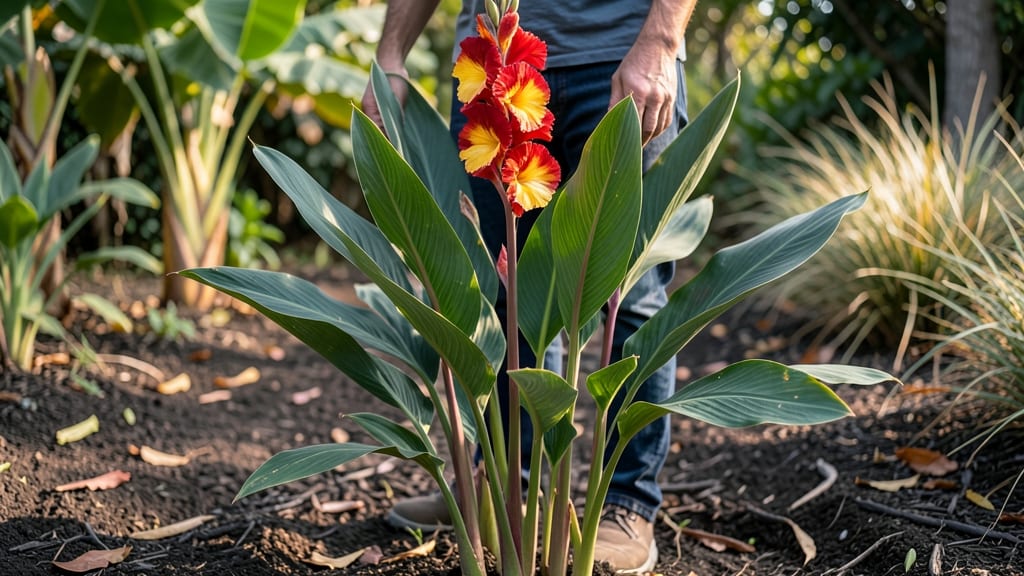
If you're dreaming of adding a bold tropical vibe to your garden but worry about canna plants, how tall do canna plants grow might just be the perfect surprise.
These striking perennials can reach anywhere from 2 feet for dwarf varieties to a towering 7 feet for their tallest cousins—making them one of the most dramatic additions to any landscape.
Whether you're working with a cozy patio or a sprawling backyard, understanding their growth potential is the key to getting the most out of your canna lilies.
What you'll discover here is how to choose the right variety for your space, what factors influence their height, and practical tips to manage their growth—so you can enjoy their lush foliage and vibrant blooms without the worry.
From the compact 'Dwarf Tiger' to the majestic 'Red King Humbert,' we'll break down everything you need to know to make cannas thrive in your garden, no matter how much (or little) vertical room you have.


Canna lily height chart: dwarf to giant varieties explained
Canna lilies are famous for their dramatic foliage and vibrant blooms, but their height variations are just as impressive. Whether you're designing a small container garden or a tropical-themed landscape, choosing the right variety ensures your cannas thrive—and fit!
Most cannas reach 3 to 7 feet at maturity, but some dwarf varieties stay under 2 feet, while giants can exceed 7 feet in ideal conditions.
Height isn’t just about aesthetics—it also affects sunlight exposure, wind resistance, and even pollinator attraction. Taller cannas need staking or sturdy placement to avoid flopping, while dwarf varieties work beautifully in window boxes or hanging baskets.
Let’s break down the most popular varieties by height so you can pick the perfect fit for your space.
The height of canna lilies depends on more than just genetics—sunlight exposure, soil fertility, and watering consistency all play a role. For example, 'Red King Humbert' can reach 7 feet in full sun with rich soil, but may stay shorter in partial shade.
Meanwhile, 'Dwarf Tiger' rarely exceeds 3 feet, making it ideal for urban balconies or small courtyards.
If you’re growing cannas in USDA zones 8–11, they’ll often grow taller due to longer growing seasons. In cooler zones (like zone 7), expect heights on the shorter end unless you extend the season with row covers.
Always plant rhizomes 4–6 inches deep and space them 12–18 inches apart to avoid overcrowding, which can stunt growth.
For container gardening, choose dwarf varieties or prune taller ones regularly. A 5-gallon pot works for 'Dwarf Tiger', while 'Red King Humbert' needs at least a 15-gallon container with sturdy stakes.
Mix in compost-rich potting soil to encourage robust growth—cannas thrive in moist, well-draining soil with a pH of 6.0–7.0.
Pro tip: Pinch back young canna shoots to encourage bushier growth and prevent legginess. This works especially well for taller varieties like 'Cleopatra', helping them develop stronger stems. Just avoid pruning after mid-summer, as new growth fuels fall blooms.
Canna lilies also self-seed in warm climates, leading to unexpected saplings the following year. These seedlings often grow taller than the parent plant, so monitor their height and transplant them to avoid overcrowding.
If you’re in a short-season zone, dig up rhizomes before frost and store them in dry peat moss for next year’s planting.
One common misconception is that cannas need constant watering to reach their full height. While they do love moisture, overwatering can cause root rot and stunted growth. Aim for 1–2 inches of water per week, adjusting for rainfall.
Mulch around the base with straw or shredded leaves to retain moisture and keep roots cool.
For maximum height, fertilize cannas with a balanced 10-10-10 formula every 4–6 weeks during the growing season. Avoid high-nitrogen fertilizers, which promote leafy growth at the expense of flower stalks. Instead, focus on phosphorus and potassium to boost blooms and stem strength.
Whether you’re drawn to dwarf cannas for containers or giant varieties for dramatic backdrops, understanding their height potential helps you plan with confidence. Experiment with different varieties in your garden—you might discover a new favorite that perfectly matches your space! 🌺
How to control canna lily height for small gardens
If your garden space is limited but you love the bold drama of canna lilies, don’t worry—you can still enjoy them! With the right variety selection and growth management techniques, you can keep these tropical beauties at a manageable height while still showcasing their stunning foliage and flowers.
First, choose dwarf varieties like 'Dwarf Tiger' or 'Purpureus', which typically stay between 2-3 feet tall. These are perfect for containers, small patios, or even as striking border plants in tight spaces.
Even standard varieties can be controlled with proper care, so you’re not limited to just the shortest options.
🌱
💡 3 Pro Tips to Manage Canna Height
- Prune early: Cut back flower stalks as they emerge to redirect energy to foliage growth. This keeps the plant bushier and shorter.
- Use containers: Plant in large pots (at least 12 inches deep) to restrict root spread, which naturally limits height. Choose wide, shallow containers for a spreading habit.
- Stake strategically: Install bamboo stakes or trellises early in the season to support the plant and prevent it from flopping. This also helps control sprawl in small spaces.
Another effective method is deadheading spent blooms regularly. This encourages the plant to focus on leafy growth rather than producing tall flower spikes. Plus, it keeps your cannas looking neat and tidy, which is especially important in small gardens where every inch counts.
For container gardening, select a variety like 'Australia' or 'Durban', which tend to stay between 3-4 feet tall. Place the pot in a sunny spot and fertilize lightly every 4-6 weeks with a balanced fertilizer (10-10-10) to promote compact growth.
Avoid over-fertilizing, as this can lead to leggy, tall stems.
If you’re growing cannas in garden beds, space them 12-18 inches apart to allow airflow and prevent overcrowding, which can stunt growth. Mulch around the base with organic matter like shredded leaves or compost to retain moisture and encourage robust, shorter stems.
Finally, don’t forget that light exposure plays a role in height. While cannas thrive in full sun, partial shade can slightly reduce their height, making them more manageable. If your garden is shady, opt for varieties like 'Cleopatra', which tolerates lower light conditions better than others.