
Succulent
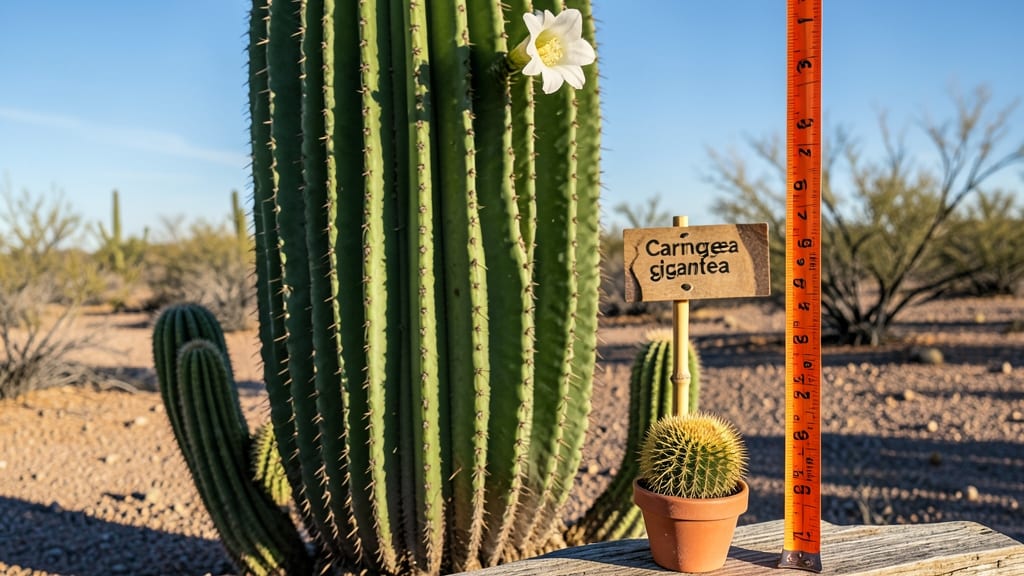
Ever wondered how tall that tiny 🌵 cactus on your windowsill can grow? The answer isn’t just about time—it’s about the species you’ve chosen. Some cacti stay small enough to perch on a desk, while others grow tall enough to rival a two-story house.
If you’re curious about the potential height of your cactus, the variety makes all the difference. Dwarf types like the Mammillaria might only reach a few inches, while giants like the Saguaro can tower over 50 feet.
Even in USDA Zone 6a, where winters can be chilly, the right care can help your cactus thrive to its full potential.
But size isn’t just about genetics—light, soil, and patience play huge roles. With the right conditions, you can encourage (or limit) growth to match your space. Whether you love tiny desk-sized cacti or dream of a backyard jungle, understanding these factors will help you nurture the perfect plant.
Ready to discover which cactus fits your vision? Let’s break down the heights, care tips, and secrets to keeping your 🌵 at just the right size—no matter how tall (or short) you want it to grow.


Cactus height guide: smallest to tallest varieties explained
If you’ve ever wondered whether your desert cactus will stay a tiny tabletop plant or grow into a room-dividing giant, the answer lies in the species. Some cacti top out at just a few inches, while others can reach 50 feet tall—taller than most homes!
Understanding these height ranges helps you choose the right cactus for your space and care needs.
Cactus heights vary dramatically, from miniature varieties perfect for desks to columnar giants that dominate landscapes. Even within the same genus, like Opuntia (prickly pear), you’ll find dwarf and towering types. Let’s explore the spectrum so you can pick—or grow—the perfect size for your garden or home.
🌵
The Blossfeldia liliputiana, often called the "living fossil," is the world’s smallest cactus. It grows just 1-2 inches tall and takes decades to reach that size—making it a patience-testing but rewarding plant for collectors.
Meanwhile, the Carnegiea gigantea (saguaro) can live over 200 years and grow 50 feet tall, becoming a desert landmark.
For beginner gardeners, I recommend starting with Mammillaria or Echeveria varieties—they stay manageable while still offering stunning colors and textures. If you’re in a warm climate, larger cacti like Cereus or Opuntia can thrive outdoors, adding dramatic vertical interest to your landscape.
Did you know? Some columnar cacti, like the Pachycereus, can grow 1 foot per year in ideal conditions—but only if given full sun and well-draining soil. Without these, their growth slows dramatically, sometimes by half the expected rate.
How to control cactus height: pruning, light, and container secrets
If you’ve ever watched your cactus stretch toward the light like a sunflower, you know how quickly they can outgrow their space. The good news? You can control cactus height with a few simple strategies—no genetic engineering required.
The key lies in pruning techniques, light management, and even the size of your pot. Let’s break down how to keep your cactus at your desired height, whether you want a desk-sized plant or a managed towering specimen.
First, pruning is your best friend for height control. Unlike many plants, cacti can regenerate from cuttings, so you can safely trim them back without harm. The best time to prune is in early spring, just as new growth begins.
Use sterilized pruning shears or a sharp knife to cut just above a segment or areole (those little bumps where spines grow). These cuttings will root easily in well-draining soil, giving you free mini-cacti! Just let the cuts dry for a few days before replanting to prevent rot.
Light exposure plays a huge role in cactus height. While most cacti love full sun, too much intense light can cause them to grow too fast and become spindly. If your cactus is stretching toward the window, it’s a sign of light deprivation.
Move it closer to a south-facing window or supplement with a grow light for 12-14 hours a day. However, if you’re growing a slow-growing species like Lithops (living stones), keep it in bright indirect light to prevent rapid growth.
Container size is another secret weapon for controlling height. Cacti grow faster when root-bound, so if you want to slow them down, give them a slightly larger pot (just 1-2 inches wider than their current one) every few years.
For fast-growing species like Pereskia, use a shallow, wide pot to encourage spreading growth instead of height. On the flip side, if your cactus is growing too slowly, repot into a slightly larger container to stimulate root expansion and upward growth.
Finally, don’t underestimate the power of fertilizer. While cacti don’t need much, a light feeding in early spring with a low-nitrogen fertilizer (like 2-7-7) can encourage healthy growth. Avoid over-fertilizing, though—this can lead to soft, leggy growth and weak stems.
If you’re growing a slow-growing species, skip fertilizer entirely and focus on well-draining soil and proper light.
With these tips, you can keep your cactus at the perfect height for your space—whether that’s a windowsill companion or a managed indoor jungle. Experiment with pruning, light, and containers to find what works best for your specific species. Happy growing! 🪴