
Plants
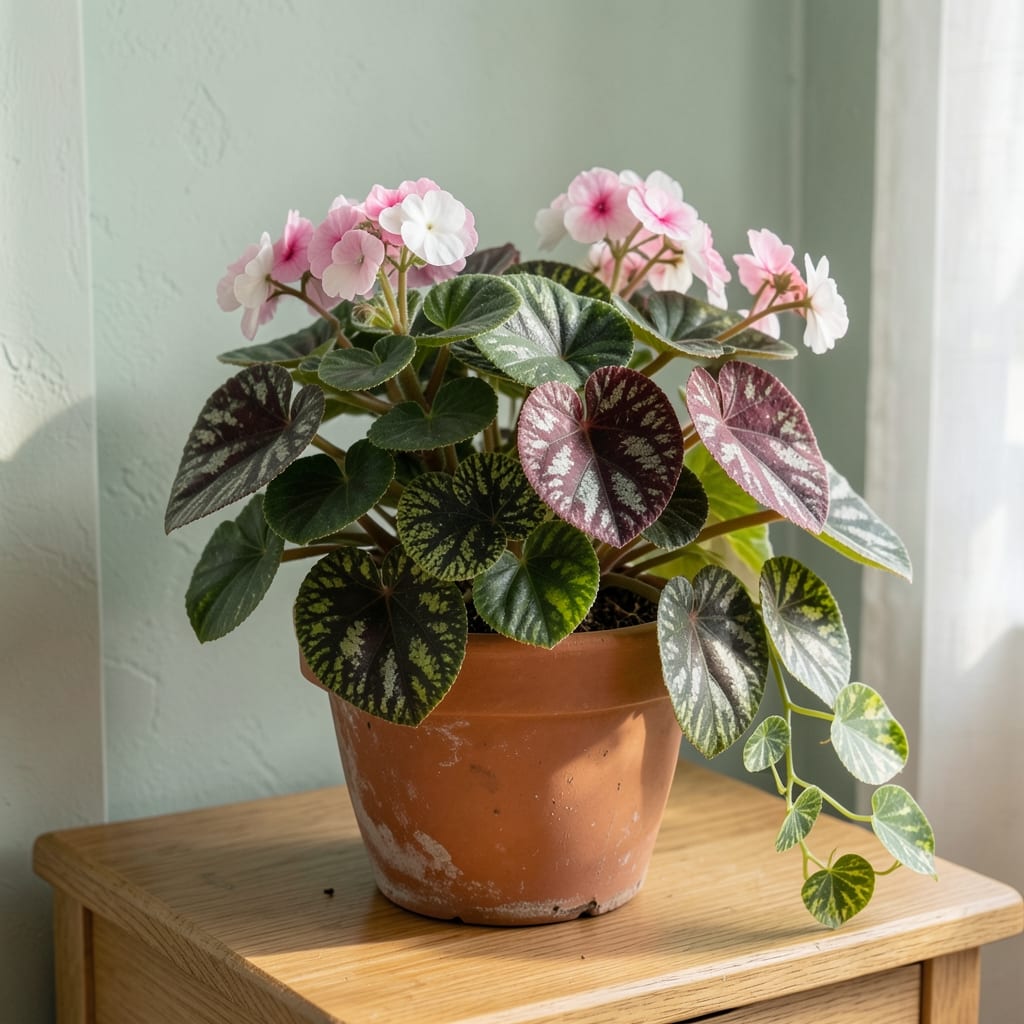
Wondering how tall do begonia plants grow? The answer might surprise you—these stunning 🌸 beauties range from tiny tabletop companions to varieties that stretch toward the ceiling! Whether you're dreaming of cascading wax begonias or bold rex leaves, size matters for placement and care.
From dwarf types that stay under 6 inches to towering tuberous varieties reaching nearly 3 feet, begonias offer diversity that fits any space. The key difference? Growth habits—some sprawl while others grow upright, changing how you'll need to support or prune them.
Light exposure, pot size, and even your pruning habits can push a begonia toward its maximum height or keep it compact. Let's break down the height ranges by type and share pro tips to control growth—so you can choose the perfect variety for your home or garden.
Ready to pick the right begonia for your space? You'll discover how to spot early signs of height potential and adjust care to match—whether you want a windowsill showstopper or a floor-filling statement plant.


Begonia height guide: from tiny tabletop plants to towering varieties
Begonias are one of the most versatile plants for gardeners, offering everything from tabletop-sized varieties to 3-foot-tall beauties. Their height depends entirely on the specific variety, with some perfect for windowsills and others thriving in garden beds. Understanding these differences helps you choose the right begonia type for your space and care needs.
Most begonias fall between 6 inches and 2 feet at maturity, but extremes exist. Dwarf varieties like 'Dragon Wing' stay under 8 inches, while cane-type begonias can reach 3 feet with proper support. Even within the same species, growth habits vary—some sprawl, others grow upright, and a few even trail gracefully.
Here’s a quick look at how different begonia categories compare in height and ideal placement:
| Variety | Height Range | Growth Habit | Ideal Placement |
|---|---|---|---|
| Wax Begonias | 6–12 inches | Bushy, compact | Windowsills, hanging baskets, garden beds |
| Rex Begonias | 8–12 inches | Clumping, rosette | Indoor pots, terrariums, shaded garden spots |
| Tuberous Begonias | 12–18 inches | Upright, bushy | Garden borders, containers, hanging baskets |
| Cane-Type Begonias | 2–3 feet | Trailing or upright | Trellises, tall containers, garden backdrops |
| Dwarf Varieties | 3–6 inches | Compact, slow-growing | Desk plants, fairy gardens, small pots |
If you’re growing begonias in containers, height becomes even more critical. Smaller varieties like 'Miniature Wax' thrive in 6-inch pots, while cane-type begonias need 12-inch or larger containers to support their height and prevent tipping. Always choose a pot with drainage holes to avoid root rot, a common issue with overwatered begonias.
For garden beds, taller varieties like 'Angel Wing' begonia (up to 2 feet) make stunning border plants or backdrop accents. Pair them with shorter annuals like impatiens or lobelia to create layered displays. Just remember: begonias prefer partial shade, so avoid placing them in full sun, which can scorch their delicate leaves.
One misconception is that all begonias stay small. In reality, neglected care can stunt growth, while optimal conditions (like bright indirect light and regular watering) encourage them to reach their full height potential. For example, a 'Dragon Wing' begonia might only grow 6 inches if kept in low light, but with proper care, it can double in size.
Height also affects how you prune begonias. Tall varieties benefit from regular pinching to encourage bushiness, while trailing types may need support stakes or trellises to guide their growth. Always use sterilized scissors to avoid spreading disease, and remove any yellow or damaged leaves to redirect energy to new growth.
For indoor gardeners, height is a game-changer when it comes to placement options. A 3-foot cane begonia won’t fit on a desk but would look stunning in a floor-standing planter near an east-facing window. Meanwhile, a 6-inch dwarf begonia is perfect for a shelf garden or office cubicle. Always match the plant’s mature size to its intended location.
Lastly, don’t overlook seasonal height fluctuations. Begonias often grow more vigorously in spring and summer but may shrink slightly in winter due to reduced light. If you’re growing tuberous begonias, their height can vary dramatically between seasons—expect new growth in spring after their dormant winter period.
Now that you know the height ranges, you’re ready to pick the perfect begonia for your space—whether it’s a tiny tabletop gem or a towering garden statement! 🌸
Begonia height guide: from tiny tabletop plants to towering varieties
Begonias are famous for their stunning foliage and delicate blooms, but their height varies dramatically—from tiny tabletop plants to tall, cascading varieties. Understanding these differences helps you choose the right type for your space, whether it's a sunny windowsill or a shady garden corner. Some begonias stay compact at just 3 inches tall, while others reach 3 feet or more with proper care.
If you're planning a container garden or a hanging basket display, height matters. A tuberous begonia might need staking to support its 18-inch stems, while a rex begonia stays low and bushy. Let’s break down the most popular types and their mature sizes to help you pick the perfect fit for your garden.
| Variety | Height Range | Growth Habit | Best For |
|---|---|---|---|
| Wax Begonias | 6–12 inches | Bushy, upright | Containers, borders |
| Rex Begonias | 8–12 inches | Compact, rosette | Tabletop displays, terrariums |
| Cane Begonias | 2–3 feet | Trailing or upright | Hanging baskets, vertical gardens |
| Tuberous Begonias | 12–18 inches | Upright, sturdy | Garden beds, patio pots |
| Bougainvillea-Like Begonias | 18–24 inches | Trailing, sprawling | Trellises, hanging planters |
For small spaces, rex begonias and wax begonias are ideal—they thrive in 6-inch pots and add color without taking up much room. Meanwhile, cane begonias are perfect for hanging baskets or vertical gardens, where their trailing vines can cascade beautifully. If you're planting in a garden bed, tuberous begonias will fill space elegantly with their upright stems and showy blooms.
Height isn’t the only factor—growth habits also play a role. Some begonias, like angel wing begonias, grow in a sprawling pattern and may need pruning to control their spread. Others, like basket begonias, naturally trail, making them perfect for hanging displays. Always check the plant tag or description for specific care tips to ensure your begonia reaches its full potential height.
Light and care also influence height. Too much sun can stunt growth, while poor drainage may cause leggy stems. For taller varieties, use a support stake or trellis to prevent flopping. With the right conditions, your begonias will thrive at their ideal height, adding beauty to your space all season long.
Whether you love compact foliage plants or dramatic trailing varieties, begonias offer something for every gardener. Now that you know their height ranges, you can confidently choose the perfect type for your garden or home.