
Size
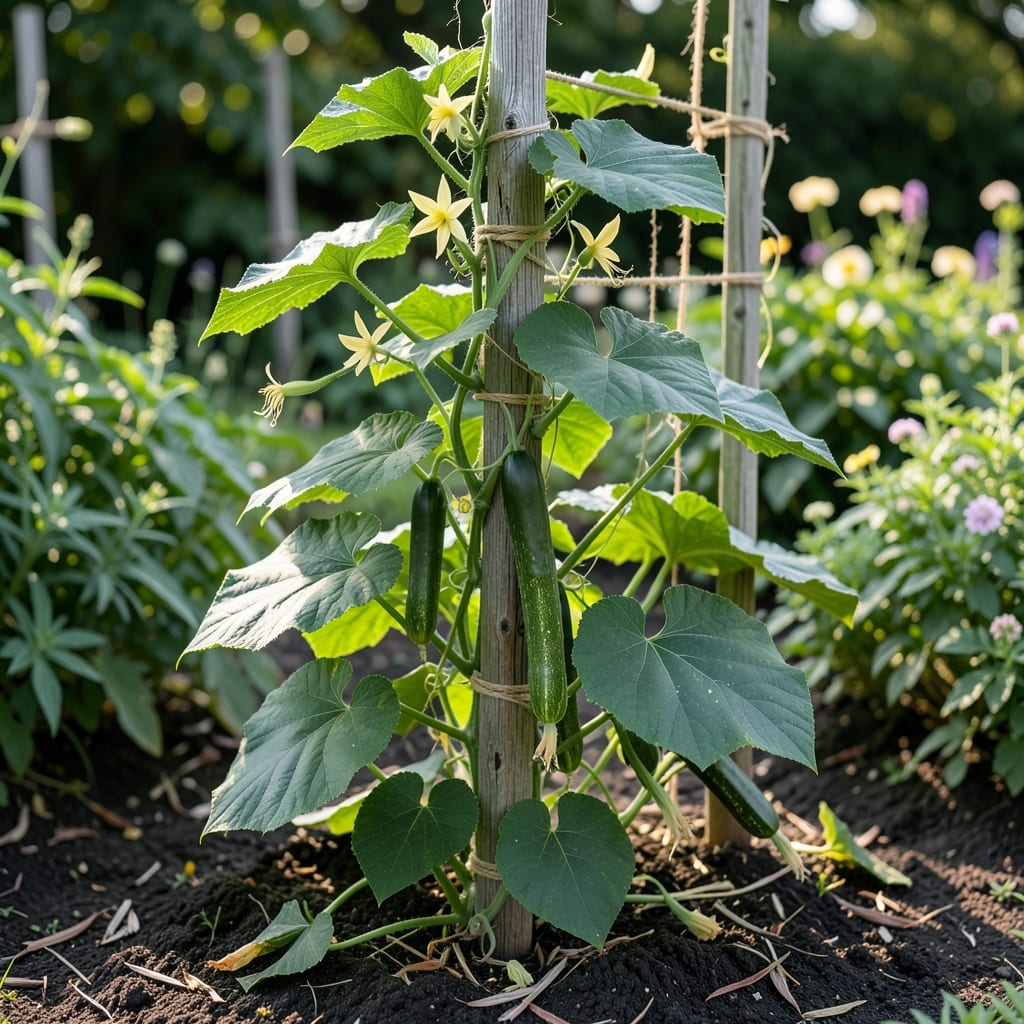
If you’ve ever watched your 🥒 cucumber plants grow the tall way they sprawl across your garden like unruly vines, you’re not alone—most gardeners struggle with controlling their growth. But here’s the thing: some varieties can stretch up to 15 feet if left unchecked, while others stay neatly contained in a 1-foot pot. Knowing how tall your cucumbers will grow is the difference between a lush harvest and a tangled mess.
The key to success lies in choosing the right variety for your space. Whether you’re working with a tiny balcony or a sprawling backyard, understanding vine lengths helps you plan support systems, pruning strategies, and even where to plant. For example, dwarf varieties like ‘Bush Champion’ stay under 3 feet, making them perfect for containers, while classic slicing cucumbers can climb 10 feet or more on a trellis.
In this guide, I’ll break down everything you need to know—from the shortest bush types to the tallest vining giants—so you can pick the perfect cucumber for your garden. You’ll also discover how to manage growth naturally, whether that means training vines upward or keeping them compact. Let’s get your cucumbers growing the way you want them to!
Ready to transform your garden from chaotic to controlled? By the end, you’ll know exactly which varieties fit your space and how to keep them thriving—no more lost cucumbers in the back corner! Let’s dive in.


Cucumber vine lengths by variety: from dwarf to 15-Foot climbers
Cucumber plants come in three main growth types, each with dramatically different vine lengths. The first category—bush varieties—stays compact, perfect for small gardens or containers. These rarely exceed 3 feet in height, making them ideal for balconies or raised beds. The second type, trailing varieties, sprawl horizontally but can reach 6-8 feet if unchecked, requiring ground space or a low trellis. Finally, climbing varieties are the giants of the cucumber world, capable of stretching 10-15 feet when given proper support.
Your choice of variety directly impacts your garden’s layout. For example, a 15-foot vine needs a sturdy trellis or fence, while a 2-foot bush fits snugly in a 5-gallon pot. Let’s break down the most popular types and their space requirements to help you plan your cucumber patch like a pro.
🌱
| Variety Type | Mature Height | Vine Length | Best For | Support Needed |
|---|---|---|---|---|
| Bush Varieties | 1–3 ft | 0–2 ft spread | Containers, small gardens | None (compact) |
| Trailing Varieties | 3–5 ft | 6–8 ft spread | Raised beds, ground planting | Low trellis or stakes |
| Climbing Varieties | 10–15 ft | Vines can exceed 20 ft | Trellises, fences, greenhouses | Strong trellis or wire support |
| Semi-Dwarf | 3–5 ft | 4–6 ft spread | Small yards, patio gardens | Optional low support |
Let’s dive into specific varieties to give you a clearer picture. ‘Bush Champion’, a popular bush type, tops out at just 2 feet and produces 5-10 cucumbers per plant. This makes it a favorite for city gardeners with limited space. On the opposite end, ‘Straight Eight’, a classic climbing cucumber, can reach 15 feet if given a sturdy trellis, producing long, dark green cucumbers perfect for pickling.
If you’re growing in a container garden, look for dwarf varieties like ‘Spacemaster’ or ‘Diva’, both staying under 3 feet and thriving in 5-gallon pots. These are also great for greenhouse growing, where their compact size maximizes vertical space. For larger gardens, ‘Marketmore 76’ is a reliable trailing variety that spreads 6-8 feet but stays manageable with a low trellis.
One common mistake is assuming all cucumbers need 10 feet of space. In reality, many varieties can be trained to grow vertically, even if they’re technically trailing types. For example, ‘Sweet Success’, a trailing variety, can be guided up a trellis to save ground space while still producing high yields. The key is choosing the right support system early—before the vines get too heavy.
For greenhouse growers, climbing varieties like ‘Corinto’ or ‘Excelsior’ are game-changers. These can climb 10-15 feet and produce continuous harvests if pruned correctly. However, they require strong trellising—think metal cages or heavy-duty wire—to support their weight. Without proper support, these vines can collapse under their own weight, leading to broken stems and lost cucumbers.
🌿
Another factor to consider is growth habit. Some cucumbers, like ‘Armenian’ or ‘Snake’ cucumbers, grow in a long, winding vine that can exceed 20 feet in ideal conditions. These are best suited for large gardens or greenhouses where they can sprawl freely. Meanwhile, parthenocarpic varieties (like ‘Sweet Slice’) produce cucumbers without pollination, making them ideal for containers or indoor growing where space is tight.
If you’re new to growing cucumbers, start with a bush or semi-dwarf variety to build confidence. These require minimal support and are forgiving for beginners. Once you’ve mastered their care, you can experiment with climbing varieties for higher yields. Remember, the right variety for your space isn’t just about height—it
How to control cucumber plant height: pruning, trellising, and space-saving tips
Controlling cucumber plant height isn’t just about aesthetics—it’s about maximizing your harvest and saving space. Whether you’re dealing with a 15-foot vine or a 3-foot bush, the right techniques can transform a chaotic garden into an organized, high-yielding one. The key is understanding when to prune, how to use trellises, and which varieties respond best to training. Let’s start with the basics: pruning.
Pruning cucumbers isn’t just for shaping—it’s a way to redirect energy toward fruit production. For climbing varieties, I recommend pruning side shoots (those small stems growing off the main vine) to encourage upward growth. Use clean, sharp pruning shears and cut just above a leaf node. This prevents disease and encourages the plant to focus on main vine growth and cucumber production. For bush varieties, minimal pruning is needed, but removing yellow or diseased leaves keeps the plant healthy and improves air circulation.
🌱
- 🪴 Prune climbing varieties: Remove side shoots to encourage upward growth and fruit production.
- ✂️ Prune bush varieties: Focus on removing yellow or diseased leaves to improve air flow.
- 🌿 Train vines early: Guide vines onto trellises or supports within the first 2-3 weeks to avoid tangled growth.
- 💧 Water consistently: Deep watering 2-3 times per week keeps vines strong and supports vertical growth.
- ☀️ Provide full sun: At least 6-8 hours of sunlight daily ensures healthy vine development and fruit production.
Trellising is another game-changer for controlling cucumber height. For climbing varieties, install a trellis or sturdy fence before planting. Use soft ties or twine to gently guide the main vine upward, securing it every 12-18 inches. This not only saves space but also improves air circulation, reducing the risk of fungal diseases like powdery mildew. For trailing varieties, a low trellis or wire arch can keep vines off the ground while still allowing them to spread horizontally.
One of the biggest mistakes I see is waiting too long to train vines. If you let cucumber vines sprawl for more than 2-3 weeks, they become tangled and difficult to manage. Start training early by gently weaving the main vine through the trellis or tying it to stakes. This sets the foundation for controlled growth and makes harvesting easier. Plus, vertical growth means cucumbers are less likely to rot from sitting on damp soil.
For container growers, choose dwarf or semi-dwarf varieties like ‘Spacemaster’ or ‘Sweet Success.’ These stay under 3-5 feet and thrive in 5-gallon pots with a small trellis. Even trailing varieties can be trained upward in containers using a mini trellis or cage. Just ensure your pot has drainage holes and is large enough to accommodate the plant’s root system. A 10-inch pot works for dwarf varieties, while larger containers (15+ gallons) are better for trailing types.
Finally, don’t underestimate the power of regular harvesting. Picking cucumbers frequently encourages the plant to produce more, which can also help control vine growth. If left unchecked, overripe cucumbers can weigh down vines, causing them to sag or break. Aim to harvest every 2-3 days during peak production to keep the plant balanced and healthy. With these tips, you’ll have neat, manageable vines and a bountiful harvest—no jungle required!
🌿