
Flowers
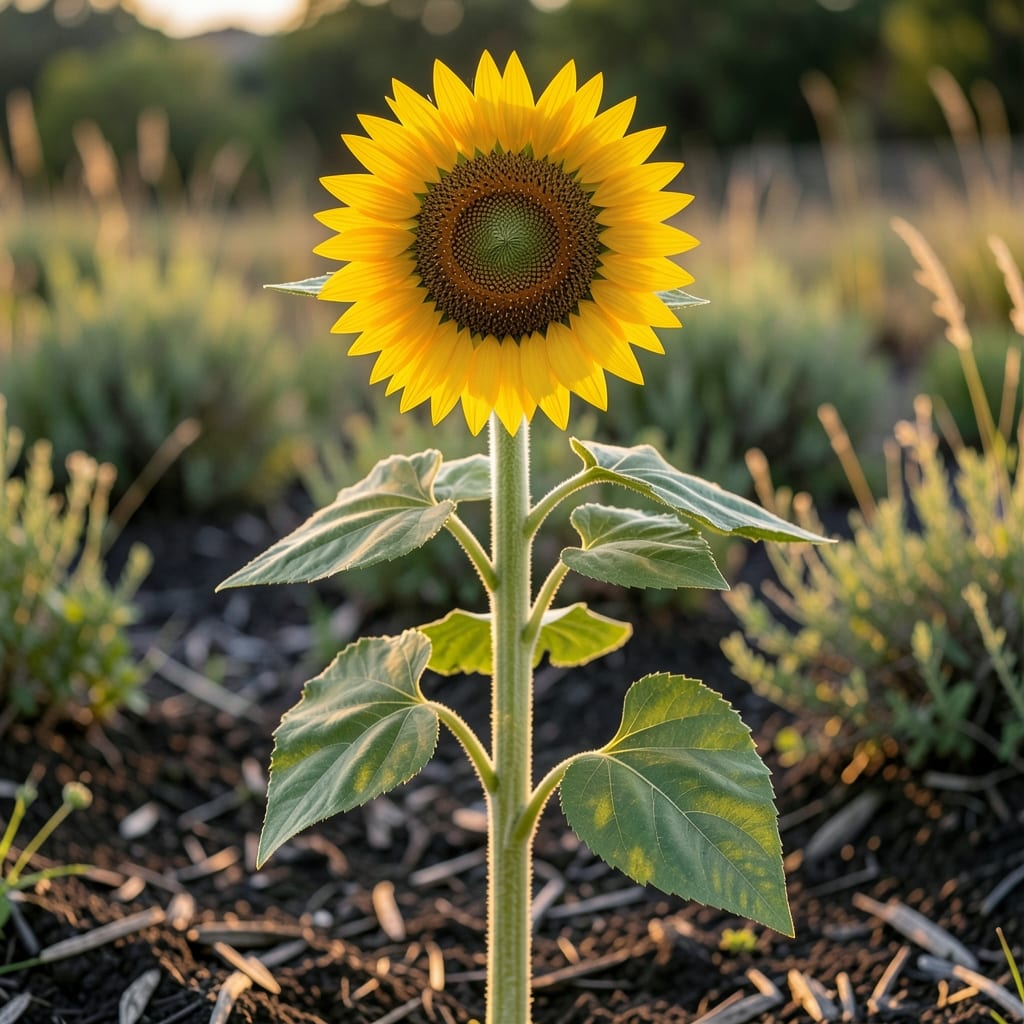
If you’ve ever wondered just how tall sunflowers can grow—up to 12+ feet—you’re not alone. These cheerful giants can stretch taller than a basketball hoop or even rival a two-story building, depending on the variety. But not all sunflowers are towering behemoths; some stay compact enough for containers or small gardens, making them perfect for urban spaces.
The key to unlocking their full height potential lies in choosing the right variety and giving them the ideal growing conditions. Whether you’re dreaming of a sunflower that reaches the sky or prefer a petite version for your patio, understanding their growth habits will help you create the perfect garden display. Let’s explore how sunlight, soil, and care can turn your sunflowers into sky-high stars or manageable companions.
For those with limited space, dwarf varieties like 'Teddy Bear' or 'Sunspot' stay under 3 feet, while giants like 'Mammoth' or 'Russian Giant' can soar well beyond 10 feet. The difference isn’t just about height—it’s about how you design your garden, from companion planting to supporting tall stems. Ready to discover which sunflower fits your space?
Whether you’re a beginner or a seasoned gardener, knowing how to nurture these plants will help you grow sunflowers that match your vision—whether that’s a dramatic focal point or a charming addition to a small balcony. Let’s dive into the secrets of sunflower growth and how to make the most of your garden’s vertical space.

Sunflower height records: giant varieties that reach 12+ feet
If you’ve ever dreamed of growing sunflowers that rival skyscrapers, you’re in luck—some varieties can reach 12 to 16 feet tall under ideal conditions! These towering giants aren’t just impressive; they’re perfect for creating dramatic focal points in your garden or even providing shade for smaller plants below. But how do they grow so tall, and which varieties should you plant for maximum height?
Sunflowers achieve their record-breaking heights thanks to a combination of genetics, sunlight, and proper care. The tallest varieties, like 'Mammoth' and 'Russian Giant', can grow 3 to 4 feet per month during their peak growing season. With the right support and conditions, they’ll stretch toward the sun like nature’s own sun-tracking antennas!
Before planting, consider your garden’s layout. A 12-foot sunflower needs ample space and sturdy support—think bamboo stakes or trellises—to prevent toppling. These giants also require full sun (6+ hours daily) and nutrient-rich soil to reach their full potential. If you’re aiming for a sunflower that can outshine your fence, these varieties are your best bet.
Here’s a quick look at the tallest sunflower varieties and their typical mature heights:
| Variety | Mature Height | Growth Rate | Best For |
|---|---|---|---|
| Mammoth | 12–16 ft | 3–4 ft/month | Dramatic focal points, shade |
| Russian Giant | 10–14 ft | 2–3 ft/month | Cut flowers, pollinators |
| Autumn Beauty | 8–12 ft | 2–3 ft/month | Long-lasting blooms |
| American Giant | 10–15 ft | 3 ft/month | Tallest heirloom |
To encourage your sunflowers to grow as tall as possible, start with well-draining, fertile soil rich in organic matter. Amend your soil with compost before planting to give them a nutrient boost. These giants also benefit from regular deep watering—aim for 1–2 inches of water per week, especially during dry spells. Avoid overwatering, though, as soggy soil can lead to root rot.
If you’re growing sunflowers in windy or storm-prone areas, consider staking them early. Use bamboo stakes or cages to provide support as they grow. You can also plant them near a fence or wall for extra stability. With the right care, your sunflowers could easily outgrow your expectations—and your neighbors’ envy!
For those who love data, here’s a fun fact: The tallest sunflower ever recorded reached 12.7 feet in 2011, thanks to dedicated gardeners and ideal growing conditions. While breaking a world record might be a stretch for most of us, growing a 10-foot sunflower is well within reach with the right variety and care.
If you’re short on space but still want sunflowers that make a statement, don’t worry—we’ll cover compact and dwarf varieties next that are perfect for containers and small gardens. Until then, let your sunflowers reach for the sky! 🌻
Sunflower height records: giant varieties that reach 12+ feet
If you’ve ever dreamed of growing sunflowers that feel like they’re touching the sky, you’re in luck! Some varieties can grow taller than a two-story building, reaching heights of 12 to 16 feet or more. The Mammoth and Russian Giant varieties are famous for their impressive stature, often dwarfing gardeners and even small trees. These giants aren’t just for show—they’re perfect for creating dramatic focal points in your garden or even as natural privacy screens.
But how do they get so tall? It’s a combination of genetics, growing conditions, and a little extra care. Giant sunflowers thrive in full sun, well-draining soil, and consistent moisture. Without proper support, their heavy heads can cause them to topple, so staking or planting them near a fence is key. If you’re aiming for record-breaking heights, expect these varieties to grow 3 to 5 feet in their first month and continue climbing until frost.
Here’s a quick snapshot of the tallest sunflower varieties and what to expect from them:
| Variety | Mature Height | Growth Rate | Best For |
|---|---|---|---|
| Mammoth | 12–16 ft | 3–5 ft/month | Dramatic focal points |
| Russian Giant | 10–14 ft | 2–4 ft/month | Privacy screens |
| Autumn Beauty | 8–12 ft | 2–3 ft/month | Cut flowers |
| American Giant | 10–15 ft | 3–4 ft/month | Record-breaking heights |
For these giants to reach their full potential, plant them in well-amended soil rich in organic matter. A balanced fertilizer applied every 4–6 weeks during the growing season will encourage strong stems and vibrant blooms. Remember, the taller the sunflower, the more wind and water support it’ll need to stay upright. Without proper care, even the hardiest varieties can struggle to reach their maximum height.
If you’re growing giant sunflowers in a smaller garden, consider planting them near a trellis, fence, or sturdy stake to save space while still enjoying their towering presence. This also makes harvesting seeds easier—just tie the stems to the support as they grow. With the right conditions, you could end up with sunflowers that feel like they’re part of your garden’s skyline!
Pro tip: If you’re after extra-tall sunflowers, start seeds indoors 4–6 weeks before the last frost for a head start. This gives them more time to establish strong roots before the rapid growth phase begins in late spring. Just be prepared for some serious height—your neighbors might ask how you grew them so tall!
🌻