
Vegetables
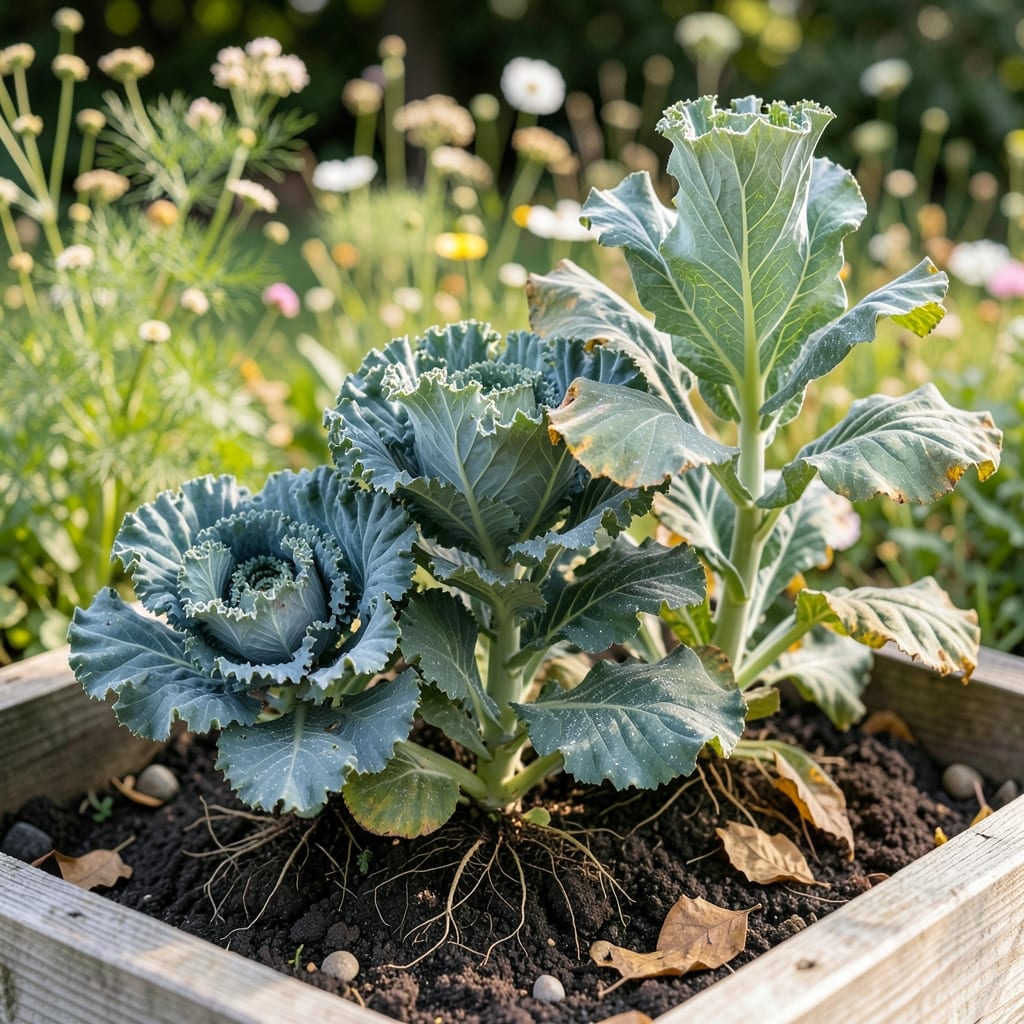
Ever wondered just how tall your 🥬 kale can grow—or why some plants seem to stretch toward the sky while others stay stubbornly short? The answer lies in the variety you choose and how you care for it, and getting it right can mean the difference between a harvest of tender leaves and a towering, unruly mess.
Kale isn’t one-size-fits-all when it comes to height. Some dwarf varieties barely reach your knee, while standard types can soar nearly 3 feet tall, making them perfect for larger gardens or even as a striking ornamental plant. The key to managing their growth starts with selecting the right type for your space and learning simple pruning tricks that encourage bushier, more productive plants.
Whether you're dealing with overgrown stalks or struggling to coax your kale to mature, understanding the factors that influence height—like sunlight, soil, and seasonal timing—can help you steer clear of common pitfalls. I’ll break down the science behind kale’s growth habits and share practical tips to keep your plants at the ideal height for easy harvesting.
Ready to transform your garden into a kale patch that’s both productive and manageable? Let’s dive into the varieties, pruning techniques, and environmental tweaks that will give you the perfect-sized harvest every time.

Kale growth height by variety: dwarf to giant types explained
Kale’s height isn’t just a matter of luck—it’s all about the variety you grow. Some types stay compact, perfect for small gardens or container growing, while others reach towering heights that make them stand out as ornamental plants. Understanding these differences helps you plan your garden layout and avoid overcrowding or wasted space.
Dwarf varieties like ‘Dwarf Blue Curled’ or ‘Miniature’ kale typically max out at 8–12 inches, making them ideal for windowsills or balcony gardens. These bushy plants focus energy on leaf production rather than stem elongation, giving you a steady harvest without the height. On the other end of the spectrum, standard varieties such as ‘Lacinato’ (Dinosaur kale) or ‘Red Russian’ can stretch 2–3 feet tall, requiring more space but rewarding you with larger, more robust leaves.
Ornamental kale, like ‘Redbor’ or ‘Russian Red’, often grows 18–24 inches tall and is prized for its vibrant colors in fall gardens. While these types aren’t typically harvested for eating, their height and striking foliage make them a favorite for decorative beds. The key to choosing the right variety lies in matching its mature height to your garden’s available space and your intended use—whether it’s for culinary harvests or visual appeal.
Here’s a quick comparison to help you decide which kale fits your garden best:
| Variety | Height Range | Growth Habit | Ideal Spacing |
|---|---|---|---|
| Dwarf Blue Curled | 8–12 inches | Bushy, compact | 6–12 inches apart |
| Lacinato (Dinosaur) | 2–3 feet | Upright, sturdy stems | 12–18 inches apart |
| Redbor (Ornamental) | 18–24 inches | Bushy, broad leaves | 12–15 inches apart |
| Red Russian | 2–3 feet | Semi-upright, sprawling | 12–18 inches apart |
The genetics of your kale variety determine its height limits, but environmental factors like sunlight, soil fertility, and water availability can influence how close your plants stay to those ranges. For example, Lacinato kale grown in poor soil might not reach its full 3-foot potential, while the same variety in rich, well-drained soil could exceed expectations. Similarly, dwarf varieties may stretch taller if they’re overcrowded, competing for nutrients and light.
When planning your garden, consider not just the mature height but also the spacing requirements. Taller varieties like ‘Red Russian’ need room to avoid shading shorter plants, while dwarf types can be planted more densely. If space is limited, opt for bushier varieties like ‘Dwarf Blue Curled’—they’ll give you a harvest without the height, and you can even grow them in containers as small as 12-inch pots.
Pro tip: If you love the look of ornamental kale but want edible leaves too, try ‘Winterbor’ or ‘Rosemary’ kale. These varieties strike a balance, growing 18–24 inches tall with broad, flavorful leaves that are perfect for salads and sautéing. They’re also cold-hardy, making them great for extending your harvest into late fall or early spring.
No matter which variety you choose, remember that pruning plays a huge role in managing height and encouraging bushier growth. In the next section, I’ll share my go-to pruning techniques to keep your kale at the perfect height for harvesting—without sacrificing yield or plant health.
🌱
How to control kale height: pruning tricks for bushier, longer harvests
Pruning isn’t just about keeping your kale looking neat—it’s a game-changer for controlling height and boosting leaf production. The right cuts encourage your plants to grow bushier and more productive, while wrong cuts can stunt growth or even trigger early bolting. Whether you’re dealing with towering stalks or struggling to coax your kale to mature, mastering these techniques will give you the perfect-sized harvest every time.
Most gardeners make the mistake of waiting until their kale is fully grown to harvest, but that’s when you lose control over height. Instead, start pruning as soon as your plants reach 6–8 inches tall. This early intervention signals the plant to focus energy on leaf production rather than stem elongation. For dwarf varieties, a light trim every 2–3 weeks keeps them compact and encourages dense foliage, while taller types like Lacinato benefit from more aggressive pruning to prevent legginess.
Here’s my step-by-step guide to pruning kale for optimal height and yield:
- Step 1: Harvest Outer Leaves First
Always remove the largest, outermost leaves first. This prevents shading the inner leaves and encourages the plant to produce more foliage. Use clean, sharp scissors or your fingers to avoid damaging the stem. - Step 2: Cut Back Leggy Stems
If your kale is stretching too tall, trim the top 1–2 inches of the main stem. This redirects growth to the sides, creating a bushier plant. Repeat this every 4–6 weeks to maintain height. - Step 3: Thin Overcrowded Plants
If multiple stems are competing for space, remove the weakest or smallest stems at the base. This gives the remaining plant more room to grow and prevents overcrowding, which can stunt growth. - Step 4: Prune for Fall Harvests
In late summer or early fall, give your kale a harder cut—trim back by 1/3 of its height. This rejuvenates the plant and often results in a second flush of growth before frost. - Step 5: Avoid Pruning in Heat
Never prune during hot, dry periods (like mid-summer). Stress from heat and cutting can trigger bolting, causing your kale to flower prematurely and become bitter.
Timing your pruning is just as important as the technique. For spring-planted kale, focus on pruning in early summer to encourage a fall harvest. If you’re growing kale for winter color (like ornamental varieties), prune lightly in late summer to maintain shape without sacrificing foliage. And remember: never remove more than 1/3 of the plant at once, or you risk shocking the plant and halting growth.
One of my favorite pruning hacks is using the "cut-and-come-again" method for dwarf varieties. Simply snip off the outer leaves every week or two, and your plant will keep producing new growth for months. This works especially well for container-grown kale, where space is limited. For taller types, like ‘Red Russian’, I recommend a monthly trim to keep stems from becoming woody and tough.
Pro tip: If your kale starts to bolt (send up a flower stalk), don’t panic. While this means the leaves may become bitter, you can still prune the flower stalk and often coax the plant back into producing edible leaves. Just be sure to harvest any remaining leaves quickly before the plant puts all its energy into flowering.
By mastering these pruning tricks, you’ll not only control your kale’s height but also extend your harvest season and enjoy a steady supply of fresh, tender leaves. Next up, I’ll cover the common reasons your kale might be growing too tall (or too short) and how to fix those issues before they derail your garden plans.
✂️