
Size
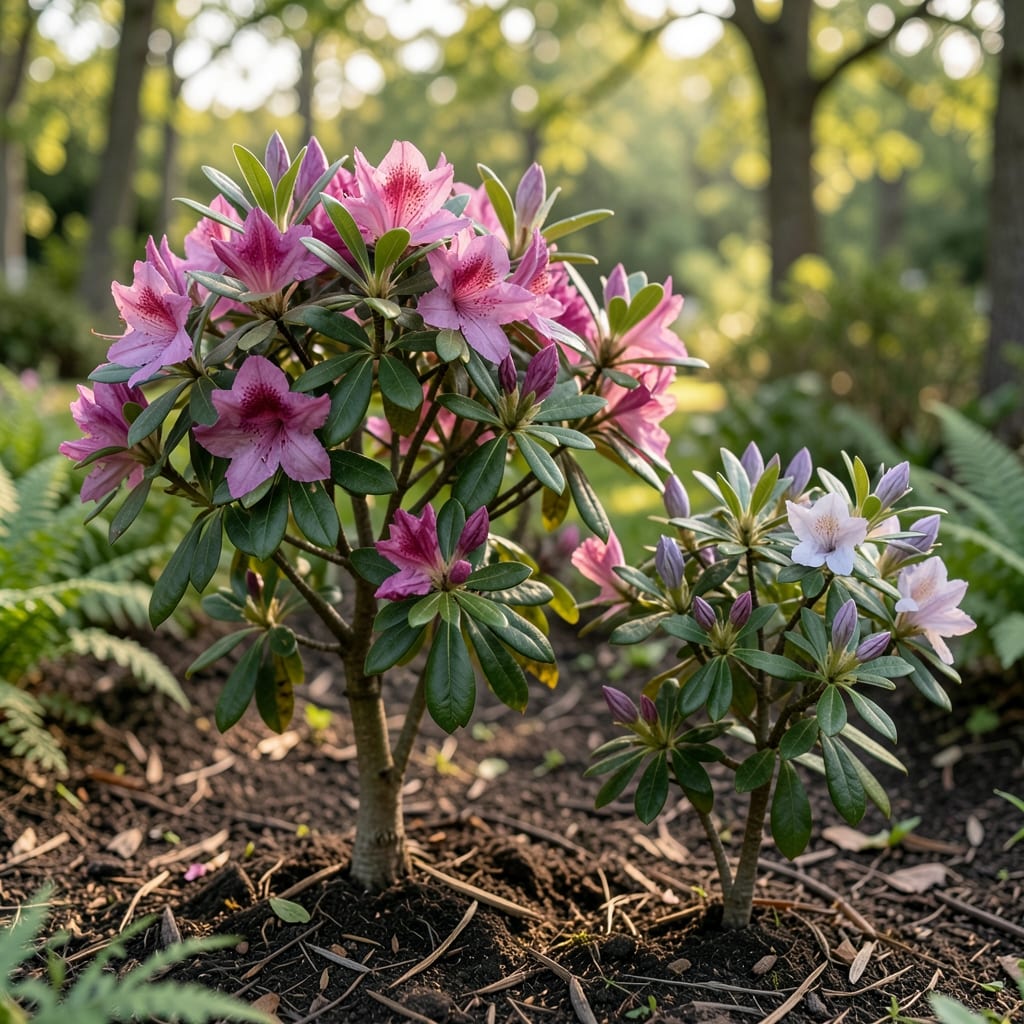
Wondering how tall can azaleas grow in your garden? The answer might surprise you—these stunning 🌸 shrubs can range from barely taller than a dinner plate to standing proudly as a small tree, all depending on the variety you choose.
If you're planning your spring garden and want to add azaleas, knowing their mature size is key to creating the perfect layout. Some compact cultivars stay under 3 feet, making them ideal for borders or containers, while others can reach up to 12 feet, becoming a dramatic focal point in your landscape.
But size isn't the only factor—your USDA zone (6a or warmer), sunlight exposure, and pruning habits all play a role in how tall your azaleas will grow. Whether you're dreaming of a tiny dwarf azalea for a window box or a towering specimen to frame your patio, we'll break down everything you need to know to pick the perfect variety for your space.
Let's explore the world of azalea heights, from the smallest bloomers to the grandest shrubs, so you can make an informed choice that fits your garden vision—and your maintenance style.

Azalea height ranges by cultivar: from miniature to giant varieties
Azaleas are one of the most versatile shrubs in your garden, offering heights from compact 1-foot wonders to towering 12-foot giants. The key to choosing the right variety lies in understanding how each cultivar matures—because what starts as a small nursery plant can transform dramatically over just a few years. Let’s explore the four main height categories and the best varieties for each, so you can plan your garden layout with confidence.
For dwarf azaleas, think of them as the perfect window box stars or edging plants. These stay between 1 and 3 feet tall at maturity, making them ideal for small spaces, container gardening, or even as colorful accents in rock gardens. Popular picks like 'Girard’s Pink' or 'Little Devil' thrive in these roles while still delivering stunning blooms.
Next up are semi-dwarf azaleas, which bridge the gap between petite and grand. These grow 3 to 5 feet tall, making them perfect for foundation plantings or as mid-height borders. Varieties like 'Hino Crimson' or 'Southern Indica' offer bold colors without overwhelming your landscape, and they’re often more manageable than their taller counterparts.
Now, if you’re dreaming of a statement-making shrub, standard azaleas are your answer. These beauties reach 6 to 12 feet tall, creating a dramatic backdrop for patios, walkways, or even as a small tree-like focal point. 'Bowl of Beauty' and 'George L. Taber' are classic choices that bring year-round interest with their glossy foliage and springtime blooms.
Finally, some giant azalea varieties can even exceed 12 feet in ideal conditions, though these are less common in home gardens. If you have the space—and the patience—they become a landscape centerpiece that rivals small trees. Just be prepared for their size and the commitment to regular pruning.
Remember, these heights are general guidelines—your azalea’s growth depends on factors like soil quality, sunlight exposure, and pruning habits. For example, a dwarf variety planted in rich, acidic soil with regular pruning might stay even smaller, while one in poor soil could grow taller than expected as it stretches for sunlight. Always check the specific care requirements for your chosen cultivar to ensure it thrives in your garden’s conditions.
Pro tip: If you’re unsure about a variety’s mature size, ask your local nursery for a height comparison or check the plant tag. Some nurseries even offer miniature azalea mixes that guarantee compact growth—perfect for renters or small yards. With so many options, there’s truly an azalea height to match every garden vision.
Now that you know the height ranges, let’s talk about how to choose the perfect azalea for your space—whether you’re working with a cozy balcony or a sprawling backyard. Stay tuned for our next section on selecting the right height for your garden layout!
How to choose the right azalea height for your garden space
Selecting the perfect azalea height for your garden isn’t just about aesthetics—it’s about creating a functional and balanced landscape. The right size ensures your azaleas thrive without crowding other plants or overwhelming your space. Start by measuring your garden areas and visualizing how different azalea heights will fit. For example, a 3-foot dwarf azalea in a window box adds color without taking up space, while a 10-foot standard azalea can frame a patio entrance dramatically.
Consider your garden’s existing structures, too. Azaleas near walkways should stay under 5 feet to avoid obstructing visibility, while those planted as backdrop shrubs can reach 8–12 feet. If you’re unsure, sketch a simple layout on paper, marking where each azalea will go. This helps you avoid the common mistake of planting tall varieties too close to small perennials or annuals, which can create a visual imbalance over time.
Another key factor is your sunlight exposure. Most azaleas thrive in partial shade, but taller varieties like 'George L. Taber' can handle more sunlight if planted in morning sun with afternoon shade. Smaller cultivars, such as 'Little Devil', may struggle in hot, direct afternoon sun, so place them where they’ll get dappled light or filtered shade. Always check your garden’s microclimates—some areas might be sunnier or shadier than others.
🌿 5 Key Tips for Choosing Azalea Heights
- Measure your space: Use a tape measure to note heights of existing plants, structures, or hardscapes (e.g., fences, decks).
- Match height to function: Tall azaleas (6–12 ft) work as focal points; dwarf varieties (1–3 ft) suit borders or containers.
- Plan for growth: Standard azaleas can grow 1–2 feet per year—account for this when spacing.
- Consider sunlight: Smaller azaleas need partial shade; taller types tolerate more sun if pruned correctly.
- Check pruning needs: Dwarf azaleas require minimal pruning; standard types need annual shaping to control height.
Spacing is often overlooked but critical for azalea health. Dwarf azaleas need 2–3 feet of space between plants, while semi-dwarf varieties should have 4–5 feet. Standard azaleas require 6–8 feet of clearance to prevent overcrowding, which can lead to pests, disease, or poor blooming. Pro tip: If you’re planting multiple azaleas, stagger their heights—place taller ones at the back and shorter ones in front—to create a layered, natural look.
For container gardening, choose dwarf or semi-dwarf azaleas to avoid root-bound issues. A 5-gallon pot works well for 1–3 foot varieties, while larger containers (15+ gallons) can accommodate semi-dwarf azaleas for 2–3 years before transplanting. Remember, azaleas in pots dry out faster, so they’ll need daily watering in hot weather and winter protection if temperatures drop below 20°F.
Finally, think about long-term maintenance. Taller azaleas require regular pruning to control height and shape, while dwarf varieties need minimal upkeep. If you’re not keen on pruning, opt for low-maintenance semi-dwarf varieties like 'Hino Crimson', which stay compact with minimal effort. By aligning your azalea height with your garden’s layout, sunlight, and your lifestyle, you’ll create a harmonious and low-stress landscape that thrives for years.