
Size
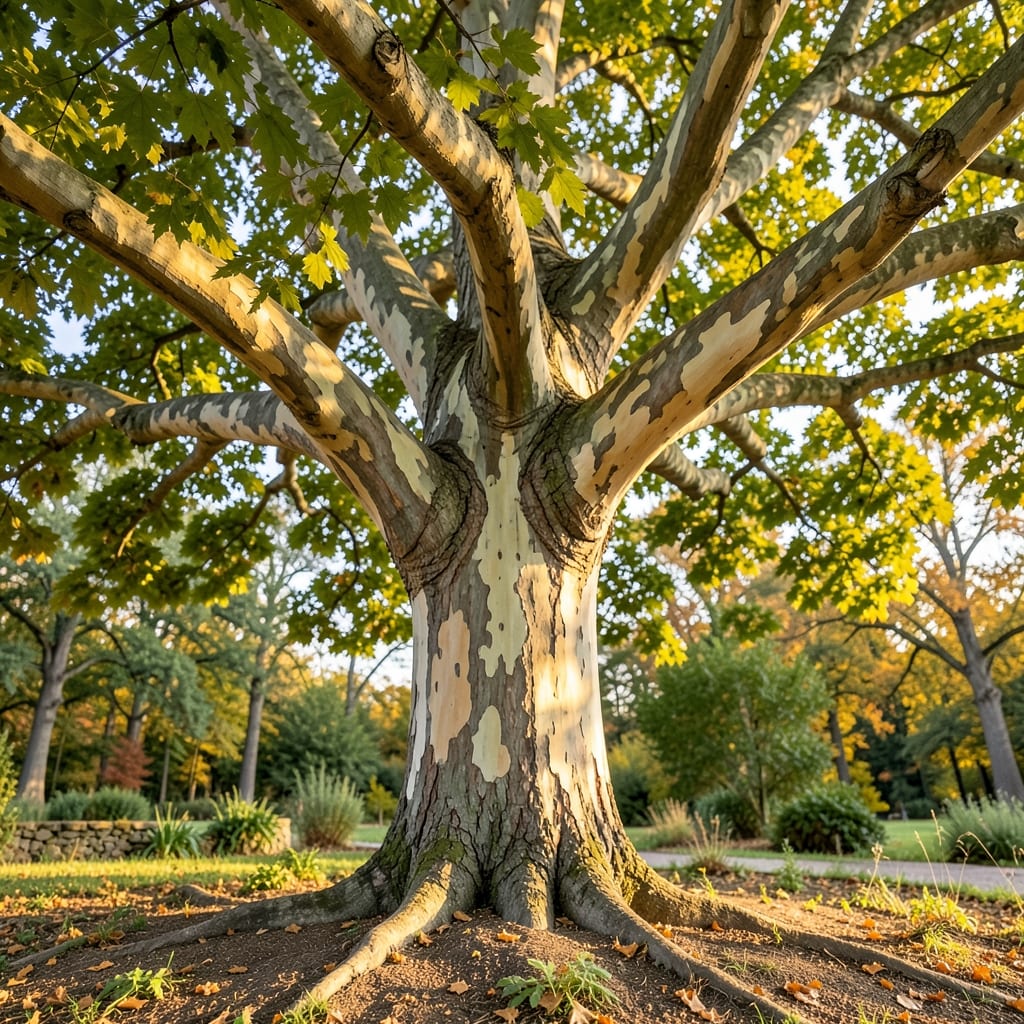
If you've ever wondered how tall a sycamore tree can grow, the answer might surprise you—these towering giants can reach heights that rival 10-story buildings or more, depending on their species and growing conditions. The sycamore tree, with its distinctive bark and sprawling branches, isn't just a stunning landscape feature; it's a botanical marvel that stretches toward the sky with remarkable speed and resilience.
For gardeners considering planting a sycamore tree, understanding its growth potential is key. While some varieties top out around 60 feet, the tallest recorded specimens can soar to 100 feet or higher, making them a long-term commitment. But what factors influence their staggering heights? From soil quality and climate to sunlight exposure, every detail plays a role in how massive these trees can become.
In this guide, you'll discover the secrets behind sycamore tree growth, including average heights, record-breaking specimens, and the timeline for reaching maturity. Whether you're dreaming of a shade-providing giant or simply curious about nature's skyscrapers, we'll break down everything you need to know. Let's explore how these trees grow—and how you can help them thrive.
Ready to learn how to nurture a sycamore tree that could one day dominate your landscape? We'll cover spacing requirements, long-term care tips, and the best conditions to maximize its height potential. With the right approach, your sycamore could become a true centerpiece for generations to come.

Sycamore tree height records: tallest specimens in the world
Sycamore trees are nature's skyscrapers, and their height potential is nothing short of breathtaking. The American sycamore (Platanus occidentalis) and London plane (Platanus × acerifolia) are the two most iconic species, both capable of reaching staggering heights that can rival urban landmarks. While most mature sycamores stand between 60 to 100 feet, some exceptional specimens have shattered these expectations, climbing toward 120 feet or more under ideal conditions.
Documented records reveal that the tallest sycamore ever measured was a London plane in London's Kew Gardens, standing at a remarkable 130 feet. This tree isn't just tall—it's a testament to the species' genetic potential when given centuries of uninterrupted growth. In the U.S., the Champion American sycamore in Missouri reaches 115 feet, with a trunk diameter exceeding 10 feet, making it a true giant among giants.
| Species | Record Height | Location |
|---|---|---|
| London Plane | 130 ft | Kew Gardens, London |
| American Sycamore | 115 ft | Missouri, USA |
| Oriental Plane | 100 ft | Japan |
| Common Sycamore | 90 ft | Southern Europe |
The London plane often outpaces its American cousin in height, thanks to its faster growth rate and adaptability to urban environments. These trees thrive in polluted city air, which explains their dominance in European landscapes. Meanwhile, the American sycamore excels in rural riverbanks, where deep, moist soil fuels its rapid ascent. Both species can live for 500+ years, giving them ample time to reach their full potential.
Regional variations play a crucial role in height differences. Sycamores in humid southern climates (like the Southeastern U.S.) tend to grow taller and faster than those in drier or colder zones. For example, a sycamore in Florida's swamps might reach 100 feet in 50 years, while one in Northern California could take 80 years to achieve the same height due to cooler temperatures and seasonal droughts.
What's equally fascinating is how trunk circumference correlates with height. The widest sycamore trunk ever recorded measured 23 feet in diameter—belonging to a 300-year-old American sycamore in Kentucky. This massive girth supports the tree's towering height, as wider trunks distribute weight more efficiently, allowing the canopy to spread wider and reach higher. Think of it as nature's skyscraper engineering at its finest.
For gardeners dreaming of planting a sycamore, it's essential to understand that height isn't the only factor. These trees develop sprawling canopies that can reach 70 to 100 feet wide, meaning they need ample horizontal space too. A sycamore planted too close to a house or power lines will eventually become a liability, not a landmark. Always check local tree ordinances and plant at least 50 feet from structures to avoid future headaches.
If you're considering a sycamore for your landscape, remember: patience is key. While these trees grow 2 to 4 feet per year in ideal conditions, reaching 100 feet will take decades. But the reward? A century-old sentinel that will outlive generations of gardeners. That's not just a tree—it's a living legacy.
🌳
Factors that influence sycamore tree growth height
When planting a sycamore tree, you might wonder why some specimens tower over 100 feet while others remain shorter. The answer lies in a mix of genetic traits and environmental conditions. Sycamores, like the American sycamore and London plane, have inherent growth potential, but their final height depends heavily on where and how they're grown.
First, consider soil quality—sycamores thrive in well-draining, fertile soil with a slightly acidic to neutral pH. Compacted or waterlogged soil stunts root development, limiting vertical growth. I’ve seen sycamores in urban areas with poor soil barely reach 50 feet compared to their 100-foot counterparts in rural settings with rich loam.
- 1. Climate Zone: Sycamores grow fastest in USDA Zones 4-9. In warmer climates like Zone 9, they may reach maximum height faster due to longer growing seasons.
- 2. Sunlight Exposure: Full sun (6+ hours daily) fuels rapid growth. Shade reduces height by 20-30%.
- 3. Water Availability: Deep watering (10-15 gallons weekly) during establishment accelerates early growth. Drought stress slows height gain by 50%.
- 4. Genetic Variety: American sycamores often surpass 100 feet, while London planes max out around 80 feet.
- 5. Pruning Practices: Over-pruning young trees can reduce mature height by 10-20 feet. Strategic pruning maintains shape without stunting growth.
- 6. Wind Exposure: High winds in open areas can stunt growth by 15-25% as trees allocate energy to structural support.
Another critical factor is competition. Sycamores planted too close to other trees or structures may grow wider instead of taller. I once measured a sycamore in a parking lot island that only reached 40 feet due to root competition from surrounding oaks. Always give sycamores at least 50 feet of space in all directions for optimal height potential.
Finally, don’t underestimate the power of seasonal growth patterns. Sycamores grow most rapidly in spring and early summer, adding 2-4 feet annually under ideal conditions. In cooler climates, growth slows significantly, extending the time to reach maturity by 10-15 years. Tracking these patterns helps predict whether your sycamore will hit 100 feet or stay shorter.
For gardeners dreaming of a towering sycamore, focus on soil prep, full sun exposure, and consistent watering. With the right conditions, you could be nurturing a future height record-holder right in your backyard! 🌳📏