
How To
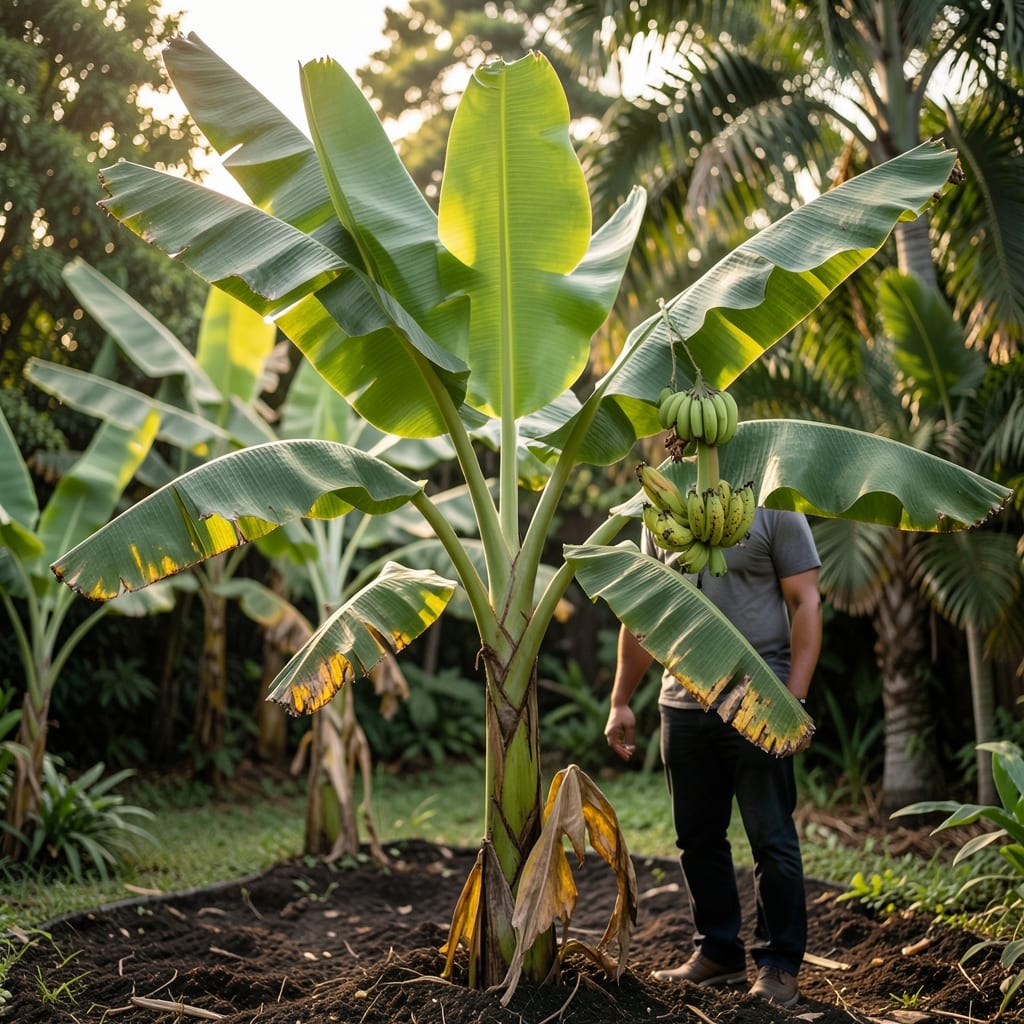
If you’ve ever wondered how tall can a banana tree grow, the answer might surprise you—some varieties stretch toward the sky like natural skyscrapers, while others stay compact enough for a backyard or even a patio. 🍌 Whether you’re dreaming of a towering tropical giant or a manageable dwarf variety, understanding the differences can help you choose the perfect plant for your space.
The height of a banana tree isn’t just about luck—it’s tied to the variety you pick. Dwarf types like the ‘Dwarf Cavendish’ max out around 10 feet, making them ideal for small gardens or containers, while commercial varieties can soar to 20–30 feet or more in the right conditions. That’s taller than a two-story house!
But here’s the catch: climate, care, and even sunlight play a huge role in how tall your banana tree becomes. In tropical zones like USDA 10–12, these trees thrive year-round, reaching their full potential. Even in cooler areas, with the right container and indoor lighting, you can still grow a manageable (or massive!) banana tree.
Ready to turn your space into a banana oasis? I’ll break down the best varieties for your needs, how to control their height, and the secrets to keeping them happy—no matter how big (or small) you want them to grow.


Banana tree height variations: dwarf to giant species explained
When you’re asking how tall can a banana tree grow, the answer depends entirely on the variety you choose. Banana trees aren’t one-size-fits-all—they range from dwarf varieties that fit cozy patios to giant commercial types that rival palm trees in height. 🍌 Understanding these differences helps you pick the perfect plant for your space, whether that’s a balcony, backyard, or tropical garden.
Most banana trees fall into three height categories: dwarf (under 10 feet), medium (10–15 feet), and giant (15–30+ feet). The variety you select isn’t just about aesthetics—it also impacts growth speed, fruit size, and even how much care they’ll need. For example, a ‘Dwarf Cavendish’ might reach maturity in just 12–18 months, while a ‘Gros Michel’ could take 2–3 years to hit its full height.
Here’s the key: climate plays a huge role. In USDA zones 10–12, banana trees grow aggressively year-round, often reaching their maximum height. But in cooler zones, even giant varieties can be managed as container plants, growing 30–50% slower without frost damage. That means a 20-foot tree in Hawaii might only hit 12 feet in a California greenhouse.
Let’s break down the most popular varieties by height, so you can visualize what to expect in your own garden:
| Variety | Mature Height | Growth Rate | Best For |
|---|---|---|---|
| Dwarf Cavendish | 6–10 ft | Fast (12–18 months) | Containers, patios, small gardens |
| Lady Finger | 10–15 ft | Moderate (18–24 months) | Backyards, tropical climates |
| Red Dacca | 15–20 ft | Slow (2–3 years) | Ornamental, large gardens |
| Gros Michel | 20–30 ft | Very fast (1–2 years) | Commercial farms, tropical zones |
| Ice Cream Banana | 8–12 ft | Moderate (15–20 months) | Small spaces, edible flowers |
If you’re growing banana trees in containers, even giant varieties can be tamed—though their height will be 20–40% shorter than in-ground plants. For example, a ‘Gros Michel’ might only reach 15 feet in a large pot instead of 25 feet. The trick? Choose a container at least 18–24 inches wide and deep and use well-draining soil to prevent root-bound stress.
One misconception is that all banana trees produce fruit—some are grown purely for their ornamental leaves, like the ‘Red Dacca’, which boasts striking red-purple foliage. These varieties still grow tall but may never bear fruit, making them perfect for landscape focal points without the maintenance of harvesting.
For small spaces, consider ‘Dwarf Cavendish’ or ‘Ice Cream Banana’. Both stay under 10 feet and thrive in 5-gallon pots, making them ideal for balconies or urban gardens. Meanwhile, if you’re in a tropical climate and want a statement piece, ‘Gros Michel’ or ‘Lady Finger’ will deliver that 30-foot skyscraper look you’re after. 🌳
Pro tip: If you’re unsure which variety to pick, start with a dwarf type—they’re forgiving for beginners and let you test your green thumb before committing to a towering giant. Plus, you’ll get fruit faster, which is always a bonus! 🍌
How fast do banana trees grow and what affects their height?
Banana trees grow at an astonishing pace—some varieties can add 3–6 feet in just one year, making them one of the fastest-growing tropical plants. 🌱 The ‘Dwarf Cavendish’, for example, might reach 6 feet in its first year, while commercial types like ‘Grand Nain’ can shoot up 10+ feet annually under ideal conditions. But don’t assume all banana trees grow equally fast; their speed depends on a mix of genetics, climate, and care.
The growth rate of a banana tree is directly tied to its variety and environment. In tropical zones like USDA 10–12, where temperatures stay warm year-round, banana trees grow continuously, sometimes producing new leaves every 2–3 weeks. Even in cooler climates, with proper container care, you can expect 2–3 feet of growth per season—though they’ll slow down or even pause during winter months.
Here’s the kicker: soil quality and sunlight are the two biggest factors in determining how tall (and how fast) your banana tree will grow. Poor, compacted soil stunts root development, while rich, well-draining soil packed with organic matter fuels rapid vertical growth. Full sun exposure (6+ hours daily) is non-negotiable—without it, your tree will stretch toward the light, becoming leggy and weak, rather than growing strong and tall.
- 🌡️ Climate: Tropical zones (USDA 10–12) allow year-round growth; cooler zones limit height due to seasonal dormancy.
- 💧 Watering: Deep, consistent watering (1–2 gallons every 2–3 days) promotes rapid vertical growth.
- ☀️ Sunlight: 6+ hours of direct sun is essential; partial shade slows growth and weakens stems.
- 🌿 Soil: Well-draining, nutrient-rich soil with high organic matter fuels faster growth.
- 🍽️ Fertilization: Balanced NPK (10-10-10) or high-potassium (8-3-9) feed encourages taller, stronger growth.
- 🌬️ Wind Exposure: Strong winds can stunt growth or snap weak stems; use stakes for support in exposed areas.
If you’re growing a banana tree in a container, its height will naturally be limited by the pot size—roots can’t expand, so vertical growth slows after 2–3 years. However, you can still coax a 10-foot dwarf variety to reach its full height with the right care. The key is to repot every 2–3 years into a larger container (at least 18–24 inches wide) to give roots room to grow.
Seasonal changes also play a role. In spring and summer, banana trees grow the fastest, with new leaves emerging every 2–4 weeks. During fall and winter, growth slows or stops in cooler climates, but the tree’s structure (including height) is already set. For indoor growers, supplementing with grow lights (12–14 hours daily) can mimic summer conditions and keep growth steady year-round.
Pro tip: If you’re aiming for a taller banana tree, focus on consistent watering, full sun, and regular feeding during the growing season. For a shorter, bushier tree, prune back the top growth occasionally to encourage lateral branching. Either way, your banana tree’s height is entirely in your hands—with the right conditions, you can grow a skyscraper of a plant or keep it compact for your space. 🌿