
Size
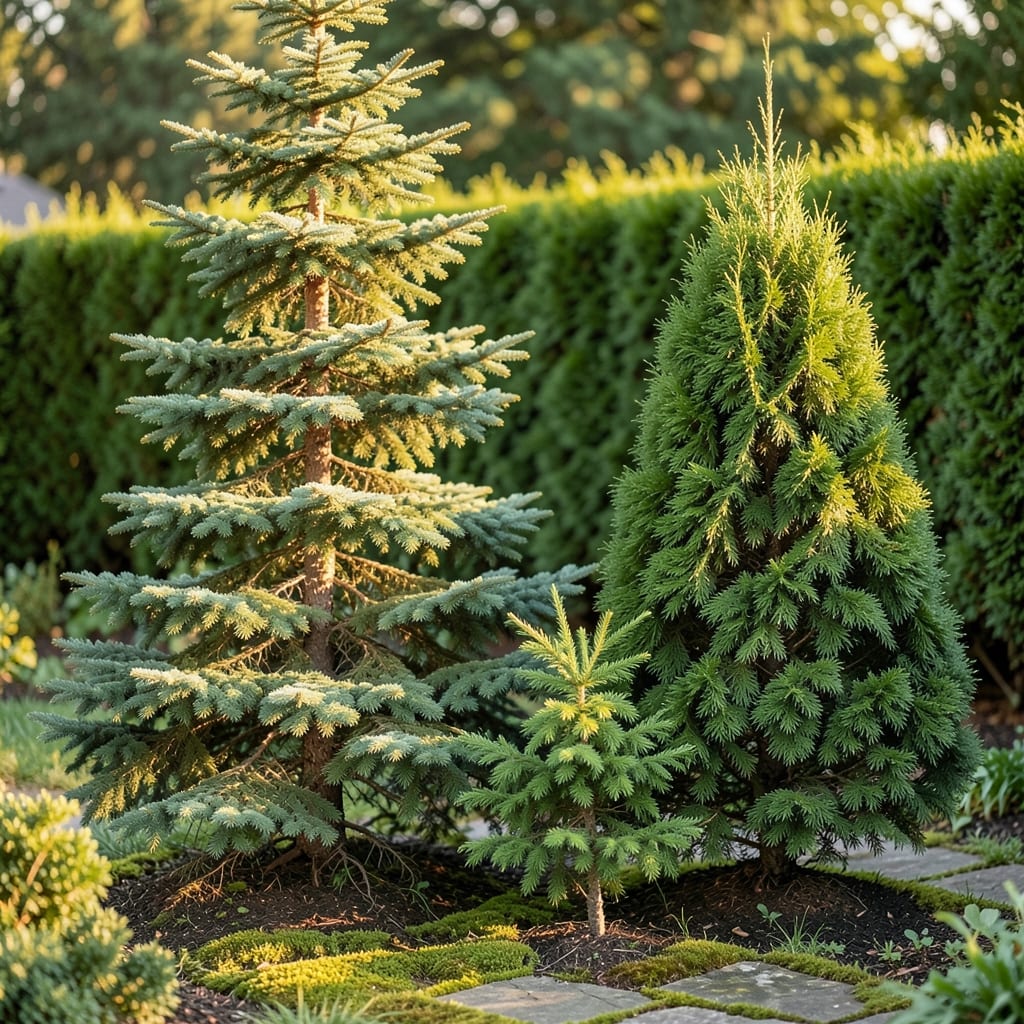
If you’re planning your landscape and wondering "how tall arborvitae grow", you’re in the right place—because these evergreens can range from compact shrubs to towering giants, depending on the variety you choose. 🌲 Whether you’re working with a cozy backyard or a sprawling property, knowing the right size matters for everything from privacy screens to foundation plantings.
The good news? Arborvitae come in all shapes and sizes, from dwarf varieties that stay under 6 feet to the mighty Green Giant, which can reach heights of 40+ feet at maturity. That means you can find the perfect fit for your space—whether you’re aiming for a low hedge or a statement-making tree.
But here’s the key: growth isn’t just about the variety. Soil quality, sunlight exposure, and even pruning habits play a huge role in how tall your arborvitae will grow. I’ll break down the best options for small yards, plus pro tips to keep your trees at your ideal height without sacrificing their beauty.
Let’s dive into the specifics so you can pick the perfect arborvitae—and make sure it stays the right size for years to come.

Arborvitae growth height by variety: compact vs. towering options
When it comes to how tall arborvitae grow, the variety you choose makes all the difference. Some stay small enough for tight spaces, while others become towering giants that need room to stretch their branches. The key is matching your yard size and privacy needs with the right cultivar.
For example, the Emerald Green arborvitae tops out at just 12-15 feet, making it ideal for narrow hedges or foundation plantings. On the other end of the spectrum, the Green Giant can soar to 40-50 feet, offering dramatic privacy for large properties. Understanding these differences helps you avoid planting a monster in a mini-yard!
🌲
| Variety | Mature Height | Width | Growth Rate | Best For |
|---|---|---|---|---|
| Dwarf Emerald | 3-5 ft | 2-3 ft | Slow (6-12" per year) | Container gardens, small hedges |
| Teddy Bear | 3-4 ft | 3-4 ft | Slow (6-12" per year) | Ground covers, rock gardens |
| Emerald Green | 12-15 ft | 4-6 ft | Moderate (12-24" per year) | Privacy screens, hedges |
| American Gold | 12-15 ft | 4-5 ft | Moderate (12-24" per year) | Color contrast, mixed borders |
| Green Giant | 40-50 ft | 12-20 ft | Fast (24-36" per year) | Large privacy screens, windbreaks |
| Star | 10-12 ft | 3-4 ft | Moderate (12-24" per year) | Tight spaces, urban gardens |
If you’re working with a small yard, focus on the dwarf varieties like Teddy Bear or Dwarf Emerald. These stay under 5 feet and grow slowly, making them perfect for containers or as accent plants near patios. For medium-sized yards, the Emerald Green or American Gold offer great privacy without overwhelming your space.
But what if you love the look of arborvitae but need something even more compact? The Star variety is a fantastic middle-ground option, reaching just 10-12 feet while still providing a lush, evergreen presence. It’s one of my go-to recommendations for gardeners with limited space but a desire for height.
For larger properties, the Green Giant is a game-changer. It grows 3-4 feet per year, so you’ll see dramatic height gains quickly. Just be sure to give it plenty of room—this isn’t a plant for tight corners! If you’re planting near a fence or property line, measure twice to ensure it won’t outgrow its welcome.
One thing to remember: soil quality and sunlight exposure can tweak these heights slightly. Arborvitae thrive in well-draining soil with 6+ hours of sun, but they’ll grow slower in shady or poor-soil conditions. If you’re in a hot climate, they may also stay a bit shorter due to stress.
🌿
Pro tip: Always check the nursery tag or plant description for exact growth rates, as some nurseries may have unique cultivars. And if you’re unsure about spacing, err on the side of giving
Pruning techniques to control arborvitae height naturally
If you’ve chosen an arborvitae variety that might outgrow your space, don’t worry—pruning is your secret weapon for controlling height naturally. The right techniques can keep your trees at your desired size without sacrificing their health or beauty. The key is timing, tools, and knowing which branches to trim. Let’s break it down so you can maintain that perfect height effortlessly.
First, the best time to prune is late winter or early spring, just before new growth begins. This gives your arborvitae time to recover before summer heat sets in. Avoid pruning in late summer or fall, as this can stimulate tender new growth that won’t harden off before winter. For dwarf varieties, a light trim once a year is usually enough, while taller varieties like Green Giant may need more frequent attention.
🌿
-
Step 1: Gather the Right Tools
Use sharp, clean pruners (bypass pruners work best) and hand pruners for smaller branches. Disinfect your tools with rubbing alcohol to prevent spreading disease. -
Step 2: Identify Branches to Trim
Focus on inner branches that crowd the center or grow upward. Remove dead or diseased branches first—these can harm the tree’s health. -
Step 3: Cut at the Right Angle
Make cuts just above a bud or side branch, angled slightly away from the bud. Avoid leaving stubs, which can attract pests or disease. -
Step 4: Shape Gradually
For hedge-like shapes, trim the outer edges evenly. For tree-like forms, remove lower branches to create a natural taper. -
Step 5: Clean Up and Monitor
Remove all clippings and dispose of them properly. Monitor your tree for new growth and adjust future pruning as needed.
One common mistake is over-pruning, which can stress the tree and leave it vulnerable to pests. Never remove more than 25-30% of the foliage in a single session. If you’re unsure, start with a light trim and observe how your arborvitae responds before committing to heavier cuts. For young trees, focus on shaping rather than drastic height reduction.
For taller varieties like Green Giant, you can use a technique called topping to control height, but this should be done sparingly. Instead, opt for selective pruning of the uppermost branches to slow vertical growth without sacrificing the tree’s natural form. If you’re dealing with a very mature arborvitae, consider hiring a professional arborist to avoid damaging the tree.
Pro tip: If your arborvitae is growing too fast, reduce watering slightly in the summer. Overwatering can encourage rapid growth, which may lead to weaker branches. Pair this with well-draining soil and moderate fertilization (like a balanced 10-10-10 mix in early spring) to keep growth steady and manageable.
🪴