
How To
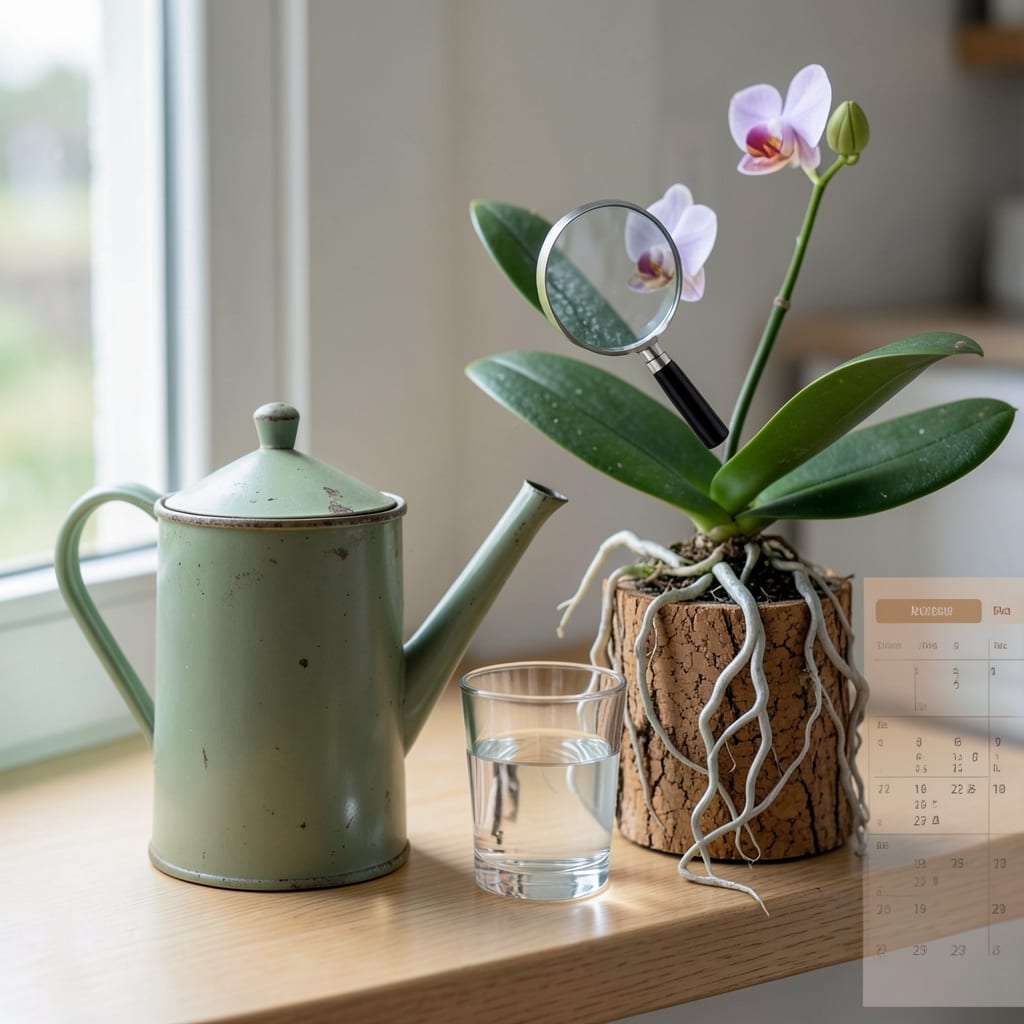
Mastering how often to water mounted orchids is the difference between a thriving 🌸 and a struggling one—because these delicate plants refuse to follow the rules. Unlike their potted cousins, mounted orchids rely on airflow and moisture balance, making guesswork a fast track to root rot or wilting.
I’ve watched countless orchid lovers overwater out of fear, then panic when their plants show signs of distress. The truth? There’s a science to it, and once you understand the key factors—like humidity, season, and even your home’s airflow—you’ll never second-guess your watering schedule again.
In this guide, I’ll break down the exact weekly routine for each season, teach you how to test moisture without damaging your mount, and reveal the subtle signs that scream, “I’m thirsty!” or “Back off!”—so you can keep your orchid happy year-round.
No more guesswork, no more dead roots. Just a clear, foolproof system that works for beginners and orchid enthusiasts alike. Let’s get started.
The ideal watering frequency for mounted orchids by season
Mounted orchids are finicky about water—too much and their roots suffocate, too little and they shrivel. The key is adapting your watering schedule to the season and your local climate. Unlike potted orchids, mounted varieties rely on their bark or cork substrate to absorb and release moisture slowly, making consistency critical.
Your orchid’s watering needs shift dramatically between summer’s heat and winter’s dry air. For example, a Phalaenopsis mounted on bark might need daily misting in July but only biweekly soaks in January. Let’s break down the exact weekly watering frequency for each season, including how to adjust for humidity and airflow.
🌱 PRO TIP: Always water in the morning (before 10 AM) to allow excess moisture to evaporate during the day. Nighttime watering traps dampness, inviting root rot.
| Season | Watering Frequency | Method | Environmental Notes |
|---|---|---|---|
| Spring (Mar-May) | Every 5-7 days | Soak until water runs out bottom, then let dry 24-48 hours | Increasing humidity; roots wake from dormancy |
| Summer (Jun-Aug) | Every 3-5 days (or daily misting) | Light morning misting + occasional soak | High heat = faster evaporation; increase airflow |
| Fall (Sep-Nov) | Every 7-10 days | Soak until saturated, then dry 3-4 days | Cooler temps slow drying; reduce frequency |
| Winter (Dec-Feb) | Every 10-14 days | Light spray or bottom soak only | Low humidity; avoid wetting leaves to prevent frost |
In spring, your orchid’s roots are revving up for growth, so aim for 5-7 day intervals. Use a bottom-soak method: Place the mount in a tray of water for 10-15 minutes until the bark is fully saturated. Drain immediately to prevent soggy roots—never let it sit in water.
During summer, mounted orchids mimic their natural epiphytic habitat by thriving on frequent, light hydration. Switch to daily misting with a spray bottle (1-2 seconds per side) if your home stays below 70% humidity. For Dendrobium varieties, increase airflow with a small fan to mimic tropical breezes.
Fall signals a shift toward dormancy. Reduce watering to every 7-10 days and let the mount dry completely between sessions. Check for wrinkled roots—a sign it’s time to hydrate. If your home has forced-air heating, increase frequency to combat dryness.
Winter is the most critical season for mounted orchids. Overwatering in dry indoor air is a common killer. Cut back to biweekly watering and avoid wetting the leaves, which can lead to cold damage. If your orchid is Phalaenopsis, it may need weekly misting to survive low humidity.
Pro tip: Group your mounted orchids by type. For example, Cattleya orchids need more frequent watering than Paphiopedilum, which prefers drier conditions. Always research your specific variety’s native habitat—epiphytic orchids (like Vanda) thrive with daily misting, while lithophytic types (like Dendrobium) tolerate drier mounts.
💧 KEY ADJUSTMENT: If your home has humidity below 40%, increase watering by 2-3 days in summer and 1 day in winter. Use a hygrometer ($10 on Amazon) to track levels near your orchids.
The ideal watering frequency for mounted orchids by season
Mounted orchids rely on their air-mounted roots to absorb moisture, so their watering needs shift dramatically with the seasons. Unlike potted orchids, they can’t hold excess water, making precision key. I’ve grown mounted orchids for years, and I’ve learned that humidity, temperature, and airflow are the real drivers of your watering schedule—not just the calendar.
For example, my Phalaenopsis orchids mounted on cork slabs need daily misting in summer but only biweekly soaks in winter. The trick is adjusting based on your local climate and indoor conditions. Let’s break down the exact weekly schedule for each season to keep your orchids thriving.
| Season | Frequency | Method | Key Factors |
|---|---|---|---|
| Spring | Every 5-7 days | Light misting + weekly soak | Increasing humidity, new growth |
| Summer | Every 3-5 days | Daily misting + 2x weekly soak | High heat, low humidity |
| Fall | Every 7-10 days | Weekly soak + occasional mist | Cooling temps, reduced growth |
| Winter | Every 10-14 days | Biweekly soak only | Dormancy, dry indoor air |
Notice how summer demands frequent misting while winter requires minimal intervention? This isn’t just about temperature—it’s about relative humidity. In my dry-climate home, I use a humidifier near my orchids during winter to stretch watering intervals safely. If you live in a humid area, you might reduce summer watering slightly.
Another critical factor is airflow. Mounted orchids need circulation to dry quickly, so placing them near fans (but not direct drafts) helps prevent rot. I position mine under a gentle oscillating fan during summer to mimic their natural tropical habitat. Poor airflow can turn a "safe" watering schedule into a death sentence.
For blooming orchids, like my Cattleya hybrids, I increase summer watering slightly to support flower spikes. The rule is simple: water when the roots start shrinking (a sign of thirst) but never let them sit wet. Overwatering is the #1 killer of mounted orchids—even more than underwatering.
Pro tip: Use rainwater or distilled water to avoid mineral buildup from tap water. I collect rainwater in a glass jar on my balcony and use it exclusively for my orchids. The difference in root health after just a month is staggering.