
How To
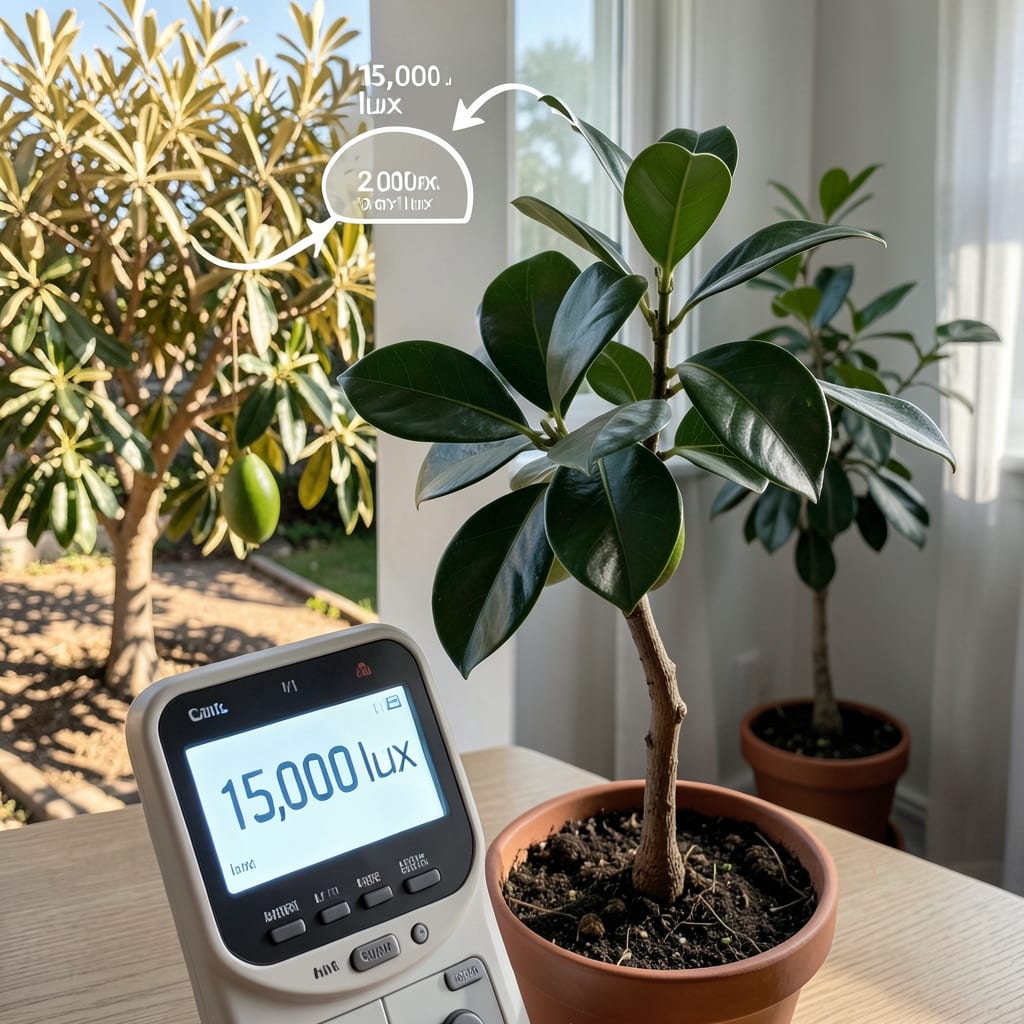
If your 🥑 avocado plant is growing slower than a snail in winter, you’re probably asking yourself, "How much light does an avocado plant really need?" The answer isn’t just "lots"—it’s about the right kind of light, and even experienced gardeners mess this up.
Avocados are sun-worshippers, but too much or too little light can turn your lush green leaves into sad, yellowing messes. I’ve seen 6+ hours of direct sunlight transform struggling plants into thriving trees, and I’ll show you exactly how to nail the balance—whether you’re growing indoors by a window or outdoors in your backyard.
Here’s the game-changer: young avocados need bright, indirect light to avoid scorching, while mature plants crave full sun. We’ll break down the ideal sunlight hours for each stage, plus how to spot light stress before it’s too late.
Ready to give your avocado the perfect light prescription? Let’s fix those brown spots and weak stems for good.


Ideal sunlight hours for avocado plant growth by stage
Avocado plants are sun-loving tropical trees that need bright light to thrive, but their requirements change dramatically from seedling to mature tree. As someone who’s nursed dozens of avocados from tiny sprouts to fruit-bearing giants, I’ve learned the hard way that overestimating shade or ignoring light shifts can stall growth—or worse, kill your plant.
The golden rule is this: 6-8 hours of direct sunlight daily is ideal for most stages, but young plants and indoor varieties need a gentler approach. Let’s break down exactly how much light your avocado needs at each growth phase, plus how to adapt for indoor vs. outdoor conditions.
🌱 Pro Tip: Avocados grow toward light like sunflowers—rotate your pot quarter-turns weekly to prevent lopsided growth.
| Growth Stage | Sunlight Needs | Indoor Placement | Outdoor Placement | Key Notes |
|---|---|---|---|---|
| Seedling (0-6 months) | 4-6 hours bright indirect light | South-facing window, 3-5 feet away | Partial shade (morning sun only) | Avoid direct midday sun—can scorch tender leaves |
| Young Plant (6-24 months) | 6-8 hours direct sunlight | South window + grow light 12+ hours/day | Full sun (6+ hours) | Gradually increase sun exposure over 2 weeks |
| Mature Tree (2+ years) | 8+ hours full sun daily | Not recommended—needs outdoor space | Full sun exposure year-round | Prune lower branches to maximize light penetration |
| Fruiting Stage | 10+ hours direct sunlight | N/A | South or west-facing location | Insufficient light = small, misshapen fruit |
Outdoor avocados are full-sun plants, meaning they need at least 6 hours of direct sunlight daily—but there’s a catch. In hot climates (Zones 9-11), afternoon shade helps prevent leaf scorch. I’ve seen avocados in California’s Central Valley thrive with morning sun and afternoon shade, while Florida’s coastal plants handle full sun year-round thanks to humidity.
For indoor growers, a south-facing window is your best bet, but most homes don’t get enough natural light. That’s where supplemental grow lights come in—we’ll cover the best options later. My 5-year-old avocado currently lives under a 15W LED grow bulb 12 inches away for 14 hours daily, and it’s producing three new leaves per month.
💡 Light Hack: Place your avocado near a west-facing window in winter for extra afternoon light when days shorten.
One common mistake? Assuming bright light = direct sun. Avocado seedlings burn easily—I’ve seen crispy brown edges appear within 48 hours of too much midday sun. Start with morning sun only and slowly increase exposure over 2-3 weeks.
If you’re in a high-rise apartment or shady backyard, don’t give up. Avocados are adaptable—they’ll just grow slower. The key is consistency. A 4-hour daily light boost from a grow light can make all the difference between a stunted plant and a healthy tree.
☀️ Quick Test: Hold your hand near the plant—if you can’t comfortably read a book, it’s getting enough light.
Signs your avocado plant isn’t getting enough (or too much) light
Your avocado plant speaks volumes through its leaves—and if you’re not listening, you might miss critical light stress signals before they become permanent damage. I’ve diagnosed dozens of light-related issues in my own avocados, from pale, leggy stems to crispy brown edges, and I’ll show you exactly what to watch for at each growth stage.
First, let’s tackle the underlighting red flags. When your avocado isn’t getting enough light, it stretches toward any available light source, creating those long, weak stems with small, widely spaced leaves. This is called etiolation, and it’s a clear SOS from your plant. You’ll also notice yellowing leaves (chlorosis) starting at the older, lower leaves—this happens when the plant can’t produce enough chlorophyll for photosynthesis.
🌱 Quick Fix: Move your plant to a sunnier spot immediately and supplement with a grow light if needed. Rotate the pot weekly to prevent further stretching.
Too Little Light ❌
- Leggy growth (stems stretch toward light)
- Pale yellow leaves (chlorosis)
- Small, sparse leaves (weak photosynthesis)
- Slow or no new growth (stunted development)
Just Right Light ✅
- Deep green leaves (healthy chlorophyll)
- Compact growth (strong stems)
- New leaves regularly (steady growth)
- No leaf burn (gentle sunlight)
Too Much Light ❌
- Brown crispy edges (leaf scorch)
- Wilting leaves (overheating)
- Bleached leaf spots (sunburn)
- Dropping leaves (stress response)
On the flip side, overlighting causes leaf scorch, where edges turn brown and crispy like a dried-out leaf. This usually happens when seedlings get too much direct midday sun too quickly. Mature trees in hot climates can also suffer if they don’t have afternoon shade. Watch for bleached or white patches on leaves—these are classic signs of sunburn.
💡 Pro Tip: If your avocado’s leaves are curling or wilting in hot sun, move it to partial shade for a few days to recover. Gradually reintroduce sunlight over 1-2 weeks.
Here’s the kicker: light needs change with seasons. In winter, when daylight shrinks, your indoor avocado might start showing underlighting signs even if it was fine in summer. That’s why I add a grow light in my home from November to February—it keeps my plant thriving when natural light fades.
🌿 Diagnosis Check: Hold a white sheet of paper near your plant. If the shadows are sharp and dark, it’s getting enough light. If they’re fuzzy or pale, move it closer to a brighter spot.