
Companion Plants
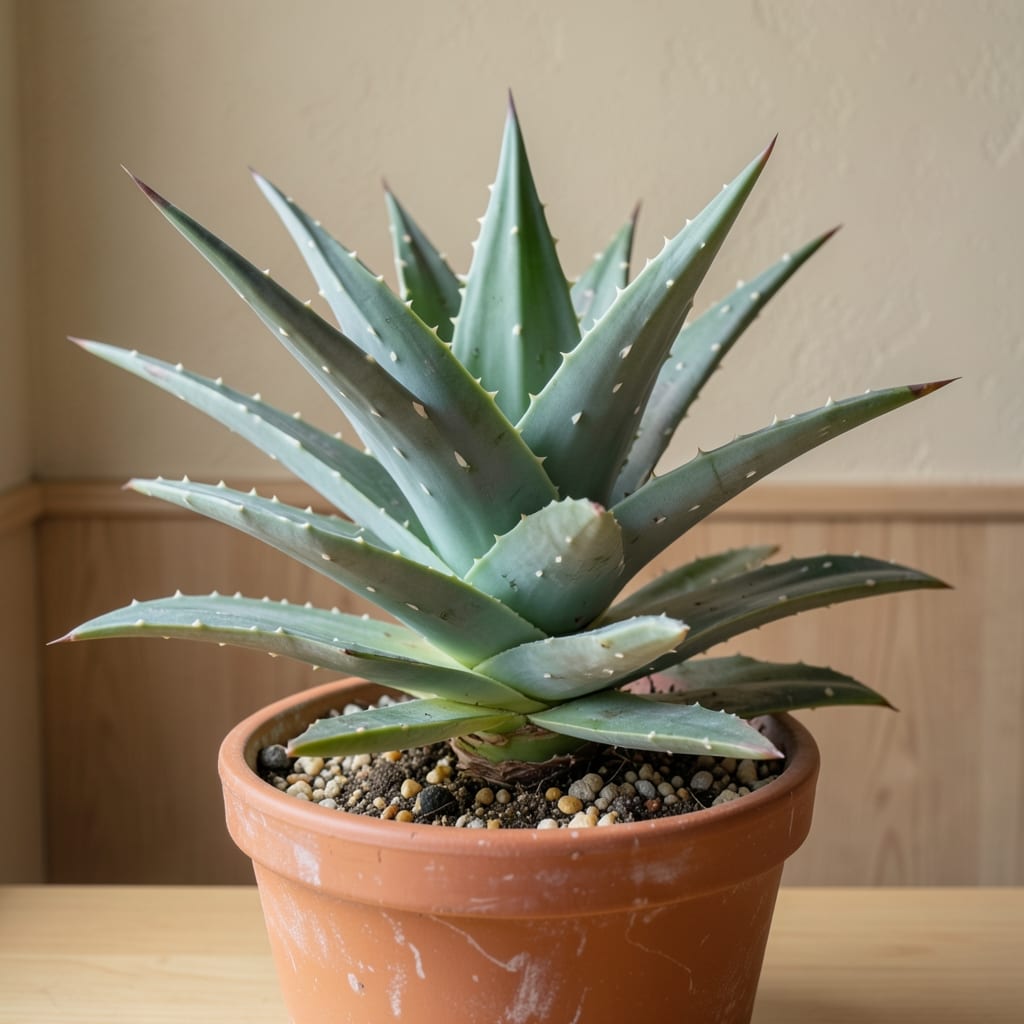
If your aloe plant 🌱 is struggling to thrive, the answer might be simpler than you think—how much light does an aloe plant need? Surprisingly, it’s not about endless sunbathing but finding that perfect balance of bright, direct light for 6 hours daily. Too little, and it stretches awkwardly; too much, and it burns. Let’s uncover the exact light conditions your aloe craves to stay lush and healthy.
Most aloe plants love basking in full sun to partial shade, making them perfect for sunny windowsills or outdoor spots. But here’s the catch: indoor aloes often need a little help, especially if your home lacks natural light. Whether you’re dealing with a leggy plant reaching for the sky or crispy edges from too much heat, we’ll break down the signs and solutions so you can adjust care instantly.
Outdoor aloes in USDA Zone 6a can handle the spring sun, but even they need protection during peak afternoon heat. Meanwhile, indoor growers might rely on south-facing windows or artificial grow lights. We’ll cover everything from seasonal tweaks to regional adjustments—so your aloe stays happy year-round, whether it’s potted on your kitchen counter or planted in your garden.
Ready to transform your aloe’s growth? By the end, you’ll know exactly where to place it, how to spot light issues, and even how light needs shift as your plant matures. Let’s get your aloe glowing with health—no guesswork required!

Optimal sunlight requirements for aloe vera growth
Aloe vera thrives in bright, direct sunlight, making it a perfect sun-loving succulent. The ideal light exposure is 6 to 8 hours of sunlight daily, but it can tolerate partial shade in extreme heat. Too little light causes leggy growth, while too much can scorch the leaves. Understanding these needs is key to keeping your aloe healthy and vibrant.
Outdoors, aloe plants perform best in full sun conditions, especially in USDA Zones 8-11. If you’re in a cooler climate, like Zone 6-7, place your aloe in a south-facing spot where it gets morning sun and afternoon shade. This balance prevents sunburn while ensuring enough energy for growth.
Indoors, the best location is near a south-facing window, where it can receive bright indirect light for most of the day. If your home has low natural light, supplement with a grow light for 12-14 hours daily. Avoid placing aloe near north-facing windows, as these offer the least sunlight.
| Light Condition | Daily Sunlight Needs | Best For |
|---|---|---|
| Full Sun | 6-8 hours | Outdoor pots, south-facing windows |
| Partial Shade | 3-4 hours | Indoor east/west windows, high heat areas |
| Low Light | <2 hours | North-facing windows (supplement with grow lights) |
Young aloe plants are more sensitive to light than mature ones. Start them in bright indirect light and gradually introduce direct sunlight over 2-3 weeks to avoid sun shock. Mature aloe plants can handle intense midday sun, but always monitor for leaf discoloration or soft spots, which signal stress.
Seasonal adjustments are crucial. In summer months, provide afternoon shade to prevent leaf burn. During winter, aloe can tolerate shorter daylight hours, but keep it near a sunny window to maintain health. If your aloe starts stretching toward the light, it’s a clear sign it needs more bright exposure.
For container-grown aloe, rotate the pot quarter-turns every 2 weeks to ensure even light exposure on all sides. This prevents uneven growth and keeps the plant compact and symmetrical. If you notice yellowing leaves or weak stems, it’s often a sign of insufficient light or overwatering.
In regions with high UV index (like Arizona or Florida), use a light shade cloth (30-50% coverage) to filter harsh rays while still allowing plenty of bright light. This protects the leaves from bleaching or crisping while maintaining optimal growth conditions.
Remember, aloe vera is a desert plant, so it’s naturally adapted to bright, dry conditions. Mimic its native habitat by providing plenty of light and minimal water. When light levels are just right, your aloe will reward you with thick, plump leaves and vibrant green color.
Best light solutions for indoor vs. outdoor aloe plants
Aloe plants thrive in bright, direct sunlight, but their needs shift dramatically between indoor and outdoor environments. In my experience, outdoor aloe plants bask in 6+ hours of unfiltered sunlight, while indoor plants often struggle with weaker light. The key is adapting their placement—whether that’s rotating pots for even growth or supplementing with grow lights.
For indoor aloe care, south-facing windows are ideal because they provide the strongest, most consistent light. If your home lacks natural sunlight, a LED grow light on a timer (12-14 hours daily) mimics outdoor conditions perfectly. I’ve seen aloe plants revive within weeks after adding artificial light—even in north-facing apartments.
Outdoor aloe plants love morning sun paired with afternoon shade in hot climates to prevent sunburn on leaves. Use shade cloth (30-50%) if temperatures exceed 90°F. I once grew aloe in full desert sun without shade, and while it survived, the leaves turned yellow at the tips—a sign of stress.
Young aloe plants are more sensitive to light than mature ones. If you’re growing baby aloe from offsets, start them in bright indirect light and gradually introduce direct sun over 2-3 weeks. I once lost a young aloe to sudden full sun—its leaves turned white and crispy within days. Always harden them slowly!
For container gardening, choose pots with drainage holes to prevent root rot, and place them where they’ll get consistent light exposure. On my balcony, I position aloe near the railing where they catch morning and late-afternoon sun. This balance keeps them happy year-round without burning.
Remember: aloe plants are drought-tolerant but not heat-tolerant. If your aloe’s leaves start curling or turning brown, it’s often a sign of too much direct sun, not thirst. Adjust their light exposure immediately—your aloe will thank you with plump, vibrant leaves.