
Companion Plants
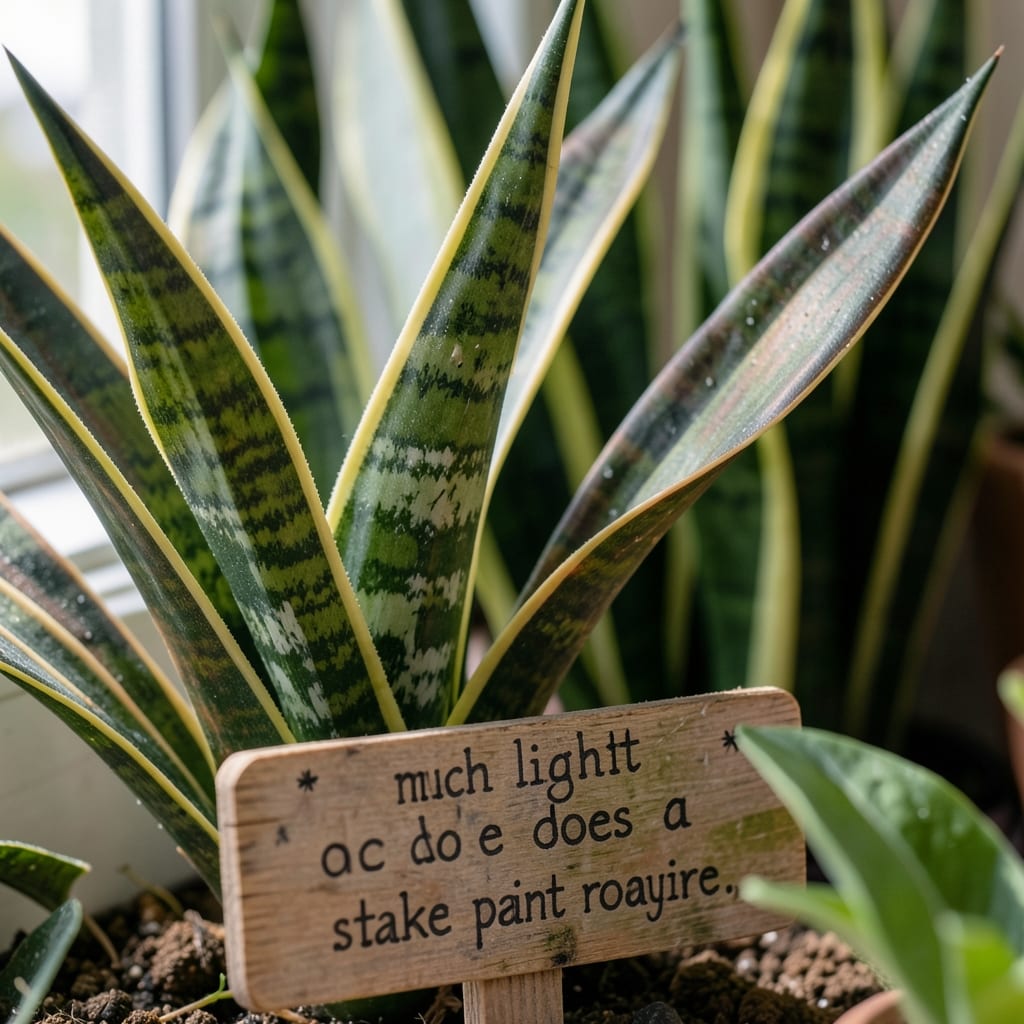
Ideal light requirements for snake plants: balancing sunlight for Optimal growth
Snake plants (Sansevieria) are famously low-maintenance, but their light requirements are the foundation of their health. These hardy plants thrive on bright, indirect sunlight for 6 hours daily, making them perfect for busy households or offices. Unlike sun-loving plants, snake plants can tolerate low-light conditions, but their growth and color intensity will suffer without enough light.
While they can survive in artificial lighting or dim corners, the ideal scenario is a spot with filtered sunlight. Think of it like a gentle morning sunbath—just enough to energize without scorching. Direct afternoon sun can burn the leaves, while too little light leads to stretched, weak growth. Balancing these extremes is key to keeping your snake plant lush and vibrant.
| Light Condition | Daily Light Hours | Growth Impact | Best For |
|---|---|---|---|
| Low Light (<5,000 lux) | 2-4 hours | Slow growth, pale leaves, stretched stems | Offices, bathrooms, basements |
| Medium Light (5,000-10,000 lux) | 4-6 hours | Healthy growth, vibrant green leaves | North-facing windows, indoor living spaces |
| Bright Indirect (10,000-15,000 lux) | 6-8 hours | Optimal growth, rich color, compact leaves | East/west-facing windows, under sheer curtains |
| Direct Sun (>15,000 lux) | >8 hours | Leaf burn, crispy edges, yellowing | South-facing windows (afternoon), outdoors |
In low-light conditions, your snake plant will survive but may develop long, leggy stems as it stretches toward any available light. This is called etiolation, and while it won’t kill the plant, it’s a sign it’s not thriving. For the best results, aim for medium to bright indirect light, which keeps the leaves thick, upright, and vibrant green.
If you’re placing your snake plant outdoors, morning sun is ideal, while afternoon sun should be avoided unless the plant is acclimated gradually. A south-facing patio with afternoon shade works well, while a north-facing garden provides gentle, consistent light all day. Just remember: snake plants are adaptable, but they’ll always reward you with healthier growth when given the right light.
For indoor growers, LED grow lights can supplement natural light, especially in winter. A 12-hour photoperiod (12 hours of light, 12 hours of darkness) mimics natural daylight cycles and encourages steady growth. Position the light 6-12 inches above the plant to avoid leaf burn, and adjust the height as the plant grows.
One common misconception is that snake plants can thrive in complete darkness. While they’re more tolerant than most plants, prolonged darkness leads to weak, pale growth and increased susceptibility to pests. Even a small window or grow light can make a world of difference in keeping your snake plant happy and healthy.
Pro tip: Rotate your snake plant every 4-6 weeks to ensure even light exposure on all sides. This prevents one side from becoming lighter or darker than the others, keeping the foliage symmetrical and balanced. It’s a simple trick that makes a noticeable difference in the plant’s appearance over time.
Outdoor snake plants in USDA Zone 6a (like mine in early spring) can handle direct morning sun once temperatures rise above 50°F. However, if you’re in a hotter climate, provide afternoon shade to prevent leaf scorch. The key is observing your plant’s reaction—if the leaves start turning yellow or brown, it’s getting too much sun.
Finally, remember that light needs adjust with seasons. In winter, when daylight is shorter, your snake plant may need a grow light supplement to maintain its health. Conversely, in summer, you might need to move it away from intense sunlight to prevent damage. Flexibility is the secret to keeping your snake plant thriving year-round.
Ideal light requirements for snake plants: balancing sunlight for Optimal growth
Snake plants (Sansevieria) are famously low-maintenance, but their light requirements are the foundation of their health. Unlike sun-loving succulents, they thrive in bright indirect light, making them perfect for indoor spaces. Aim for 6 hours of filtered sunlight daily—this mimics their natural habitat under forest canopies.
Direct sunlight can scorch their leaves, while too little light leads to stretched, leggy growth. The key is finding that sweet spot: medium to bright indirect light ensures vibrant foliage and slow, steady growth. Even offices with fluorescent lighting can work if supplemented with a grow light for 12 hours daily.
Here’s how snake plants respond to different light levels:
| Light Condition | Growth Impact | Ideal Placement |
|---|---|---|
| Low Light (<2 hours) | Slow growth, pale leaves, stretched stems | North-facing windows, dim corners |
| Medium Light (2-4 hours) | Healthy, compact growth, dark green leaves | East/west-facing windows, 3-5 feet from south windows |
| Bright Indirect (4-6 hours) | Optimal growth, thick leaves, vibrant color | Filtered sunlight near windows with sheer curtains |
| Direct Sun (>6 hours) | Brown tips, crispy edges, sunburn | Avoid south-facing windows without shade |
Outdoors, snake plants adapt well to partial shade in gardens, especially in hot climates. They can handle morning sun but should be protected from intense afternoon rays. If growing outside, place them under dappled shade from trees or on a patio with afternoon shade.
Pro tip: Rotate your snake plant quarter-turns every 2-3 months to ensure even light exposure. This prevents lopsided growth and keeps leaves uniformly green. Even in low-light conditions, they’ll survive—but their growth rate and leaf vibrancy will suffer without adequate light.
For indoor growers, a south-facing window with sheer curtains is ideal. If your space lacks natural light, a LED grow light (12-14 hours/day) can mimic sunlight perfectly. Just avoid placing them in dark closets or basements—they’ll stretch and weaken over time.
Remember: snake plants are resilient, but light is non-negotiable for their best appearance. Even a single window can work if positioned correctly—just avoid placing them in deep shade where they’ll struggle to photosynthesize efficiently.