
Light Requirements
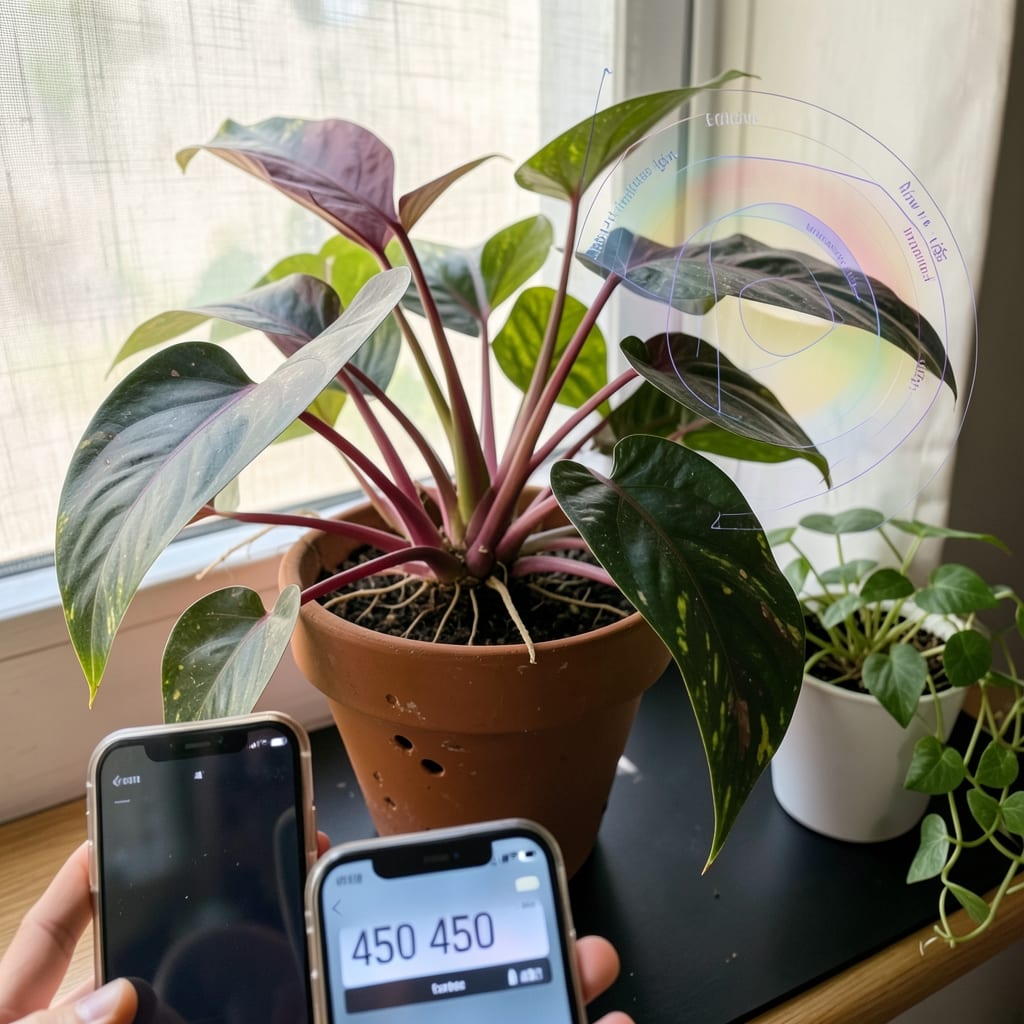
Wondering how much light does a philodendron plant need to thrive? The answer might be simpler than you think—it’s all about getting the light just right. Too much sun turns leaves crispy, while too little makes your plant stretch awkwardly toward the window. The good news? Philodendrons are forgiving, but they do need bright indirect light to stay happy and healthy.
Whether you’re dealing with a leggy heartleaf or a struggling climbing variety, understanding their light needs is the key to lush, vibrant growth. I’ll break down exactly how much light your Philodendron needs—from the ideal spots in your home to what to watch for when things go wrong.
You don’t need fancy equipment or a sunroom to nail this. With a few simple adjustments, you can transform your plant’s health in just a few weeks. Ready to discover the perfect balance? Let’s get started.
From east-facing windows to DIY light filters, I’ll show you how to create the ideal environment for your Philodendron—no guesswork required. Your plant will thank you with bigger, brighter leaves and stronger growth.

Philodendron light requirements: ideal spectrum for healthy growth
Philodendrons thrive on bright indirect light, making them perfect for homes with limited direct sunlight. Unlike sun-loving plants, these tropical beauties hate harsh rays that can scorch their leaves. Think of them as the Goldilocks of houseplants—not too dark, not too bright, but just right.
The ideal light range for philodendrons falls between 1,000 to 3,000 foot-candles. This translates to 4-6 hours of filtered light daily, like what you’d find near an east or north-facing window. South-facing windows can work, but only if you filter the light with sheer curtains or a sheer.
Most philodendron varieties—like the popular heartleaf and Brasil—adapt well to low-light conditions, but they won’t reach their full potential without enough brightness. If your plant starts looking leggy or sparse, it’s a clear sign it’s craving more light. On the flip side, yellowing or crispy leaves mean it’s getting too much direct sun.
Philodendron varieties have slightly different light needs, but none tolerate direct sunlight. For example, the Xanadu variety is more forgiving in low light, while climbing philodendrons like the Brasil need slightly brighter conditions to showcase their vibrant foliage.
Understanding your philodendron’s light preferences starts with observing its natural growth patterns. In their native tropical habitats, these plants grow under the dappled shade of forest canopies, where sunlight is diffused. Recreating this environment indoors is key to keeping your plant thriving.
If you’re unsure whether your space is too dim, try this simple test: Hold your hand near the plant. If you can’t see your shadow clearly, the light is likely too low. Conversely, if the leaves feel warm to the touch, it’s getting too much direct sun.
Now, let’s dive into the specifics. The table below breaks down the ideal light conditions for different philodendron varieties, along with what to watch for if things go wrong.
The science behind indirect light is fascinating. Philodendrons evolved to thrive under the filtering canopy of tropical forests, where sunlight is scattered by leaves and branches. Direct sunlight can overwhelm their delicate foliage, leading to sunburn and stress. Instead, they prefer soft, diffused light that gently penetrates their leaves.
If your philodendron starts showing signs of light stress, don’t panic. Adjusting its position or adding a sheer curtain can make a world of difference. For example, moving a leggy plant closer to a window with filtered light can encourage bushier growth in just a few weeks. Conversely, if leaves are yellowing or crispy, it’s time to move it further away from the window or add a light-blocking screen.
Remember, the goal is to mimic the natural conditions of their tropical homeland. With the right light, your philodendron will reward you with glossy, vibrant leaves and robust growth. Next, we’ll explore how to adjust light levels for specific varieties and rooms in your home.
How to adjust light levels for different philodendron varieties
Not all philodendrons are created equal when it comes to light. While they all prefer bright indirect light, some varieties—like the Philodendron Brasil—thrive in slightly brighter conditions, while others, such as the Xanadu, tolerate lower light better. Understanding these differences is the secret to keeping your plant happy and lush. For example, a heartleaf philodendron might struggle in a dim corner, while a climbing variety could stretch awkwardly if placed too far from a window.
Your home’s layout plays a huge role in where you place your philodendron. A bathroom with a north-facing window might work perfectly for a low-light tolerant variety like Xanadu, while a living room with a south-facing window could be ideal for a Brasil if you use sheer curtains to filter the light. The key is to match the variety to the space, not the other way around.
If you’re unsure about your home’s light levels, try this quick test: Place your hand near the plant. If you can’t see your shadow clearly, the light is too dim. If your hand feels warm, the light is too intense. For most philodendrons, the perfect spot is about 2-3 feet away from an east or north-facing window. South-facing windows? Use a sheer curtain to diffuse the light and prevent scorching.
DIY light filters are a game-changer for indoor growers. A simple white or sheer curtain can reduce harsh sunlight by up to 50%, creating the ideal dappled light philodendrons love. For rooms with no natural light, a grow light on a timer (12-14 hours a day) can mimic sunlight and keep your plant thriving. Just avoid LED bulbs that emit too much heat, as philodendrons are sensitive to temperature fluctuations.
Let’s talk about room-by-room solutions. In a kitchen, near a north-facing window, a heartleaf philodendron will thrive with minimal adjustments. In a bedroom, where light is often softer, a Xanadu can handle the lower light levels without issue. For offices or basements with limited natural light, a grow light or rotating the plant to face different directions can help ensure even growth.
Here’s how different philodendron varieties stack up in various light conditions. The table below compares their needs, so you can pick the perfect match for your home’s lighting.
Pro tip: If your philodendron starts looking leggy or sparse, it’s time to rotate it every few weeks. This ensures even growth and prevents the plant from stretching toward one light source. For climbing varieties, a moss pole or trellis near a bright, indirect light spot will encourage healthy vining and lush foliage.
Remember, philodendrons are forgiving, but they do need the right conditions to thrive. With these adjustments, you’ll see bigger, brighter leaves and a happier plant in no time. Next, we’ll cover how to spot signs of light stress and fix common issues before they become serious.