
Companion Plants
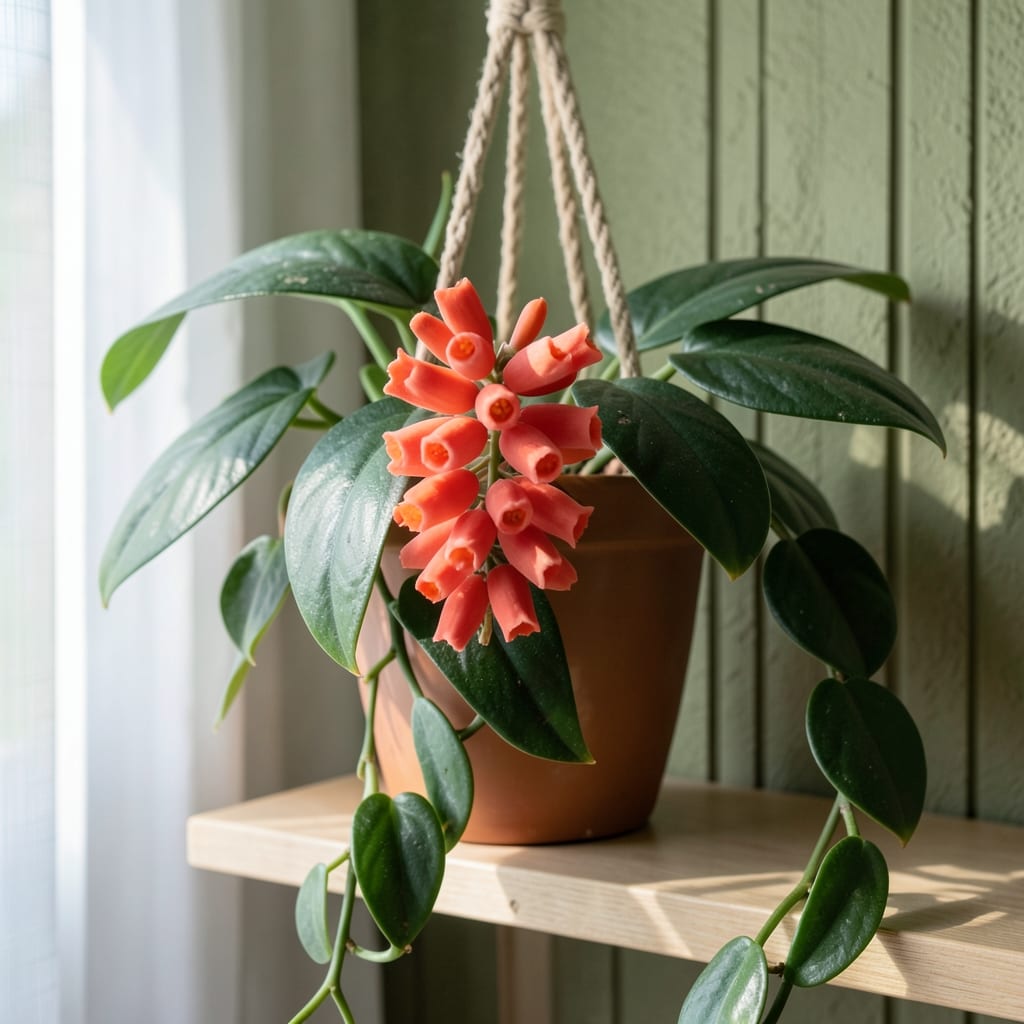
If you’re wondering how much light does a lipstick plant need, you’re not alone—this plant thrives on bright indirect light, but too much direct sun can fry its delicate leaves. The secret to keeping those vibrant red blooms popping isn’t guesswork; it’s about finding the sweet spot between 4-6 hours of filtered light and avoiding harsh afternoon rays.
Picture this: your Lipstick Plant perched near an east-facing window, basking in gentle morning sunlight while dodging the midday heat. Too little light, and you’ll see leggy stems and sparse blooms. Too much? Crispy edges and faded foliage. The good news? With a few simple adjustments—like rotating your plant or using sheer curtains—you can create the perfect glow without turning your home into a greenhouse.
Whether you’re growing yours indoors or outdoors in USDA Zone 6, I’ll walk you through the signs of light stress (yellowing leaves, anyone?) and how to tweak your setup for year-round success. Ready to give your Lipstick Plant the ideal lighting conditions it deserves? Let’s dive in.
From low-light hacks to seasonal adjustments, you’ll learn how to keep your plant happy, blooming, and begging for more—without the guesswork. Trust me, once you master the light, your Lipstick Plant will reward you with stunning color and lush growth all season long.

Ideal light requirements for lipstick plant growth and blooming
The lipstick plant (Aeschynanthus radicans) thrives in bright indirect light, making it perfect for east-facing windows or dappled shade outdoors. This tropical beauty needs 4-6 hours of filtered sunlight daily to maintain its signature glossy leaves and vibrant red blooms. Too little light causes leggy growth, while direct afternoon sun risks leaf burn.
Position your plant 2-3 feet from an east-facing window—this mimics its natural understory habitat. In summer, move it 5-6 feet back to avoid harsh midday rays. For indoor growers, south-facing windows with sheer curtains work well, diffusing light naturally.
Seasonal adjustments are key: In winter, supplement with a grow light 12 inches away for 6 hours daily if natural light drops below 4 hours. Outdoors, morning sun exposure (before 10 AM) is ideal, while afternoon shade protects delicate foliage.
If your space lacks windows, LED grow lights (5000-6500K) placed 6-12 inches above the plant replicate ideal conditions. Rotate the plant weekly for even growth—uneven light causes lopsided stems.
Signs of perfect lighting include:
- Deep green, leathery leaves
- Frequent blooming (every 2-3 months)
- Compact, bushy growth (1-2 feet tall)
Outdoor growers should avoid full sun—dappled shade under trees is ideal. In containers, use light-colored pots to reflect extra light to the roots. For urban balconies, a 30% shade cloth during peak sun hours prevents stress.
| Light Condition | Ideal Setup | Plant Response |
|---|---|---|
| Bright Indirect | East window, 2-3 ft away | Vibrant blooms, glossy leaves |
| Direct Morning Sun | Outdoor: 6 AM-10 AM only | Healthy growth, minimal stress |
| Low Light | North window, no direct sun | Leggy stems, sparse blooms |
| Full Sun | South window, no shade | Leaf burn, wilting |
For container gardening, choose terracotta pots—they breathe better than plastic and help regulate moisture. Place pots on castor wheels to rotate them weekly, ensuring all sides receive even light exposure. In low-light offices, pair your lipstick plant with peace lilies or pothos—they share similar light needs.
Monitor your plant’s growth rate as a light indicator: Slow growth suggests insufficient light, while rapid leaf drop signals too much. Adjust gradually—sudden light changes shock the plant. Use a light meter app to track 10,000-15,000 lux for optimal conditions.
Pro tip: Mist leaves daily in low-light areas to mimic humidity levels found in bright, indirect environments. This simple trick prevents crispy leaf edges while keeping foliage lush.
Ideal light requirements for lipstick plant growth and blooming
The lipstick plant (Aeschynanthus radicans) thrives in bright indirect light, mimicking its natural understory habitat. Aim for 4-6 hours of dappled sunlight daily, especially morning rays—this prevents leaf burn while fueling vibrant blooms. A east-facing window is ideal, offering gentle morning light without harsh afternoon heat.
In outdoor gardens, place your lipstick plant under filtering shade, like a tree canopy or lattice screen. Avoid south-facing windows or direct afternoon sun, which can scorch delicate foliage and cause bleached leaf tips. Evenings with artificial grow lights (12-14 hours) can supplement winter light shortages.
🌱 Lipstick Plant Light Requirements Summary
| Condition | Specification | Seasonal Adjustments |
|---|---|---|
| Indoor Light | East/west window, 2-3 ft away | Winter: Supplement with grow lights |
| Outdoor Light | 4-6 hrs dappled sun | Summer: Provide afternoon shade |
| Minimum Tolerance | Low light (no direct sun) | Reduces blooming; use artificial light |
| Maximum Tolerance | 2 hrs direct morning sun | Avoid afternoon sun; watch for leaf burn |
Notice yellowing leaves or stretched stems? Your plant craves more light. Rotate it quarter-turns weekly to ensure even exposure. For indoor setups, place near a bright bathroom or hallway window—just avoid drafts. In outdoor containers, move to a shadier spot if leaves develop crispy edges.
Seasonal shifts matter! During winter months, reduce light exposure by 30%** to prevent stress. In summer, increase humidity near your plant to compensate for drier air and higher light intensity. A simple pebble tray with water nearby can boost moisture levels without overwatering.
Pro tip: Mist leaves daily in low-light conditions to mimic tropical humidity. Pair your lipstick plant with low-light companions like peperomia or pothos to create a microclimate. These plants share similar light needs, making care easier and more effective.
Remember, consistency is key. Sudden light changes can shock your plant, leading to dropped buds or wilting foliage. Gradually adjust placement over 1-2 weeks for best results. With the right light balance, your lipstick plant will reward you with year-round blooms and lush growth.