
Plants
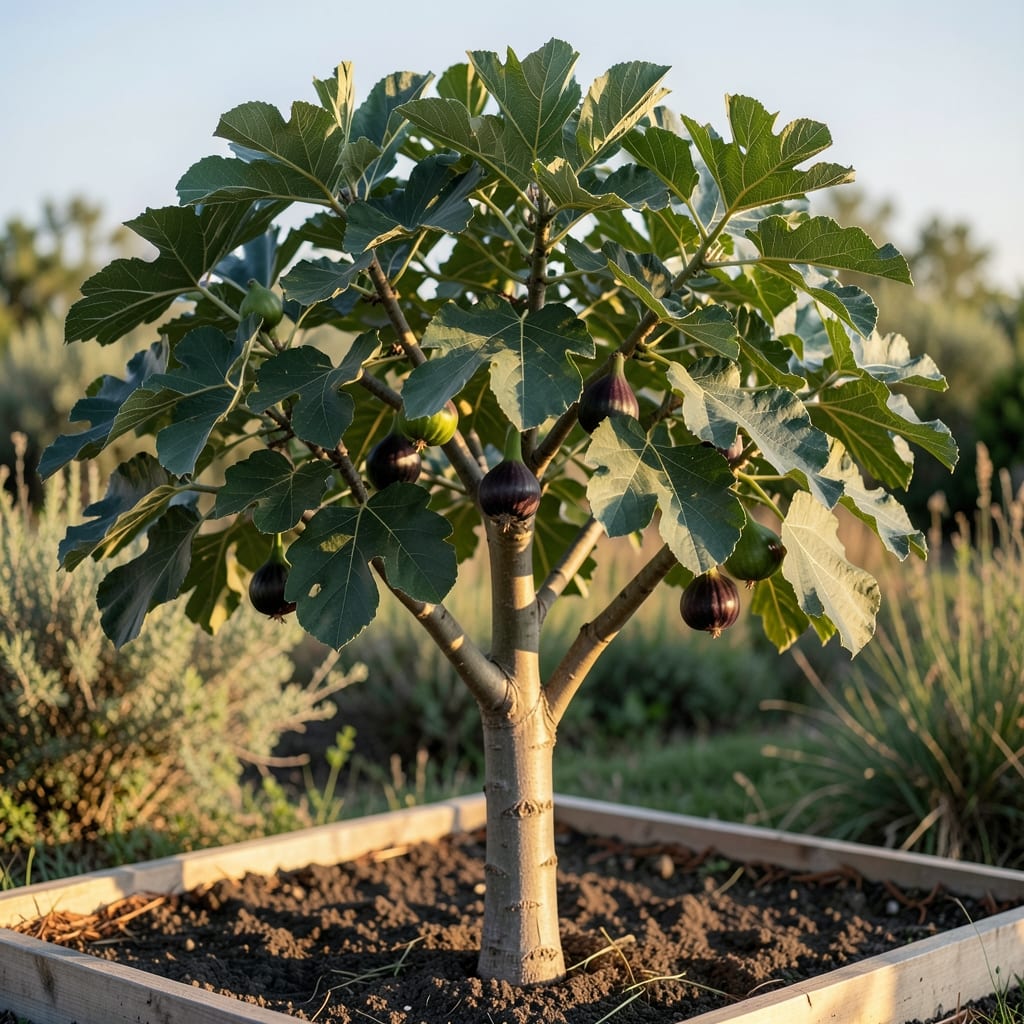
How much light does a fig plant need? It thrives with 6–8 hours of sunlight daily—but how much is too much, and how do you adjust when your climate doesn’t cooperate? Whether you're growing a towering outdoor tree or a potted 🍈 indoors, getting the light balance right is the secret to lush leaves and sweet fruit.
Most fig varieties thrive in full sun, but some—like the shade-tolerant Celestial—can handle partial light. The difference between abundant harvests and stubborn leaves often comes down to understanding your plant’s specific needs. I’ll break down the exact light requirements for 10+ common figs, plus how to troubleshoot common light-related problems.
Ever noticed your fig’s leaves turning yellow or its fruit staying tiny? Those are classic signs of light stress—and fixing them is easier than you think. We’ll cover seasonal adjustments, indoor growing hacks, and even how to supplement light with grow bulbs for urban gardeners.
By the end, you’ll know exactly how to position your fig—whether in a sunny backyard or a living room window—to get the perfect balance for healthy growth and juicy fruit. Let’s make sure your 🍈 gets the light it craves!


Fig plant sunlight requirements by variety: exact hours for fruit production
Fig plants are sun worshippers—most varieties need 6 to 8 hours of direct sunlight daily to produce fruit and grow vigorously. But not all figs are created equal: some thrive in harsh desert sun, while others prefer gentle afternoon shade. The key is matching your variety to your climate and growing conditions.
For outdoor figs, full sun exposure (6+ hours) triggers flowering and fruit set, but too much intense afternoon sun can scorch leaves in hot climates. Indoor figs, meanwhile, often struggle with low light, leading to leggy growth and sparse fruit. Let’s break down the exact light needs for 10+ popular fig varieties.
Here’s the critical insight: light requirements change by variety. A desert-hardy fig like Brown Turkey can handle 10+ hours of sun, while Celestial figs tolerate 4–6 hours of partial shade. Knowing your fig’s category—common, Smyrna, or San Pedro—helps tailor your approach.
🌱
If you’re growing figs outdoors, morning sun is your best friend. Position your tree to catch east-facing sunlight first, which is less intense than afternoon rays. In hot climates like Arizona or California, provide afternoon shade (using a shade cloth or nearby structure) to prevent leaf burn.
For indoor figs, south-facing windows are ideal, but most homes don’t get enough natural light. Supplement with a full-spectrum LED grow bulb (10,000–12,000 Kelvin) placed 6–12 inches above the plant for 12–14 hours daily. Avoid fluorescent bulbs—they’re too weak for figs.
Pro tip: Rotate your indoor fig quarter-turns weekly to ensure even light exposure. Uneven growth (long, leggy stems) is a sure sign your plant is stretching for light. Adjust its position immediately to prevent permanent damage.
🌿
Now, let’s talk about the critical growth stages where light makes or breaks your harvest. Figs need intense light for flowering—typically in late spring—followed by consistent sunlight for
Signs your fig tree isn’t getting enough (or too much) light
Yellowing leaves, stunted growth, or tiny figs? These are classic signs your fig tree isn’t getting the right amount of light. Too little sunlight causes weak stems and poor fruit development, while excessive light can scorch leaves and reduce yield. The key is recognizing the symptoms early so you can adjust before your plant suffers.
Start by checking your fig’s leaves. Pale or yellowing leaves with sparse growth mean it’s craving more sunlight. Conversely, brown, crispy leaf edges or a sunburnt appearance signal too much direct light. Both extremes stress your plant, but the fixes are simple once you know what to look for.
🌱 Here’s how to diagnose light issues:
- Leggy stems with large gaps between leaves = not enough light
- Small, pale leaves = insufficient sunlight
- Curling or wilting leaves in hot afternoons = too much direct sun
- Fruit dropping prematurely = light stress
Seasonal changes can also trick your fig. In northern climates, shorter summer days might not provide enough light, while southern climates can overwhelm plants with intense afternoon sun. If your fig is outdoors, watch for afternoon shade needs
Indoor figs often suffer from low-light windows. If your plant is near an east-facing window, it might get morning sun only, leaving it light-deprived by afternoon. Move it to a south-facing window or supplement with a grow light for 12–14 hours daily to mimic outdoor conditions. 💡 Pro tip: Rotate your potted fig quarter-turn weekly to ensure even light exposure. This prevents one side from stretching toward the window while the other stays weak. For outdoor figs, prune lower branches to improve airflow and sunlight penetration to the center. If you’re unsure whether your fig is getting enough light, try this quick test: Place your hand near the plant during peak sun hours. If the air feels cool and dim (like a shady spot), your fig needs more sunlight. If it’s hot and direct, it might need afternoon shade, especially in summer.