
Trees
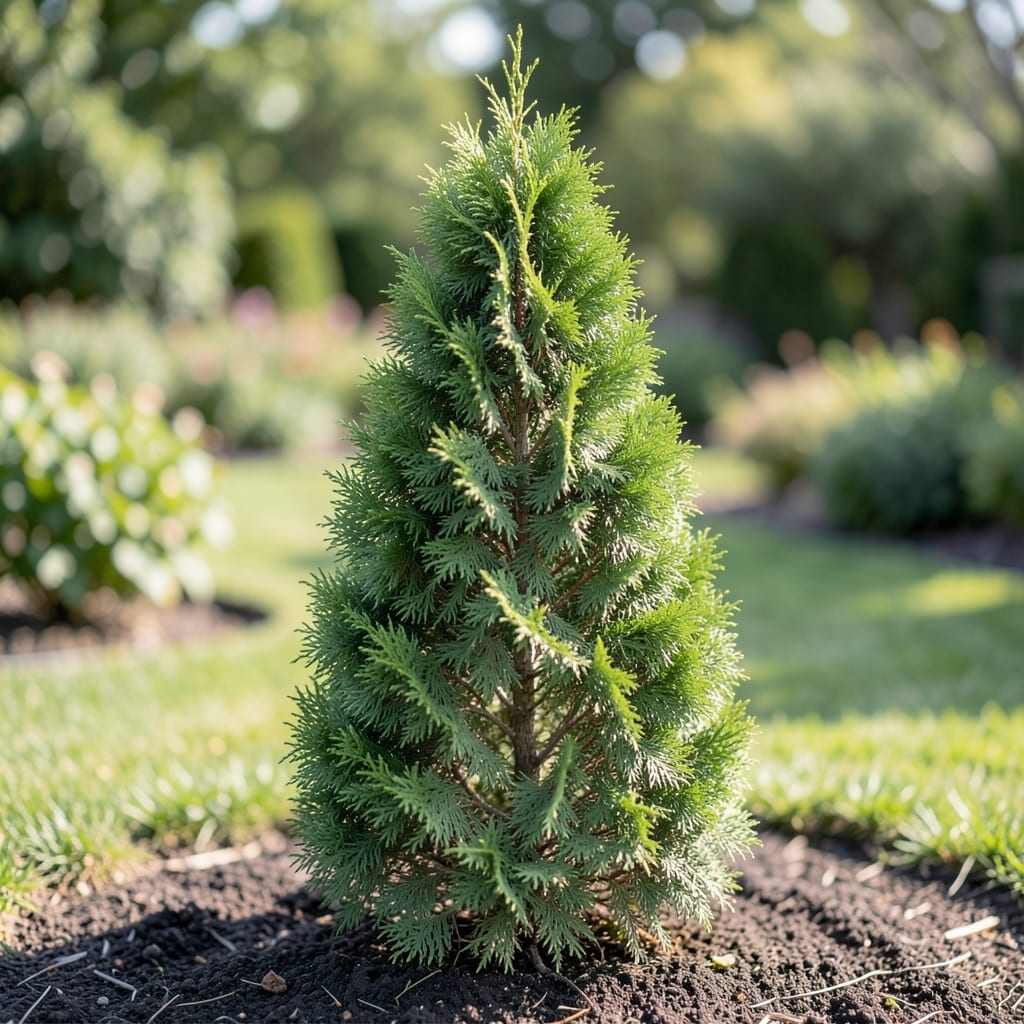
Emerald Green Arborvitae mature height: exact dimensions by variety and location
If you're planning your landscape with Emerald Green Arborvitae, knowing its mature height is key to avoiding overcrowding or underwhelming results. This evergreen typically reaches 12–15 feet tall at maturity, with a spread of 3–4 feet, making it ideal for privacy screens or foundation plantings.
The standard Emerald Green grows taller than most homeowners expect—often surpassing 15 feet in optimal conditions. However, dwarf varieties like 'Emerald Green Compact' stay under 3–4 feet, perfect for smaller spaces or container gardening.
Climate plays a major role in height. In USDA Zones 3–8, these trees thrive, but cooler zones may slow growth slightly. For example, a 10-year-old tree in Zone 6 might reach 8–10 feet, while the same tree in Zone 8 could hit 12 feet.
Here’s how height compares at different stages:
- Year 1: 2–3 feet
- Year 5: 6–8 feet
- Year 10: 10–12 feet
- Mature (20+ years): 15–20 feet
| Variety | Mature Height (ft) | Spread (ft) | Growth Rate (in/yr) | Best For |
|---|---|---|---|---|
| Standard Emerald Green | 15–20 | 3–4 | 12–24 | Privacy screens, hedges |
| Emerald Green Compact | 3–4 | 2–3 | 6–12 | Containers, small gardens |
| Semi-Dwarf Varieties | 8–12 | 3–4 | 10–18 | Medium hedges, borders |
For landscape planning, space trees 3–5 feet apart if planting multiple for a hedge. This spacing ensures they fill in without competing for nutrients, which can stunt growth.
In urban settings, where space is limited, consider the Compact variety. It grows just 3 feet tall but still delivers the same vibrant emerald-green foliage and year-round interest.
Soil quality also affects height. Well-draining, slightly acidic soil (pH 6.0–7.0) promotes faster growth, while clay-heavy or waterlogged soil can reduce height by up to 30%.
If you're unsure about your tree’s growth potential, check local nurseries for region-specific data. They often have examples of mature trees in your area.
Pro tip: Use mulch around the base to retain moisture and encourage steady growth. Just avoid piling it against the trunk to prevent rot.
Emerald Green Arborvitae growth rate by year: how fast does it grow?
Your Emerald Green Arborvitae doesn’t just grow—it zooms upward with impressive speed. Under ideal conditions, expect 12–24 inches of growth per year, making it one of the fastest-growing evergreens for privacy screens or hedges.
The first 3 years are the most dramatic. A 1-year-old tree might only reach 2–3 feet, but by year 3, it can double in height to 6–8 feet. This rapid growth continues until maturity, typically 15–20 feet in 10–15 years.
However, growth slows after 10 years as the tree matures. In Zone 6, a 10-year-old tree averages 10–12 feet, while in Zone 8, it could hit 12–14 feet by the same age. Soil moisture and sunlight exposure are the biggest factors in speeding up or slowing down growth.
To maximize growth, plant in well-draining soil with 6+ hours of sunlight. Water deeply once a week during the first year, then taper to every 10–14 days once established. Avoid overwatering, which can stunt root development and slow height gains.
If your tree isn’t growing as fast as expected, check for root competition from nearby plants or poor drainage. Amending the soil with compost or a balanced fertilizer (like 10-10-10) in early spring can give it a growth boost.
For compact growth, prune lightly in late winter to shape the tree without restricting height. Just avoid heavy pruning, which can reduce growth by up to 50% in some cases.
Track your tree’s progress with a growth journal. Measure height annually and adjust care based on its pace. With the right conditions, your Emerald Green Arborvitae could reach its mature height in half the time of slower-growing evergreens.